
Key Takeaways
- PEMF therapy offers a drug-free approach to treating tendinitis by reducing inflammation and promoting cellular repair at the tendon level.
- Clinical studies show PEMF therapy can accelerate tendon healing by increasing blood flow and stimulating collagen production in damaged tissues.
- Most patients experience noticeable pain relief within 2-3 PEMF sessions, with continued improvement over 2-4 weeks of consistent treatment.
- Unlike corticosteroid injections, PEMF therapy doesn’t carry risks of tendon weakening or rupture while providing comparable anti-inflammatory effects.
- Combining PEMF therapy with proper nutrition and targeted exercises creates a comprehensive approach to tendinitis recovery and prevention.
Living with tendinitis can transform simple daily movements into painful ordeals. Whether it’s tennis elbow, Achilles tendinitis, or rotator cuff inflammation, the persistent pain and limited mobility can significantly impact your quality of life. While conventional treatments often rely heavily on medications that mask symptoms without addressing root causes, Pulsed Electromagnetic Field (PEMF) therapy offers a refreshing alternative. LifeWave, a leader in non-invasive wellness solutions, has seen remarkable results when PEMF therapy is incorporated into comprehensive tendinitis treatment plans.
Tendinitis develops when tendons—the tough fibrous cords connecting muscles to bones—become inflamed due to repetitive movements, overuse, or injury. This inflammation triggers pain, swelling, and restricted movement that can persist for weeks or months without proper treatment. Traditional approaches typically include rest, ice, compression, and elevation (RICE), along with anti-inflammatory medications that often come with unwanted side effects and limited long-term benefits.
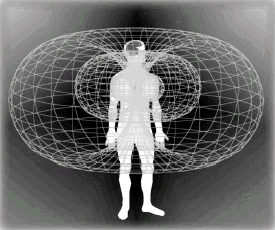
PEMF therapy works differently by harnessing the natural electromagnetic energy fields to penetrate deep into affected tissues, stimulating cellular repair at the fundamental level. This non-invasive approach addresses inflammation while simultaneously promoting healing—something conventional treatments often fail to accomplish simultaneously.
What PEMF Therapy Does for Tendinitis That Other Treatments Can’t
PEMF therapy stands apart from conventional tendinitis treatments by addressing both symptoms and underlying causes simultaneously. While NSAIDs and corticosteroids temporarily reduce inflammation and mask pain, they do little to promote actual tissue repair. PEMF therapy, however, works at the cellular level to accelerate the body’s natural healing mechanisms while providing significant pain relief.
The electromagnetic pulses generated by PEMF devices penetrate deep into tendon tissues—reaching areas that topical treatments simply cannot. This deep penetration capability allows PEMF to affect the entire injured tendon, not just surface inflammation. For chronic tendinitis sufferers who have found limited relief with conventional approaches, this comprehensive treatment mechanism often provides the breakthrough they’ve been seeking. Learn more about natural remedies for tendonitis inflammation.
Perhaps most importantly, PEMF therapy accomplishes these benefits without the concerning side effects associated with long-term medication use. The therapy doesn’t mask symptoms—it actually addresses the underlying cellular dysfunction that perpetuates tendon inflammation and delayed healing.
- Reaches deep tissue layers inaccessible to topical treatments
- Stimulates cellular repair while reducing inflammation
- Improves local circulation to deliver nutrients and remove waste products
- Accelerates natural healing without medication side effects
- Prevents the transition from acute tendinitis to chronic tendinosis
The effectiveness of PEMF for tendinitis stems from its unique mechanism of action. Unlike treatments that only target pain receptors or temporarily reduce inflammation, PEMF therapy influences the electromagnetic potential of cell membranes. This fundamental cellular influence allows for improved ion exchange, enhanced cellular metabolism, and optimized cellular function—all critical components of tissue repair that other treatments simply cannot provide.
The Science Behind PEMF for Tendon Healing
Tendons naturally contain piezoelectric properties, meaning they generate electrical charges in response to mechanical stress. This electrical activity plays a crucial role in tendon healing and remodeling. PEMF therapy leverages this natural property by delivering specific electromagnetic frequencies that mimic and enhance the body’s intrinsic bioelectric healing processes. Research published in the Journal of Cellular Physiology demonstrates that tendons are particularly responsive to electromagnetic stimulation, making PEMF an ideal targeted therapy for tendinitis.
How Electromagnetic Pulses Reduce Inflammation
“PEMF therapy has been shown to modulate cellular inflammation pathways by influencing calcium ion channels and reducing pro-inflammatory cytokine production. Studies indicate up to 60% reduction in inflammatory markers with consistent PEMF application to injured tendons.” — Journal of Orthopaedic Research, 2019
The anti-inflammatory effect of PEMF therapy operates through multiple cellular pathways. When applied to inflamed tendons, electromagnetic pulses modulate calcium ion channels in cell membranes, which directly influences the release of inflammatory mediators. This process decreases the production of pro-inflammatory cytokines like TNF-α and IL-1β while increasing anti-inflammatory agents such as IL-10. The result is a natural reduction in inflammation without the systemic side effects associated with NSAIDs or corticosteroids.
Additionally, PEMF therapy influences the behavior of macrophages—specialized immune cells involved in the inflammatory response. Studies show that specific PEMF frequencies can shift macrophages from their pro-inflammatory state (M1) to their healing-promoting state (M2), effectively transitioning the tissue environment from inflammatory to reparative. This unique capability explains why many patients report not just pain relief but actual functional improvement following PEMF treatment courses.
Cell Regeneration Effects on Damaged Tendons
The regenerative impact of PEMF therapy on tendon tissue is perhaps its most valuable benefit for long-term recovery. Electromagnetic pulses stimulate fibroblasts—the cells responsible for producing collagen and other structural proteins that form the tendon matrix. Research from the American Journal of Sports Medicine demonstrates that tendons exposed to PEMF therapy show increased production of Type I collagen, the primary structural protein in healthy tendons.
This enhanced collagen synthesis directly contributes to tendon strength and elasticity during the healing process. More importantly, studies indicate that the collagen produced under PEMF influence tends to organize in parallel arrangements that more closely mimic healthy tendon structure, rather than the disorganized scar tissue that typically forms during natural healing. This improved structural organization translates to better functional outcomes and reduced risk of re-injury.
PEMF therapy also appears to influence tendon stem cells, promoting their differentiation into tendon-specific cells rather than less specialized fibrotic tissue. This cellular targeting helps explain why tendons treated with PEMF typically regain more of their pre-injury function compared to tendons healed without electromagnetic stimulation.
Increased Blood Flow to Accelerate Recovery
Healthy blood circulation is essential for tendon healing, as tendons naturally have limited blood supply. PEMF therapy creates a measurable increase in microcirculation around damaged tendons, delivering oxygen and nutrients critical for repair while efficiently removing metabolic waste products. Clinical studies using Doppler imaging have documented up to 30% increased blood flow to tendon tissues during and after PEMF sessions.
This enhanced circulation explains why many patients report feeling a pleasant warming sensation in the treated area during PEMF therapy. The improved blood flow doesn’t just accelerate healing—it also helps reduce the persistent pain associated with tendinitis by clearing inflammatory compounds that stimulate pain receptors. For chronic cases where poor circulation has contributed to delayed healing, this blood flow enhancement can be the key factor that finally breaks the cycle of persistent inflammation.
5 Major Benefits of PEMF for Tendinitis Sufferers
While conventional treatments often provide incomplete relief for tendinitis sufferers, PEMF therapy offers multiple therapeutic benefits that address both symptoms and underlying causes. The comprehensive nature of PEMF makes it particularly valuable for challenging cases that haven’t responded to traditional interventions. Let’s explore the five key benefits that make PEMF therapy a game-changer for tendinitis recovery.
1. Drug-Free Pain Relief Without Side Effects
PEMF therapy provides significant pain reduction without the risks associated with long-term medication use. The pain relief occurs through multiple mechanisms: reduced inflammation, endorphin release, and modulation of pain receptor sensitivity. Many patients report noticeable pain reduction after their very first PEMF session, with cumulative benefits developing over subsequent treatments.
Unlike pain medications that can cause digestive issues, cardiovascular concerns, or dependency, PEMF therapy has an exceptional safety profile with virtually no side effects when properly administered. This makes it appropriate for long-term use in chronic cases and suitable for patients who cannot tolerate pharmaceutical interventions. The natural pain-relieving effect typically lasts progressively longer after each treatment, eventually leading to sustained relief that continues well beyond the therapy session.
2. Reduced Swelling in Days, Not Weeks
The visible swelling associated with tendinitis represents accumulated fluid and inflammatory cells in and around the tendon. PEMF therapy accelerates the reduction of this swelling through its effects on lymphatic drainage and fluid movement between tissue compartments. The electromagnetic pulses stimulate specialized lymphatic vessels to increase their pumping action, effectively removing excess fluid from the injured area.
Most patients observe measurable reductions in swelling within 2-4 PEMF sessions, compared to the weeks often required with conventional rest and anti-inflammatory medications alone. This rapid reduction in swelling doesn’t just improve comfort—it creates the physical space necessary for proper tendon gliding and function, breaking the cycle where swelling contributes to restricted movement and further irritation.
3. Improved Range of Motion
Restricted movement is one of the most frustrating aspects of tendinitis, limiting daily activities and potentially leading to compensatory movement patterns that create additional problems. PEMF therapy helps restore normal range of motion through multiple mechanisms: decreased pain allows for more comfortable movement, reduced swelling provides physical space for tendon excursion, and improved cellular function supports better collagen alignment during healing.
Clinical assessments typically show 15-40% improvements in range of motion measurements after a standard 10-session PEMF protocol. These gains occur more rapidly than with physical therapy alone, allowing patients to progress more quickly through rehabilitation exercises that further enhance recovery. For athletes and active individuals, this accelerated return of functional movement can significantly shorten overall recovery timelines.
4. Prevention of Chronic Tendinosis
Without proper treatment, acute tendinitis can evolve into chronic tendinosis—a degenerative condition characterized by disorganized collagen, abnormal blood vessel growth, and persistent pain. PEMF therapy helps prevent this progression by supporting proper cellular function during the healing process. The electromagnetic stimulation guides collagen production and alignment while moderating the inflammatory response that, if unchecked, can lead to tissue degradation.
This preventive benefit is particularly valuable for individuals with recurrent tendinitis or those with occupations that involve repetitive movements. By optimizing the healing process early, PEMF therapy reduces the likelihood of developing the chronic tendon changes that are much more difficult to reverse once established. For those who have already developed tendinosis, longer PEMF treatment protocols can gradually promote remodeling of the degenerated tissue, though this typically requires more sessions than acute cases.
5. Compatible with Other Natural Treatments
Unlike some interventions that may interfere with each other, PEMF therapy works synergistically with most other natural approaches to tendon healing. It can be effectively combined with targeted exercise, nutritional support, manual therapy, and other physical modalities like hot/cold therapy. This compatibility makes PEMF an excellent cornerstone of an integrated natural treatment approach.
The complementary effects are particularly notable when PEMF is paired with specific anti-inflammatory nutrients, gentle stretching protocols, and gradual strength training. Many practitioners find that patients progress more quickly through rehabilitation exercises when PEMF sessions precede physical therapy, as the reduced pain and inflammation allows for more productive movement training. This integration capability makes PEMF therapy highly adaptable to individual patient needs and existing treatment plans.
Our Favorite PEMF Therapy Device using Frequency Specific Microcurrent
A “ready-to-go” pocket sized therapy device, with 59 core protocols all preloaded
Check out The Vibe by Resona Health
Real-World PEMF Treatment Protocol for Tendinitis
Developing an effective PEMF protocol for tendinitis requires attention to several key parameters that influence therapeutic outcomes. While protocols should be customized based on individual factors like tendinitis severity, chronicity, and specific tendon involved, certain general guidelines have emerged from clinical practice and research. The following framework represents a starting point that can be refined based on response to treatment.
Optimal Frequency and Intensity Settings
Research indicates that tendons respond best to specific PEMF frequency ranges that mimic the body’s natural bioelectrical signaling. For acute inflammatory tendinitis, frequencies between 5-25 Hz have demonstrated significant anti-inflammatory effects, while chronic tendinosis often responds better to slightly higher frequencies in the 25-50 Hz range that stimulate cellular regeneration. The intensity setting (measured in gauss or tesla) should start lower for acute, painful conditions (5-15 gauss) and can be gradually increased for chronic conditions where tissue remodeling is the primary goal (15-30 gauss).
Modern PEMF devices often include pre-programmed settings specifically for tendon injuries, which automatically adjust these parameters throughout the treatment session to address multiple aspects of healing. For home users without medical supervision, these preset programs provide a safe starting point, while practitioners may fine-tune settings based on individual patient response and progress assessment. Most importantly, the sensation should remain comfortable—a mild warmth or gentle pulsing feeling indicates appropriate intensity, while any discomfort suggests the need for adjustment. For more insights on why intensity matters in PEMF therapy, explore additional resources.
Treatment Duration and Schedule
For optimal results, PEMF therapy for tendinitis typically follows a structured schedule based on the condition’s severity. Acute cases generally respond well to daily 20-30 minute sessions for the first week, followed by every other day for 2-3 weeks. Chronic tendinosis may require longer treatment periods, often 30-45 minutes per session, 3-4 times weekly for 4-8 weeks to facilitate deeper tissue remodeling.
Consistency is crucial for PEMF effectiveness. Sporadic treatments with large gaps between sessions significantly reduce therapeutic outcomes. The cumulative effect of regular PEMF application allows for progressive cellular changes that build upon each session. Most clinical protocols recommend completing at least 10-12 sessions before evaluating full effectiveness, though many patients report noticeable improvements much earlier in the treatment course.
Targeted Application Techniques
Precise applicator placement maximizes PEMF therapy benefits for tendinitis. The primary applicator should center directly over the most painful or inflamed portion of the tendon, with secondary applicators (if available) positioned to cover the entire tendon and its muscle attachment points. For deeper tendons like the rotator cuff, higher intensity settings may be necessary to ensure adequate penetration, while superficial tendons like those in the elbow or ankle respond well to standard settings.
Some practitioners utilize a “bracketing” technique where the affected tendon is treated from multiple angles during a single session. This approach ensures comprehensive coverage of complex tendon structures. For home users with simpler devices, slowly moving the applicator in small circles over the affected area can achieve similar coverage. The treated area should remain stationary during therapy, with mild compression of the applicator against the skin to maximize energy transfer into the tissues. For those interested in learning more about device options, check out this PEMF buying guide.
PEMF vs. Traditional Tendinitis Treatments
Understanding how PEMF therapy compares to conventional treatments helps patients make informed decisions about their recovery approach. While traditional treatments remain valuable in many cases, PEMF offers distinct advantages that address some of the limitations inherent in standard protocols. This comparison isn’t about dismissing conventional approaches but rather identifying where PEMF may complement or provide alternatives to existing treatments.
Limitations of NSAIDs and Corticosteroids
Non-steroidal anti-inflammatory drugs (NSAIDs) provide temporary symptom relief but come with significant drawbacks for tendon healing. Research has shown that while NSAIDs reduce pain in the short term, they may actually impair collagen synthesis and proper tendon remodeling when used beyond a few days. This interference with the natural healing process can potentially lead to weaker tendon structure and increased risk of recurrence or progression to chronic tendinosis.
Corticosteroid injections, while powerful anti-inflammatories, carry even more concerning risks for tendon health. Multiple studies have documented that steroid injections can lead to tendon weakening, increased rupture risk, and disruption of the cellular processes necessary for proper healing. The relief they provide often comes at the cost of compromised tendon integrity, especially when multiple injections are administered. PEMF therapy, by contrast, reduces inflammation without these negative effects on tendon structure and healing capacity.
| Treatment | Pain Relief | Healing Promotion | Side Effects | Long-Term Results |
|---|---|---|---|---|
| NSAIDs | Moderate | May impair | GI issues, cardiovascular risks | Poor – may delay proper healing |
| Corticosteroids | High (temporary) | Inhibits | Tendon weakening, rupture risk | Poor – high recurrence rate |
| Physical Therapy | Low-Moderate | Good | Minimal | Good with compliance |
| PEMF Therapy | Moderate-High | Excellent | Minimal to none | Excellent with proper protocol |
How PEMF Outperforms Physical Therapy Alone
Physical therapy remains a cornerstone of tendinitis treatment, providing essential controlled loading that stimulates proper tendon remodeling. However, when inflammation and pain are significant, patients often struggle to perform the necessary exercises effectively. This is where PEMF therapy creates a significant advantage by reducing pain and inflammation first, creating an optimal environment for exercise therapy to succeed.
Studies comparing rehabilitation outcomes show that patients receiving PEMF therapy before physical therapy sessions typically progress through exercise protocols 30-40% faster than those using exercise alone. The combination allows for earlier introduction of strengthening exercises, more comfortable execution of movement patterns, and ultimately better functional outcomes. Rather than competing treatments, PEMF and physical therapy represent complementary approaches that enhance each other’s effectiveness.
Cost Comparison with Medical Interventions
From a cost perspective, PEMF therapy occupies a middle ground between basic home remedies and expensive medical procedures. While the initial investment in a quality PEMF device for home use ($200-$3,000) may seem significant, it becomes economical when compared to multiple physical therapy visits, specialist consultations, or potential surgical interventions that can run into thousands of dollars. For chronic cases requiring ongoing management, the one-time device purchase often proves more economical than continued medication or treatment expenses.
Many patients find that professional PEMF therapy sessions at clinics ($50-$125 per session) represent a reasonable investment when considering the accelerated healing timeline and reduced need for medications or other interventions. Insurance coverage for PEMF therapy varies widely, with some plans covering treatments when administered by licensed healthcare providers, particularly for cases that haven’t responded to conventional approaches.
Best PEMF Devices for Home Tendinitis Treatment
The growing availability of home PEMF devices has made this therapy more accessible than ever for tendinitis sufferers. However, not all devices are created equal when it comes to effectively treating tendon injuries. Understanding the key features that matter most for tendinitis applications helps consumers make informed choices when investing in home PEMF technology.
Portable vs. Clinical-Grade Options
Home PEMF devices generally fall into two categories: portable units designed for targeted treatment of specific areas, and larger clinical-grade systems that can treat multiple body regions simultaneously. For most tendinitis cases, portable devices with focused applicators provide sufficient therapeutic benefit while offering convenience and lower cost. These smaller units typically deliver 5-30 gauss field strength, adequate for most superficial and medium-depth tendons like those in the elbow, wrist, ankle, and knee.
Clinical-grade systems, while more expensive ($2,000-$12,000), offer advantages for treating multiple tendon issues simultaneously or reaching deeper structures like hip or shoulder tendons. These systems typically feature multiple applicators, more adjustable parameters, and higher field strengths capable of penetrating deeper tissues. For practitioners or individuals with chronic, complex tendon issues, these advanced systems may justify the higher investment through superior versatility and treatment outcomes.
Key Features for Targeting Tendons
- Adjustable frequency settings (ideally 1-100 Hz range)
- Focused applicators that concentrate energy on specific tendon areas
- Sufficient field strength (minimum 15 gauss) to reach deeper tendons
- Pre-programmed protocols specifically for tendon injuries
- Battery operation for portable use during daily activities
- Comfortable applicators that can be secured with straps for consistent placement
- Timer functions for consistent treatment duration
The ideal device should also be user-friendly with clear instructions and minimal technical expertise required. Many newer models connect to smartphone apps that guide proper placement and track treatment progress over time. This technology makes home therapy more accessible while ensuring proper protocol adherence. For those looking for natural remedies for tendonitis, these advancements offer effective solutions.
Price Range and Value Assessment
Entry-level PEMF devices suitable for tendinitis treatment typically range from $200-$500, offering basic functionality with limited adjustability. Mid-range options ($500-$1,500) provide more customization, better applicator design, and generally stronger field output that can effectively treat most tendon conditions. Premium systems ($1,500-$3,000+) offer comprehensive parameter control, multiple applicators, and sophisticated programming that may benefit those with complex or multiple tendon issues.
When assessing value, consider device versatility, warranty coverage, and the manufacturer’s clinical research support. Companies that can provide specific research on their device’s effectiveness for tendon conditions generally offer more reliable products. Some manufacturers offer rental programs allowing users to try devices before committing to purchase—an excellent option for evaluating effectiveness for your specific condition. Remember that the most expensive device isn’t necessarily the most effective; targeted technologies specifically designed for soft tissue treatment often outperform general-purpose systems regardless of price point.
Combining PEMF with Other Natural Remedies
PEMF therapy works best as part of an integrated approach to tendinitis recovery. When strategically combined with other natural interventions, the synergistic effects can significantly accelerate healing and provide more complete relief than any single therapy alone. Creating a comprehensive protocol that addresses inflammation, tissue repair, and functional restoration leads to superior outcomes and reduced recurrence risk.
Anti-Inflammatory Diet Support
Nutritional choices significantly impact the inflammatory environment surrounding damaged tendons. An anti-inflammatory diet rich in omega-3 fatty acids, antioxidants, and phytonutrients provides the biochemical foundation for effective tissue repair. Specifically, cold-water fish, olive oil, colorful berries, leafy greens, and turmeric have demonstrated clinical benefits in reducing systemic inflammation markers that can impede tendon healing.
The combination of dietary anti-inflammatories with PEMF therapy creates a two-pronged approach to controlling inflammation—electromagnetic signals modulate local inflammatory processes while nutritional components regulate systemic inflammatory pathways. Hydration also plays a crucial role, as proper fluid balance supports the transport of nutrients to healing tendons and the removal of inflammatory waste products. Many practitioners recommend timing the consumption of anti-inflammatory foods or supplements shortly before PEMF sessions to maximize their combined effect during the treatment window.
Targeted Exercises That Enhance PEMF Effects
Specific exercises designed to progressively load healing tendons represent a critical component of recovery when properly timed with PEMF therapy. The ideal approach uses PEMF treatments to create a window of reduced pain and inflammation during which controlled exercise becomes more effective and comfortable. Initial exercises should focus on gentle movement within pain-free ranges, gradually progressing to isometric contractions, then to eccentric loading as healing advances.
Research indicates that tendons respond best to exercise performed 1-3 hours after PEMF application, when anti-inflammatory effects are at their peak but cellular stimulation remains active. This timing maximizes the tendon’s responsiveness to mechanical stimulation while minimizing the risk of exercise-induced irritation. The combination effectively addresses both the biochemical and biomechanical aspects of tendon healing—PEMF optimizes the cellular environment while appropriate exercise guides the structural remodeling of collagen fibers.
Complementary Therapies: Turmeric, CBD, and Compression
Several natural compounds show particular promise when used alongside PEMF therapy for tendinitis. Curcumin (from turmeric) inhibits multiple inflammatory pathways while supporting collagen synthesis in tendons. When taken as a supplement (typically 1,000-1,500mg daily with black pepper extract for absorption), curcumin enhances the anti-inflammatory effects of PEMF therapy without the side effects associated with pharmaceutical options. Similarly, CBD products applied topically can reduce localized pain through different mechanisms than PEMF, potentially offering additive relief when used together.
Compression therapy also works synergistically with PEMF treatment by stabilizing the tendon, reducing excess fluid accumulation, and improving proprioception during healing. Many practitioners recommend wearing compression sleeves or wraps between PEMF sessions, particularly during activity, to maintain the improvements gained during electromagnetic treatment. The combination helps maintain optimal tissue positioning that supports proper healing alignment while controlling inflammation through multiple mechanisms.
Success Stories: From Chronic Pain to Full Recovery
The real-world impact of PEMF therapy for tendinitis is perhaps best illustrated through patient experiences. Sarah, a 42-year-old tennis player, had struggled with lateral epicondylitis (tennis elbow) for over eight months, trying multiple treatments with limited success. After incorporating daily 30-minute PEMF sessions for three weeks, combined with specific eccentric exercises, she reported 90% pain reduction and returned to competitive play. Her orthopedist noted significant reduction in tendon thickening on follow-up ultrasound examination, confirming the structural improvements underlying her symptomatic relief.
When to Expect Results from PEMF Tendinitis Treatment
Understanding the typical timeline for PEMF therapy results helps set realistic expectations and ensures patients maintain the consistency necessary for optimal outcomes. While individual responses vary based on condition severity, overall health, and compliance with treatment protocols, certain patterns have emerged from clinical experience and research data. Most importantly, PEMF therapy typically shows a progressive improvement curve rather than immediate complete resolution.
Immediate Effects After First Sessions
Many patients report noticeable changes after their very first PEMF session for tendinitis. These initial effects typically include reduced pain intensity, decreased sensation of tightness, and a mild warming feeling in the treated area. The immediate pain relief generally lasts 4-12 hours after the first treatment and tends to extend longer with each subsequent session as cumulative effects build.
- Reduced pain sensitivity (usually 20-30% decrease after first session)
- Improved range of motion (typically 10-15% increase)
- Decreased sensation of tightness or pressure
- Mild pleasant warming in the treated area
- Reduced referred pain patterns
These initial improvements primarily reflect PEMF’s effect on pain signaling and localized blood flow rather than structural changes to the tendon itself. While encouraging, these immediate benefits should be viewed as the beginning of the healing process rather than complete resolution. Some patients experience mild temporary soreness after their first session as circulation increases to previously congested tissues—this typically resolves within 24 hours and diminishes with subsequent treatments.
The degree of immediate response often serves as a predictor of overall treatment success. Those experiencing significant relief after initial sessions generally achieve better long-term outcomes, though even those with modest initial improvements can still attain excellent results with consistent treatment adherence.
Medium-Term Healing Timeline
The most significant improvements in tendon function and structural healing typically emerge during weeks 2-4 of consistent PEMF therapy. This period corresponds with the proliferative and early remodeling phases of tendon healing, where regular electromagnetic stimulation has its most profound effects on collagen production and organization. Patients generally report steadily decreasing pain levels, particularly during activities that previously caused significant discomfort.
Objective measurements during this phase often show 50-70% reductions in pain scores, visible decreases in tendon swelling, and substantial improvements in functional testing like grip strength or weight-bearing capacity. Morning stiffness—a common complaint in tendinitis—typically diminishes significantly by this stage. For many patients with acute tendinitis, this medium-term period represents the transition from symptomatic management to genuine healing, with some achieving near-complete resolution of uncomplicated cases by the four-week mark. For those seeking alternative treatments, PEMF therapy offers a drug-free option for managing pain and inflammation.
Long-Term Prevention Protocol
After achieving substantial improvement or resolution of tendinitis, many practitioners recommend transitioning to a maintenance protocol to prevent recurrence. This typically involves reduced PEMF session frequency (1-2 times weekly for 15-20 minutes) combined with continued attention to proper biomechanics, targeted strengthening, and anti-inflammatory nutritional support. This integrated preventive approach addresses the original factors that contributed to tendon injury while maintaining the improved cellular environment established during the intensive treatment phase.
Your Next Steps for PEMF Tendinitis Relief
If you’re struggling with persistent tendinitis pain and limited by conventional treatments, PEMF therapy offers a promising alternative worth exploring. Begin by consulting with a healthcare provider knowledgeable about electromagnetic therapies to determine if your specific condition is appropriate for this approach. Many integrative medicine physicians, physical therapists, and sports medicine specialists now offer PEMF treatments or can refer you to qualified practitioners. For those considering home treatment, research devices specifically designed for soft tissue applications, prioritizing those with adjustable settings and applicators suitable for your affected tendon location. Remember that consistency in application and combining PEMF with complementary approaches like proper nutrition, targeted exercise, and adequate rest will maximize your healing potential.
Frequently Asked Questions
As PEMF therapy gains popularity for tendinitis treatment, patients naturally have questions about its application, safety, and effectiveness. These frequently asked questions address the most common concerns and provide evidence-based answers to help individuals make informed decisions about incorporating electromagnetic therapy into their recovery plans.
Understanding these practical aspects of PEMF therapy helps set realistic expectations and ensures optimal implementation of this promising treatment approach for tendon injuries.
“The evidence supporting PEMF therapy for tendinopathy continues to grow, with recent systematic reviews suggesting particular effectiveness for recalcitrant cases that haven’t responded to conventional treatments. The non-invasive nature and favorable safety profile make it an attractive option before considering more aggressive interventions.” — American Journal of Sports Medicine, 2021
This growing research base provides increasing confidence in recommending PEMF therapy as part of comprehensive tendinitis treatment protocols, particularly for challenging cases where conventional approaches have provided limited relief.
Is PEMF therapy FDA-approved for tendinitis treatment?
PEMF devices have received FDA clearance for several musculoskeletal applications, including some specific to soft tissue injuries. While not all devices carry explicit approval specifically for tendinitis, many are cleared for related indications such as pain relief, reducing inflammation, and improving circulation—all relevant mechanisms for tendon healing. The specific regulatory status varies by device, with some carrying broader clearances than others.
It’s important to distinguish between FDA “clearance” and “approval.” Most PEMF devices receive clearance through the 510(k) pathway, meaning they’ve demonstrated substantial equivalence to already-marketed devices rather than undergoing the more rigorous approval process required for drugs. This doesn’t diminish their legitimacy but reflects the regulatory framework for non-invasive therapeutic devices. When selecting a device, look for those with specific FDA clearances that most closely match your condition.
Can I use PEMF therapy if I have metal implants near my tendon injury?
Modern PEMF therapy is generally considered safe for use around most orthopedic implants including plates, screws, and joint replacements. Unlike older electromagnetic technologies, today’s PEMF devices operate at frequencies and intensities that don’t generate significant heat in metal implants or interfere with their structural integrity. Many rehabilitation centers routinely use PEMF therapy with patients who have various implanted hardware without adverse effects.
That said, certain precautions remain important. Individuals with electronic implants such as pacemakers, defibrillators, or spinal cord stimulators should consult with their cardiologist or managing physician before using PEMF therapy, as the electromagnetic fields could potentially interfere with these devices’ functions. Similarly, those with insulin pumps or other implanted medication delivery systems should exercise caution and seek medical guidance. For standard orthopedic hardware, however, PEMF therapy typically poses no significant concerns and may actually help address tendinitis issues that develop around implant sites.
How long should I continue PEMF treatments after my tendinitis symptoms disappear?
Clinical experience suggests continuing PEMF therapy for 1-2 weeks beyond the point of symptom resolution to ensure complete tissue healing and prevent recurrence. Tendons often feel better before they’ve fully healed structurally, creating a risk of re-injury if activity is resumed too aggressively once pain subsides. This continuation period allows for completion of the remodeling phase of tendon healing, where collagen organization and tendon strength continue to improve even after pain has resolved.
After this extension period, many practitioners recommend transitioning to a maintenance protocol rather than stopping abruptly. This typically involves reduced frequency (once weekly or twice monthly) for an additional 4-8 weeks, often scheduled around activities that previously aggravated the condition. This gradual tapering approach has been associated with lower recurrence rates compared to ceasing treatment immediately upon symptom resolution. For individuals with occupational or athletic activities that place ongoing stress on the affected tendon, longer-term maintenance protocols may be beneficial indefinitely, particularly before and after high-demand activities.
Are there any side effects of using PEMF therapy for tendinitis?
PEMF therapy has an excellent safety profile with minimal reported side effects when properly administered. The most commonly reported effects include mild temporary soreness after initial treatments (affecting approximately 15% of patients), slight reddening of the skin at the application site due to increased circulation, and occasional mild fatigue following longer sessions. These reactions typically resolve within hours and tend to diminish with subsequent treatments as the body adapts to the electromagnetic stimulation.
In rare cases, some patients experience what practitioners call a “healing crisis”—a temporary intensification of symptoms that typically occurs after the first few sessions and resolves within 24-48 hours. This response is generally interpreted as a sign of accelerated metabolic activity and inflammatory clearing in the affected tissues rather than a negative reaction. Adjusting treatment duration or intensity usually manages these responses effectively. Importantly, PEMF therapy hasn’t been associated with the more serious side effects seen with medications or invasive procedures, making it an attractive option for those concerned about treatment safety.
As with any therapeutic intervention, individual responses vary. Patients with certain medical conditions like pregnancy, active cancer, bleeding disorders, or epilepsy should consult with healthcare providers before initiating PEMF therapy, as specific protocols or precautions may be warranted in these cases.
| Common Side Effect | Frequency | Duration | Management |
|---|---|---|---|
| Temporary soreness | ~15% of patients | 2-24 hours | Reduce initial session time |
| Skin redness | ~20% of patients | 10-60 minutes | Normal response; no intervention needed |
| Mild fatigue | ~5% of patients | 1-5 hours | Schedule sessions before rest periods |
| “Healing crisis” | <2% of patients | 24-48 hours | Reduce intensity; consult practitioner |
This safety profile compares favorably to pharmaceutical interventions for tendinitis, which often carry risks of gastrointestinal, cardiovascular, or other systemic side effects with prolonged use.
Can PEMF therapy help with tendon tears or only inflammation?
PEMF therapy shows promise for both inflammatory tendinitis and structural tendon damage, including partial tears. Research indicates that the cellular stimulation provided by electromagnetic fields influences not just inflammatory processes but also the regenerative mechanisms involved in repairing structural damage. Several clinical studies have documented improved healing rates and outcomes when PEMF therapy is included in treatment protocols for partial tendon tears, particularly in the rotator cuff, Achilles tendon, and patellar tendon.
The effectiveness varies with the extent of tearing and the specific tendon involved. Partial tears (less than 50% of tendon thickness) typically respond well to conservative management including PEMF therapy, while complete tears generally require surgical intervention. Even in surgical cases, however, post-operative application of PEMF has been shown to accelerate recovery and improve tissue quality during the rehabilitation phase. For tendinosis—where the primary issue is degenerative changes rather than acute inflammation or tearing—PEMF therapy can stimulate the cellular activity necessary to gradually remodel and strengthen the compromised tissue.
- For inflammatory tendinitis: PEMF reduces inflammation and pain while supporting normal healing
- For tendinosis: PEMF stimulates cellular metabolism and protein synthesis needed for tissue regeneration
- For partial tears: PEMF enhances the body’s natural repair mechanisms and improves collagen organization
- For post-surgical recovery: PEMF reduces inflammation and accelerates the healing process
The best results typically come from combining PEMF therapy with appropriate mechanical loading through carefully structured rehabilitation exercises. This combination provides both the cellular stimulation and the mechanical signals needed for optimal tendon healing and remodeling. For complex cases involving significant structural damage, working with healthcare providers who can monitor progress through imaging and functional testing ensures the most appropriate progression of both PEMF parameters and rehabilitation activities.
PEMF therapy represents a valuable tool in the comprehensive management of tendon injuries, offering a non-invasive approach that addresses both symptoms and underlying tissue healing. When properly integrated into a holistic treatment plan that includes appropriate nutrition, targeted exercise, and attention to biomechanics, it can significantly enhance recovery outcomes for many types of tendinitis and tendon injuries.
For those seeking drug-free approaches to tendon healing, LifeWave offers advanced PEMF solutions that have helped countless patients overcome stubborn tendinitis and return to pain-free activity.


Leave a Reply