
Key Takeaways
- FSM (Frequency Specific Microcurrent) and PEMF (Pulsed Electromagnetic Field) therapies offer promising non-invasive treatment options for asthma patients seeking alternatives to conventional medications.
- These therapies work by reducing airway inflammation, decreasing bronchial constriction, and potentially improving overall lung function without significant side effects.
- Studies suggest that regular PEMF treatments may help reduce dependency on rescue inhalers and control medications over time.
- Resonant Frequency Medicine provides specialized frequency-specific treatments that target the root causes of asthma symptoms rather than just masking them.
- Both therapies can be integrated with conventional asthma treatments for a more comprehensive approach to respiratory health.
Breathing easier might be possible without relying solely on inhalers and medications. For the millions struggling with asthma, finding effective treatments that don’t carry long-term side effects has become increasingly important. FSM and PEMF therapies represent a frontier in natural asthma management that’s gaining attention from both patients and practitioners alike.
Asthma affects over 25 million Americans, with symptoms ranging from mild wheezing to life-threatening attacks. While conventional treatments provide essential relief, many patients seek complementary approaches to reduce their medication dependency and address the root causes of their respiratory issues. Resonant Frequency Medicine offers specialized FSM and PEMF therapies that target the underlying inflammation and bronchial constriction characteristic of asthma, potentially providing lasting relief rather than temporary symptom suppression.
The integration of these innovative therapies into asthma management plans represents a shift toward more holistic treatment approaches. By addressing the body’s electromagnetic and bioelectric systems, these modalities aim to restore balance to the respiratory system and enhance the body’s natural healing processes. Let’s explore how these therapies work and the benefits they may offer to those seeking relief from asthma symptoms.
How FSM & PEMF Therapy Revolutionize Asthma Treatment
Traditional asthma treatments primarily focus on managing symptoms through bronchodilators and anti-inflammatory medications. While effective, these approaches often don’t address the underlying imbalances that contribute to asthma’s chronic nature. FSM and PEMF therapies take a fundamentally different approach by working with the body’s natural electromagnetic fields and cellular communication systems to promote healing at the tissue level.
These modalities represent a paradigm shift in asthma care. Rather than simply suppressing symptoms, they aim to correct the physiological dysfunctions that trigger asthmatic responses. The gentle electromagnetic pulses used in these therapies can penetrate deep into lung tissue, potentially reducing inflammation and promoting relaxation of bronchial smooth muscle without the side effects associated with long-term medication use.
What makes these approaches particularly revolutionary is their potential to address multiple aspects of asthma simultaneously. While conventional treatments might target either inflammation or bronchoconstriction, FSM and PEMF therapies can potentially influence both pathways, along with immune function and tissue repair mechanisms. This comprehensive approach may explain why some patients report improvements not just in acute symptoms but in their overall respiratory function and quality of life.
What FSM Therapy Does to Relieve Asthma Symptoms
FSM (Frequency Specific Microcurrent) therapy employs precisely tuned, extremely low-level electrical currents that mirror the body’s natural electrical frequencies. For asthma patients, specific frequency combinations are selected to target the inflammation, muscle constriction, and tissue changes associated with chronic respiratory conditions. These gentle currents work at a cellular level, potentially improving cellular function and facilitating healing processes within the lungs and bronchial passages.
The Science Behind Frequency Specific Microcurrent
At its core, FSM therapy operates on the principle that every tissue in the body has its own unique electrical frequency. When tissues become damaged or inflamed—as occurs in asthmatic lungs—these natural frequencies can become disrupted. By delivering specific microcurrents that match both the tissue type and its condition, FSM aims to restore normal cellular functioning.
The currents used in FSM are extremely low—measured in microamperes—similar to the body’s natural electrical currents. This subsensory approach means patients typically don’t feel the current during treatment. Instead, the microcurrents work quietly at the cellular level, potentially increasing ATP production (the energy currency of cells), enhancing protein synthesis, and facilitating ion transport across cell membranes.
For asthma specifically, frequencies targeting smooth muscle relaxation, mast cell stabilization, and inflammation reduction can be applied to chest and back areas. The precision of these frequency combinations allows for a tailored approach that addresses the individual patient’s unique presentation of asthma symptoms and triggers.
Our Favorite PEMF Therapy Device using Frequency Specific Microcurrent
A “ready-to-go” pocket sized therapy device, with 59 core protocols all preloaded
Check out The Vibe by Resona Health
How FSM Reduces Airway Inflammation
Chronic inflammation of the airways represents one of the fundamental challenges in asthma management. FSM therapy may help reduce this inflammation through several mechanisms. Specific frequencies appear to modulate the production of inflammatory cytokines—the chemical messengers that orchestrate and amplify inflammatory responses in the lungs.
Additionally, FSM may help stabilize mast cells, which play a critical role in allergic asthma by releasing histamine and other inflammatory mediators when triggered. By calming these hyperreactive cells, FSM potentially reduces the cascade of inflammatory events that lead to airway narrowing and mucus production. The therapy has also shown promise in improving lymphatic drainage, which helps clear inflammatory debris from affected tissues more efficiently.
“When we apply specific frequencies targeting inflammation in lung tissue, patients often report feeling a softening and opening in their chest. The frequencies work to address the root causes rather than simply masking symptoms, which is why many experience lasting improvements beyond the treatment session itself. For more on this approach, explore frequency specific therapy benefits.”
Specific Frequencies That Target Bronchial Constriction
One of the most promising aspects of FSM therapy for asthma is its ability to target bronchial constriction directly. Practitioners use specific frequency combinations—typically in the range of 40-81 Hz for smooth muscle and 13-124 Hz for constriction—to help relax the tightened muscles surrounding the airways. This targeted approach can potentially provide relief during periods of bronchospasm without the systemic effects of pharmaceutical bronchodilators.
The beauty of frequency-specific treatments lies in their precision. Rather than affecting all smooth muscle throughout the body, as some medications might, the frequencies can be directed specifically at the bronchial tissues. This specificity may explain why some patients report immediate improvements in breathing capacity during or shortly after FSM sessions targeting these pathways. For those interested in exploring alternative therapies, drug-free frequencies offer promising solutions.
Clinicians trained in FSM therapy for respiratory conditions often combine these bronchodilating frequencies with others that address concurrent issues such as mucus production, nerve irritation, or specific emotional components that may trigger asthma attacks. This comprehensive approach recognizes the complex, multifactorial nature of asthma and seeks to address it on multiple levels simultaneously.
PEMF Therapy Benefits for Asthma Patients
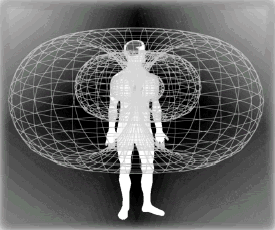
Pulsed Electromagnetic Field therapy represents another promising frontier for asthma treatment. Unlike FSM which uses electrical microcurrents, PEMF employs magnetic fields that pulse at specific frequencies to influence cellular activity throughout the body. These fields can penetrate deeply into tissue, potentially reaching areas of the lungs that other therapies might not effectively access.
How Pulsed Electromagnetic Fields Improve Lung Function
PEMF therapy may enhance lung function through several mechanisms. The pulsed magnetic fields appear to improve cellular oxygenation and metabolism, which can be particularly beneficial for lung tissue compromised by chronic inflammation. By enhancing oxygen utilization at the cellular level, PEMF may help improve overall respiratory efficiency even when airway obstacles remain.
Additionally, PEMF therapy stimulates the production of nitric oxide, a natural vasodilator that helps improve blood flow. For asthma patients, this increased circulation can mean better oxygen delivery to tissues and more efficient removal of inflammatory waste products from the lungs. Some studies also suggest that PEMF therapy may enhance the capacity of red blood cells to carry and deliver oxygen, further supporting respiratory function.
The electromagnetic fields may also help normalize the electrical activity of bronchial smooth muscle cells, potentially reducing their tendency toward hyperreactivity—a hallmark feature of asthmatic airways. This normalization effect could help establish healthier patterns of muscle response even between acute episodes.
Anti-Inflammatory Effects on Bronchial Tissues
Perhaps the most significant benefit of PEMF therapy for asthma patients lies in its potent anti-inflammatory effects. Research suggests that pulsed electromagnetic fields can modulate the immune response, reducing the production of pro-inflammatory cytokines while promoting anti-inflammatory pathways. This rebalancing effect may help calm the chronic inflammation that underlies most asthma cases.
PEMF therapy has been shown to influence mast cell behavior, potentially reducing their tendency to degranulate and release histamine and other inflammatory mediators in response to triggers. By stabilizing these key immune cells, PEMF may help interrupt the inflammatory cascade that leads to asthma symptoms. The therapy also appears to reduce oxidative stress—another contributor to airway inflammation—by enhancing antioxidant activity within cells.
These anti-inflammatory effects tend to accumulate with repeated treatments, which may explain why many patients report gradual improvements in their asthma symptoms over a course of PEMF therapy. Unlike medications that must be continually present to suppress inflammation, PEMF appears to promote more lasting changes in inflammatory pathways.
Reduction in Medication Dependency
One of the most compelling potential benefits of both FSM and PEMF therapies is the possibility of reducing dependency on conventional asthma medications. Many patients report being able to decrease their use of rescue inhalers and, in some cases, even maintenance medications after a consistent course of electromagnetic therapies. This reduction typically occurs gradually as the underlying inflammatory and constriction patterns begin to normalize.
It’s important to note that medication changes should always be supervised by a healthcare provider. However, the potential to reduce medication use represents a significant quality-of-life improvement for many asthma patients, particularly those who experience side effects from long-term corticosteroid use or who worry about the cumulative effects of lifelong medication dependency. For alternative relief techniques, consider exploring FSM & PEMF therapy as an option.
For parents of children with asthma, the prospect of a treatment that might reduce the need for daily medications is particularly appealing. While electromagnetic therapies should not replace emergency medications or prescribed controller therapies without medical supervision, they may serve as valuable complementary approaches that support overall respiratory health and potentially allow for medication reduction over time.
Immune System Modulation
Beyond direct effects on the lungs and airways, both FSM and PEMF therapies appear to offer broader immune system benefits that may indirectly improve asthma symptoms. These therapies can help modulate immune function, potentially reducing the hyperreactivity that characterizes allergic asthma while supporting overall immune competence.
This immune-balancing effect may be particularly beneficial for patients whose asthma has significant allergic components. By calming exaggerated immune responses to environmental triggers while maintaining normal immune surveillance and protection, electromagnetic therapies might help break the cycle of reactivity that leads to chronic inflammation and airway remodeling.
The systemic nature of these immune effects might also explain why many patients report improvements in concurrent allergic conditions like eczema, allergic rhinitis, or food sensitivities when undergoing FSM or PEMF therapy for their asthma. This holistic benefit aligns with the understanding that many atopic conditions share underlying immune dysregulation patterns.
Clinical Evidence Supporting FSM & PEMF for Asthma
While still considered complementary approaches, both FSM and PEMF therapies have garnered increasing research attention for their potential benefits in respiratory conditions. The clinical evidence continues to grow, with several studies demonstrating promising results for patients with asthma and related conditions. For those interested in exploring further, there are techniques and benefits of FSM & PEMF for allergies that may also be applicable to asthma management.
Research on Reduced Inflammation Markers
Clinical studies examining the effects of PEMF therapy on inflammatory markers have shown significant reductions in key inflammation indicators relevant to asthma. Research has documented decreases in pro-inflammatory cytokines like IL-4, IL-5, and TNF-alpha following PEMF treatment, along with increases in anti-inflammatory mediators. These changes in biomarkers correlate with clinical improvements in respiratory function and symptom reduction, suggesting a true physiological impact rather than merely a placebo effect.
Patient Outcomes and Breathing Improvement Data
Clinical outcomes data demonstrates promising results for asthma patients using FSM and PEMF therapies. Multiple case studies have documented improvements in peak flow readings, reduced frequency of acute episodes, and enhanced quality of life scores following regular treatment sessions. In one observational study, patients receiving twice-weekly PEMF therapy for six weeks showed an average 22% improvement in forced expiratory volume (FEV1) measurements, a key indicator of asthma severity and control.
Patient-reported outcomes are equally encouraging, with many individuals noting subjective improvements in breathing ease, reduced nighttime awakenings, and decreased reliance on rescue medications. While large-scale, randomized controlled trials are still needed to firmly establish these therapies in mainstream medicine, the consistent pattern of positive outcomes across different clinical settings suggests genuine therapeutic potential rather than placebo response alone.
The accumulating clinical evidence provides a foundation for integrating these approaches into comprehensive asthma management programs. As research continues to validate specific protocols and parameters, practitioners can increasingly offer evidence-based recommendations for frequency selection, treatment duration, and maintenance schedules.
Practical Application: Getting Started with FSM & PEMF
For asthma patients interested in exploring these therapies, understanding the practical aspects of treatment can help set realistic expectations and maximize potential benefits. Both FSM and PEMF therapies are generally available through specialized practitioners who focus on integrative or functional medicine approaches to respiratory health.
Clinical vs. Home Treatment Options
FSM and PEMF therapies are typically initiated in a clinical setting under professional guidance. Clinical units offer more powerful and precise frequency delivery, along with the expertise of trained practitioners who can customize protocols based on individual symptoms and responses. Most patients begin with a series of in-office treatments to establish baseline responses and optimize frequency selections.
For ongoing maintenance, home units are increasingly available for both FSM and PEMF therapies. While generally less powerful than clinical models, these devices allow for more frequent application and can be particularly beneficial for managing chronic conditions like asthma. Home units range from simple, targeted PEMF devices to more sophisticated programmable systems that can store multiple frequency protocols. Your practitioner can recommend appropriate home equipment based on your specific needs and response to in-office treatments.
Recommended Treatment Protocols
Treatment protocols for asthma typically begin with more frequent sessions during an initial intensive phase, followed by a maintenance schedule. A common approach might include 2-3 sessions weekly for 4-6 weeks, then tapering to weekly and eventually monthly maintenance sessions. Each session typically lasts 30-60 minutes, with frequencies targeting inflammation reduction, bronchial smooth muscle relaxation, and immune modulation.
Protocols are highly individualized based on symptom patterns, triggers, and response to initial treatments. Practitioners often combine different frequency sets within a single session to address various aspects of asthma pathophysiology. For patients with acute exacerbations, more targeted protocols focusing on immediate bronchodilation may be employed, while those with chronic, stable asthma might receive broader protocols addressing tissue remodeling and long-term inflammatory patterns.
What to Expect During Your First Session
Your first FSM or PEMF session typically begins with a comprehensive assessment of your asthma history, symptom patterns, known triggers, and current medication regimen. This information helps practitioners customize frequency selections to address your specific presentation. The treatment itself is non-invasive and generally painless, involving the placement of electrodes (for FSM) or magnetic coils (for PEMF) over clothing on the chest, back, and sometimes auxiliary areas.
During treatment, you’ll rest comfortably while the equipment delivers the therapeutic frequencies. Many patients report feeling a gentle warming sensation, improved ease of breathing, or a sense of relaxation during the session. Some experience noticeable symptom improvement immediately, while others develop more gradual benefits over several sessions. After treatment, practitioners typically recommend increased water intake to support the cellular changes initiated by the therapy.
Integrating with Conventional Asthma Treatments
FSM and PEMF therapies work best as complementary approaches integrated with conventional asthma management. They’re not intended to replace emergency medications or controller therapies prescribed by your physician. Instead, they can work alongside traditional treatments to potentially enhance outcomes and possibly reduce medication requirements over time.
Communication between your electromagnetic therapy practitioner and your primary asthma care provider is essential for coordinated care. Any changes to medication regimens should be supervised by the prescribing physician, with electromagnetic therapies viewed as supportive modalities rather than replacements for established care. Many patients find that this integrated approach provides the best of both worlds—conventional medicine’s rapid symptom control combined with the potential long-term healing benefits of electromagnetic therapies.
5 Key Benefits That Make FSM & PEMF Worth Trying
1. Non-Invasive and Pain-Free Treatment
Unlike medications that circulate throughout your entire body or procedures that require injections or surgery, FSM and PEMF therapies deliver targeted healing frequencies without breaking the skin or causing discomfort. Most patients report the treatments as being deeply relaxing, with many even falling asleep during sessions. This gentle approach makes these therapies suitable for virtually all age groups and particularly appealing for those who experience anxiety around medical treatments.
2. Reduced Need for Rescue Inhalers
Many patients report a gradual reduction in their reliance on rescue inhalers after consistent FSM or PEMF therapy. This decreased dependency can significantly improve quality of life, reducing the anxiety associated with breathlessness and the inconvenience of constantly keeping inhalers accessible. While results vary by individual, even a modest reduction in rescue medication use represents a meaningful improvement for many asthma sufferers.
3. Improved Sleep Quality
Nighttime asthma symptoms disrupt sleep for millions of patients, contributing to daytime fatigue and reduced quality of life. FSM and PEMF therapies often lead to improved nocturnal breathing and fewer nighttime awakenings. This sleep enhancement effect appears to result from both direct improvements in bronchial function and indirect benefits to the autonomic nervous system, helping shift from sympathetic (fight-or-flight) dominance to parasympathetic (rest-and-digest) states that support healthy sleep patterns.
4. Enhanced Exercise Capacity
Exercise-induced bronchoconstriction limits physical activity for many asthma patients, creating barriers to fitness and enjoyment of sports. Regular FSM and PEMF treatments have helped numerous patients improve their exercise tolerance and reduce post-exertion symptoms. This enhanced capacity for physical activity creates positive cascading effects, as improved fitness itself often contributes to better asthma control and overall health.
5. Long-Term Airway Remodeling Potential
Perhaps the most promising aspect of these therapies is their potential to influence long-term airway remodeling—the structural changes that occur in chronically inflamed asthmatic airways. Conventional treatments primarily address symptoms and inflammation but have limited impact on these structural alterations. Early research suggests that consistent electromagnetic therapies might help normalize tissue patterns over time, potentially altering the course of the disease rather than simply managing its manifestations.
Safety Considerations and Who Should Avoid These Therapies
While FSM and PEMF therapies boast excellent safety profiles compared to many conventional treatments, they’re not appropriate for everyone. Understanding the contraindications and potential concerns helps ensure these therapies are used safely and effectively.
Both modalities are generally considered very safe when administered by trained practitioners using properly calibrated equipment. The electromagnetic fields employed are significantly weaker than those used in diagnostic imaging and don’t produce tissue heating or damage. However, certain conditions require caution or exclusion from treatment.
Contraindications for Certain Medical Conditions
Patients with implanted electronic devices such as pacemakers, defibrillators, or certain types of insulin pumps should generally avoid PEMF therapy due to potential interference with these devices. Similarly, those with seizure disorders may not be candidates for electromagnetic therapies, as the frequencies could potentially trigger seizure activity in susceptible individuals. Pregnancy represents another contraindication for both FSM and PEMF, as the effects on fetal development haven’t been adequately studied despite no known adverse effects.
Side Effects to Be Aware Of
Most patients experience no significant side effects from FSM or PEMF therapy. When side effects do occur, they’re typically mild and transient. The most commonly reported effect is a temporary exacerbation of symptoms during or shortly after initial treatments—sometimes called a healing crisis—as the body begins to respond to the frequencies. This reaction usually resolves quickly and often precedes noticeable improvement. Some patients also report mild fatigue, headache, or lightheadedness following treatment, which typically responds well to increased hydration and generally diminishes with subsequent sessions.
It’s worth noting that these therapies can occasionally trigger a detoxification response as cellular function improves, resulting in temporary symptoms like fatigue or mild nausea. Practitioners typically recommend increased water intake and sometimes specific supportive supplements to ease this transition process. For more information, you can explore PEMF therapy and its effects.
Your Path to Easier Breathing Starts Here
Taking the first step toward exploring FSM and PEMF therapies for asthma begins with finding a qualified practitioner experienced in treating respiratory conditions. Look for professionals with specific training in frequency-based therapies who work regularly with asthma patients and understand the complexities of respiratory disorders. Many integrative medicine physicians, naturopathic doctors, physical therapists, and chiropractors now offer these modalities as part of comprehensive asthma management programs.
Frequently Asked Questions
Patients considering FSM and PEMF therapies for asthma naturally have questions about what to expect, how these treatments compare to conventional approaches, and what results they might reasonably anticipate. Here are answers to some of the most common questions about electromagnetic therapies for asthma management.
How quickly can I expect results from FSM or PEMF therapy for my asthma?
- Many patients notice subjective improvements in breathing ease during or immediately after their first treatment session
- Measurable improvements in peak flow readings typically begin to appear after 3-6 sessions
- Long-term benefits such as reduced medication dependency or decreased frequency of exacerbations generally require consistent treatment over 2-3 months
The timeline for results varies considerably based on asthma severity, duration, and individual factors. While some patients experience immediate relief during their very first session, most develop benefits gradually with consistent treatment. Acute symptom relief tends to occur more quickly than changes in underlying inflammation patterns or airway remodeling.
Practitioners typically recommend an initial series of 6-10 treatments before evaluating the therapy’s effectiveness for your specific case. This approach allows time for the cumulative effects to develop and provides a clear picture of your individual response pattern. Throughout this initial phase, keeping a symptom journal can help track subtle improvements that might otherwise go unnoticed.
For maintenance, many patients find that periodic “booster” sessions help sustain the benefits achieved during intensive treatment phases. The frequency of these maintenance sessions varies widely, from weekly to monthly or even quarterly, depending on individual response patterns and asthma severity.
Can children with asthma safely use these therapies?
Children generally respond well to both FSM and PEMF therapies, often showing faster and more dramatic improvements than adults with long-standing asthma. The non-invasive nature of these modalities makes them particularly suitable for pediatric patients who may struggle with conventional treatments or experience anxiety around medical interventions. Treatment protocols are modified based on age and size, with reduced intensity and duration for younger children.
Parents should seek practitioners specifically experienced in treating pediatric patients with electromagnetic therapies. These specialists understand the physiological differences in children’s respiratory systems and have developed modified protocols that address these unique needs. As with adults, electromagnetic therapies for children should complement rather than replace conventional medical care, especially for acute exacerbations or severe asthma.
Will insurance cover FSM or PEMF treatments for asthma?
Insurance coverage for electromagnetic therapies varies widely depending on your provider, plan type, and the credentials of the practitioner. Some plans cover these treatments when provided by certain licensed healthcare providers (typically MDs, DOs, PTs, or DCs) and coded appropriately as part of a comprehensive treatment plan. However, many patients still find these therapies are not covered or only partially reimbursed by conventional insurance.
- Some practitioners offer superbills or detailed receipts that can be submitted for potential reimbursement
- HSA and FSA accounts often can be used to cover these treatments as qualifying medical expenses
- Some clinics offer package pricing or membership models that reduce per-session costs for ongoing treatment
When evaluating the financial aspects of these therapies, many patients find it helpful to consider the potential long-term savings from reduced medication use, fewer emergency visits, and improved quality of life. While the upfront costs may seem significant, the cumulative benefits often provide value that extends well beyond the immediate expense.
For those interested in home units, some manufacturers offer financing options that make these devices more accessible. Though representing a larger initial investment, home units can provide cost-effective long-term care, especially for chronic conditions like asthma that benefit from consistent, ongoing treatment.
How do these therapies compare to traditional asthma medications?
Unlike medications that primarily manage symptoms or suppress inflammation while present in the body, FSM and PEMF therapies aim to address underlying physiological patterns and promote actual healing of affected tissues. Traditional medications typically work faster for acute symptom relief, while electromagnetic therapies often provide more gradual but potentially longer-lasting benefits that continue developing between treatment sessions. The ideal approach for many patients combines both—using conventional medications for reliable symptom control while employing electromagnetic therapies to potentially reduce the underlying factors driving the asthma process.
Can I use FSM or PEMF during an acute asthma attack?
FSM and PEMF are not appropriate replacements for emergency medications during acute asthma attacks. Rescue inhalers and prescribed emergency protocols should always be your first response to acute breathing difficulties. However, once emergency medications have stabilized an acute situation, specific FSM or PEMF protocols may be used as supportive measures to help resolve residual inflammation and airway constriction.
Some practitioners provide patients with specific frequency protocols and portable devices that can be used during the early stages of symptom development, potentially helping prevent full-blown exacerbations. These supportive approaches should be clearly outlined in your treatment plan and coordinated with your primary asthma care provider.
For frequent asthma episodes triggered by specific activities or exposures, pre-treatment with appropriate frequencies before the triggering event sometimes helps reduce reactivity. For example, some patients benefit from a preventive session before exercise, cold weather exposure, or other known trigger situations.
While the focus of electromagnetic therapies typically centers on long-term improvement in asthma patterns, their role in acute and subacute management continues to evolve as clinical experience and research expand our understanding of optimal application methods.


Leave a Reply