

Key Takeaways
- PEMF therapy uses electromagnetic fields to stimulate healing and reduce arthritis symptoms.
- Research shows PEMF therapy can decrease pain and improve joint function in arthritis patients.
- Daily use of PEMF therapy has been shown to produce positive results without side effects.
Introduction to PEMF Therapy and Arthritis Relief
Arthritis can be a debilitating condition, affecting millions of people worldwide. The pain and stiffness it brings can make everyday activities challenging. But there is hope. Pulsed Electromagnetic Field (PEMF) therapy offers a promising natural remedy for those seeking relief from arthritis symptoms.
What is PEMF Therapy?
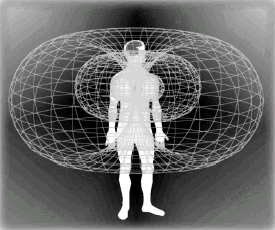
PEMF therapy is a non-invasive treatment that uses electromagnetic fields to stimulate and heal the body. It works by sending pulses of magnetic energy into the body, which can improve cellular function and repair damaged tissues. This therapy has been used for decades and is gaining popularity as an effective way to manage arthritis symptoms. For more information on managing pain, consider reading about PEMF therapy: Benefits, Uses, & Effects.
PEMF’s Rising Popularity for Arthritis
As more people seek natural remedies for arthritis, PEMF therapy is becoming a popular choice. Its ability to provide relief without medication makes it an attractive option for those wary of side effects. Additionally, many patients report improvements in joint mobility and a reduction in pain after consistent use.
Because of its non-invasive nature and growing body of supportive research, PEMF therapy is increasingly recommended by healthcare professionals, including physical therapists and chiropractors.
Understanding Arthritis and Its Challenges
Arthritis can significantly impact a person’s quality of life. Simple tasks like walking, climbing stairs, or even opening a jar can become painful and difficult. Therefore, finding effective treatments is crucial for maintaining an active and healthy lifestyle. Some individuals explore alternative therapies, such as PEMF therapy, which may offer potential benefits for managing symptoms.
Types of Arthritis: Rheumatoid Arthritis vs. Osteoarthritis
|
Characteristic |
Rheumatoid Arthritis (RA) |
Osteoarthritis (OA) |
|---|---|---|
|
Cause |
Autoimmune disease attacking synovial membrane |
Degenerative disease, breakdown of cartilage |
|
Nature |
Systemic condition |
Localized to specific joints |
|
Onset |
Can develop quickly (weeks) |
Gradual onset over time |
|
Affected Joints |
Multiple joints, symmetrically |
Few joints, often asymmetrically |
|
Common Locations |
Small joints (hands, wrists, feet, ankles) |
Weight-bearing joints (knees, hips, spine), finger joints |
|
Other Symptoms |
Can include fever, fatigue, loss of appetite |
Generally limited to joint pain and stiffness |
|
Pain Pattern |
Can occur even without joint use |
Often worsens with activity |
|
Treatment Focus |
Controlling immune system, preventing damage |
Managing symptoms, slowing progression |
|
Medications |
DMARDs, biologics, immunosuppressants |
Pain relievers, anti-inflammatories |
|
Prevalence |
1.3 to 1.5 million U.S. adults |
Over 30 million U.S. adults |
|
Risk Factors |
Age, gender (women), smoking, genetic factors |
Age, gender (women), obesity, joint injuries |
Scientific Studies and Evidence Supporting PEMF Therapy
Scientific research has increasingly focused on PEMF therapy as a viable option for managing arthritis symptoms. Several studies have demonstrated its effectiveness in reducing pain and improving joint function, making it a promising alternative to traditional treatments.
Zhu et al. (2022)
This study demonstrated that PEMF significantly alleviated pain (SMD = 0.71), improved stiffness (SMD = 1.34), and restored physical function (SMD = 1.52). The primary focus was on knee osteoarthritis (OA), with one study addressing hand OA. Various PEMF devices were used, with low-frequency PEMF showing the most favorable outcomes.
Bagnato et al. (2016)
PEMF therapy resulted in a 60% decrease in VAS pain scores and a 42% improvement in WOMAC scores, focusing specifically on knee OA. Treatment durations ranged from 15 to 90 days.
Külcü et al. (2009)
PEMF therapy effectively reduced pain and stiffness while improving functional levels in patients with knee OA. However, specific treatment parameters were not detailed in the provided information.
Wu et al. (2018)
This research highlighted significant improvements in pain (SMD = 1.06), stiffness (SMD = 0.37), and function (SMD = 0.46) for knee OA patients. The study noted that PEMF parameters did not significantly influence symptom relief.
Wang et al. (2024)
The study found significant improvements in knee muscle strength and pain reduction in patients with end-stage knee OA. The protocol combined PEMF therapy with home-based exercise over an 8-week period.
Hashemi et al. (2024)
Patients experienced significantly reduced pain based on VAS scores, along with lower functional limitations and stiffness after 7 weeks. The treatment involved 15 sessions over 3 weeks, with sessions lasting 30 minutes per day at 40% intensity and a frequency range of 10–100 Hz.
Vavken et al. (2009)
This study observed a moderate effect on daily activities, a weak effect on stiffness, and no significant effect on pain for knee OA. Treatment parameters varied across the included studies.
How to Get Started with PEMF Therapy
If you’re considering PEMF therapy for arthritis relief, it’s essential to approach it with the right knowledge and guidance. Here’s how you can get started on your journey to improved joint health.
Finding a Qualified Practitioner
First and foremost, consult with a healthcare professional or a qualified PEMF practitioner. They can assess your condition and recommend the best course of action tailored to your specific needs. A practitioner will guide you on the appropriate frequency and duration of therapy sessions to achieve optimal results.
To find a qualified practitioner, consider reaching out to local clinics or wellness centers that offer PEMF therapy. You can also seek recommendations from your primary healthcare provider or search online for certified professionals in your area.
Home Use vs. Professional Sessions
PEMF therapy can be administered both at home and in professional settings. Home-use devices are available for those who prefer the convenience of self-administering therapy. These devices are user-friendly and come with instructions on how to apply the therapy safely.
On the other hand, professional sessions conducted by trained practitioners may offer more precise treatment options and access to advanced equipment. Depending on your preferences and budget, you can choose the option that best suits your lifestyle.
Cost and Considerations
The cost of PEMF therapy can vary based on factors such as the type of device used, the frequency of sessions, and whether you opt for home use or professional treatment. Home-use devices can range from $300 to $3,000, while professional sessions may cost between $50 and $100 per visit.
Before starting PEMF therapy, consider discussing your options with a healthcare provider to determine the most cost-effective and beneficial approach for your arthritis management.
Our Favorite PEMF Therapy Device using Frequency Specific Microcurrent
A “ready-to-go” pocket sized therapy device, with 59 core protocols all preloaded
Check out The Vibe by Resona Health
PEMF Therapy Alternatives and Comparisons
While PEMF therapy offers numerous benefits, it’s essential to explore other natural remedies that can complement or serve as alternatives to this treatment. Understanding these options can help you make informed decisions about your arthritis management plan.
Each of these therapies has its own set of benefits and may be used in conjunction with PEMF therapy for enhanced results.
|
Treatment |
Efficacy |
Application |
Side Effects |
Invasiveness |
Duration of Effect |
|---|---|---|---|---|---|
|
PEMF Therapy |
Moderate to high for pain relief and function improvement in knee and hand OA |
Non-invasive, can be applied at home or in clinic |
Minimal to none reported |
Non-invasive |
Short to medium-term; effects may last weeks after treatment |
|
NSAIDs |
Moderate for pain relief and inflammation reduction |
Oral or topical application |
Potential gastrointestinal, cardiovascular, and renal side effects |
Non-invasive |
Short-term; effects last while taking medication |
|
Acetaminophen |
Mild to moderate for pain relief |
Oral application |
Generally safe at recommended doses; potential liver toxicity at high doses |
Non-invasive |
Short-term; effects last while taking medication |
|
Physical Therapy |
Moderate for improving function and reducing pain |
Exercises, manual therapy, and education |
Minimal; potential temporary soreness |
Non-invasive |
Medium to long-term; effects can last with continued exercise |
|
Acupuncture |
Moderate for pain relief and function improvement in OA; limited evidence for RA |
Minimally invasive, performed by trained practitioners |
Minor bruising or bleeding at needle sites |
Minimally invasive |
Short to medium-term; effects may last weeks after treatment |
|
Massage |
Moderate for pain relief, improving function and range of motion |
Non-invasive, can be done at home or by professionals |
Minimal; potential temporary soreness |
Non-invasive |
Short-term; effects may last days to weeks |
|
Corticosteroid Injections |
High for short-term pain relief |
Intra-articular injection |
Potential for joint infection, cartilage damage with repeated use |
Minimally invasive |
Short to medium-term; effects can last weeks to months |
|
Surgery (e.g., joint replacement) |
High for pain relief and function improvement in advanced OA |
Invasive procedure |
Risks associated with surgery, including infection and blood clots |
Highly invasive |
Long-term; effects can last years |
Combining Therapies for Maximum Relief
For those seeking the best results in arthritis management, combining therapies can be a game-changer. By integrating PEMF therapy with other natural remedies, you can create a comprehensive treatment plan tailored to your specific needs.
Consider incorporating low-level light therapy, acupuncture, or electrical stimulation alongside PEMF therapy. These therapies can work synergistically, enhancing each other’s effects and providing more significant relief from arthritis symptoms. By addressing pain, inflammation, and joint function through multiple modalities, you can optimize your path to improved health and mobility.
Conclusion
PEMF therapy offers a promising alternative therapy for arthritis sufferers, providing pain relief, improved joint function, and a better quality of life. Its non-invasive nature and growing body of scientific evidence make it an attractive option for those seeking alternatives to traditional treatments. By understanding how PEMF therapy works and exploring complementary therapies, you can take control of your arthritis management and enjoy a more active, fulfilling life.
Encouragement to Seek Professional Guidance
While PEMF therapy offers numerous benefits, it’s essential to seek professional guidance to ensure the best outcomes. A healthcare professional can help you develop a personalized treatment plan that addresses your specific needs and goals. By working closely with a practitioner, you can maximize the benefits of PEMF therapy and enhance your overall well-being.
Frequently Asked Questions
As you explore PEMF therapy for arthritis relief, you may have several questions about its application and benefits. Here are some frequently asked questions to help guide you in your decision-making process.
How often should I use PEMF therapy for arthritis?
The frequency of PEMF therapy sessions can vary depending on individual needs and the severity of your arthritis. Typically, daily sessions or several times a week are recommended for optimal results. It’s best to consult with a healthcare professional to determine the most suitable frequency for your specific condition. For more information on how PEMF can aid in pain relief, you might find this article on PEMF therapy for fibromyalgia helpful.
Are there any side effects of PEMF therapy?
PEMF therapy is generally considered safe and non-invasive, with few reported side effects. Some individuals may experience mild sensations during treatment, such as warmth or tingling, but these are usually temporary. Always consult with a healthcare professional before starting any new therapy. For more information on how PEMF therapy can help with specific conditions, you can explore its benefits for carpal tunnel relief.
It’s important to follow the recommended guidelines and consult with a qualified practitioner to ensure the safe and effective use of PEMF therapy.
What results can I expect from PEMF therapy?
Many individuals report significant improvements in joint pain, mobility, and overall quality of life after consistent use of PEMF therapy. While results can vary, regular sessions can lead to long-term benefits and enhanced joint health.
Can PEMF therapy be used with other treatments?
- Yes, PEMF therapy can be combined with other natural remedies for enhanced results.
- Consider integrating therapies like acupuncture, low-level light therapy, or electrical stimulation.
- Consult with a healthcare professional to ensure safe and effective combinations.
By combining therapies, you can create a comprehensive treatment plan that addresses multiple aspects of arthritis management, leading to improved outcomes.
Is PEMF therapy safe for all types of arthritis?
PEMF therapy is generally safe for both osteoarthritis and rheumatoid arthritis patients. However, it’s crucial to consult with a healthcare professional to ensure that the therapy is appropriate for your specific condition and needs.
By working closely with a practitioner, you can tailor PEMF therapy to your unique situation and maximize its benefits for arthritis relief.
References:
- Zhu Y, et al. Current Evidence Using Pulsed Electromagnetic Fields in Osteoarthritis: A Systematic Review. J Clin Med. 2024;13(7):1959.
- Bagnato GL, et al. Pulsed electromagnetic fields in knee osteoarthritis: a double blind, placebo-controlled, randomized clinical trial. Rheumatology. 2016;55(4):755-762.
- Wu Z, et al. Efficacy and safety of the pulsed electromagnetic field in osteoarthritis: a meta-analysis. BMJ Open. 2018;8(12):e022879.
- Külcü DG, et al. Short-Term Efficacy of Pulsed Electromagnetic Field Therapy on Pain and Functional Level in Knee Osteoarthritis: A Randomized Controlled Study. Arch Rheumatol. 2009;24:144-148.
- Wang Q, Ong MT, Man A, et al. The effects of pulsed electromagnetic field therapy on muscle strength and physical function in end-stage knee osteoarthritis: A randomized controlled trial. Front Med. 2024;11:1435277.
- Hashemi SE, Gök H, Güneş S, Ateş C, Kutlay Ş. Efficacy of pulsed electromagnetic field therapy in the treatment of knee osteoarthritis: A double-blind, randomized-controlled trial. Turk J Phys Med Rehab. 2025;71(x):i-viii.
- Vavken P, Arrich F, Schuhfried O, Dorotka R. Effectiveness of pulsed electromagnetic field therapy in the management of osteoarthritis of the knee: a meta-analysis of randomized controlled trials. Journal of Rehabilitation Medicine. 2009;41(6):406-411.


Leave a Reply