

Key Takeaways
- PEMF therapy uses electromagnetic fields to reduce pain and inflammation in the lower back.
- It is a non-invasive treatment option with no known side effects, making it safe for most people.
- Regular sessions can improve mobility and enhance blood circulation, aiding in faster recovery.
Understanding the Basics of PEMF Therapy
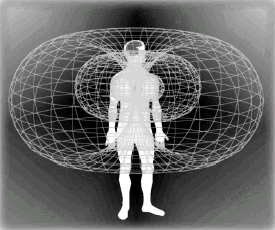
PEMF therapy, or Pulsed Electromagnetic Field therapy, is a treatment used for managing pain. It operates by using electromagnetic fields to stimulate the body’s natural recovery processes, which in turn accelerates healing and reduces pain and inflammation. This technique has been gaining popularity due to its effectiveness and safety profile.
How PEMF Therapy Works
The mechanism behind PEMF therapy is quite fascinating. When electromagnetic fields are applied to the body, they interact with the body’s cells. This interaction improves the electrical potential of cells, which enhances their ability to absorb nutrients and expel waste. Consequently, this leads to better cellular function and promotes healing. By improving cellular health, PEMF therapy can reduce inflammation and pain, which are often at the core of chronic lower back issues. For those interested in learning more, checkout PEMF therapy benefits.
Benefits of Using PEMF for Lower Back Pain
There are numerous benefits to using PEMF therapy for lower back pain, which makes it an attractive alternative to traditional treatment methods.
Reduction of Inflammation
Inflammation is a common cause of pain and discomfort in the lower back. PEMF therapy helps to reduce inflammation by improving cellular function and promoting the removal of waste products from the body. This reduction in inflammation can lead to a decrease in pain and an improvement in mobility.
Improved Mobility and Circulation
- Increases blood flow, enhancing oxygen and nutrient delivery to cells.
- Stimulates the lymphatic system, aiding in waste removal and reducing swelling.
- Supports joint health by improving the production of synovial fluid, which lubricates joints.
These improvements in circulation and mobility can make a significant difference in the quality of life for those suffering from lower back pain.
Moreover, by facilitating the body’s natural healing processes, PEMF therapy can help individuals regain their mobility and return to their daily activities with ease.
Non-Invasive and Side Effect Free
One of the most appealing aspects of PEMF therapy is its non-invasive nature. Unlike surgery or other invasive procedures, PEMF therapy does not require any incisions or recovery time. Additionally, it has no known side effects, making it a safe option for most people.
Studies on PEMF Therapy for Low Back Pain
One study combined conventional physical therapy, significantly improves pain, functional disability, and lumbar range of motion in patients with chronic non-specific low back pain compared to conventional therapy alone.
And a systematic review of studies from 2005 to 2015 for PEMF therapy shows how promising it is in reducing pain intensity and improving functionality in individuals with low back pain. Despite heterogeneity in intervention protocols, the findings suggest clinically significant benefits.
Comparison with Traditional Back Pain Treatments
PEMF therapy offers a unique approach to managing lower back pain, standing out when compared to traditional treatments. Let’s explore how it compares to common alternatives like prescription medications and surgical interventions.
PEMF vs. Prescription Medications
Prescription medications are often used to manage lower back pain, but they primarily offer temporary relief. Painkillers and anti-inflammatories can mask symptoms without addressing the underlying cause of the pain. Moreover, they come with potential side effects, including dependency, gastrointestinal issues, and cardiovascular risks.
In contrast, PEMF therapy targets the root causes of pain, such as inflammation and poor cellular function. It provides a holistic approach to healing without the side effects associated with medications. Therefore, PEMF therapy can be a safer and more sustainable option for long-term pain management.
PEMF vs. Surgical Interventions
Surgery is often considered a last resort for chronic lower back pain. While it can be effective, it carries significant risks, including infection, prolonged recovery times, and potential complications. Not to mention, surgery can be costly and doesn’t guarantee a permanent solution.
PEMF therapy, being non-invasive, presents no such risks. It offers a safer alternative that can be used alone or alongside other treatments to enhance recovery. Additionally, PEMF therapy can help avoid the need for surgery by addressing pain and inflammation effectively.
If surgery is the best option, then PEMF therapy for post-surgical pain relief can be a valuable addition to your recovery process.
Assessing Results and Progress
Tracking your progress is essential to evaluate the effectiveness of PEMF therapy. Here are some key indicators to monitor:
- Reduction in pain intensity and frequency.
- Improvement in mobility and range of motion.
- Decreased reliance on pain medications.
- Overall improvement in quality of life and daily activities.
It’s beneficial to maintain a journal of your symptoms and improvements. This record can help you and your healthcare provider make informed decisions about continuing or adjusting your treatment plan.
Remember, patience is key. While some may experience immediate relief, others might notice gradual improvements over several sessions. Consistency in attending sessions and following the recommended treatment plan is crucial for optimal results. For more information, explore the benefits and effects of PEMF therapy.
Long-Term Effects and Considerations
As with any treatment, understanding the long-term effects and considerations of PEMF therapy is crucial. Let’s delve into its potential for preventative use and its safety over extended periods.
Potential for Preventative Use
One of the remarkable aspects of PEMF therapy is its potential for preventative use. By maintaining cellular health and reducing inflammation, regular PEMF sessions can help prevent the recurrence of lower back pain. This makes it an excellent option not only for those currently experiencing pain but also for individuals at risk of developing chronic conditions.
Incorporating PEMF therapy into a regular wellness routine can support overall musculoskeletal health, reducing the likelihood of future pain episodes and enhancing quality of life.
Discussion of Long-Term Safety
PEMF therapy is considered safe for long-term use. Extensive research has shown no significant adverse effects associated with prolonged exposure to electromagnetic fields at the frequencies used in PEMF therapy. This makes it a viable option for chronic pain management over extended periods.
However, it’s essential to follow the guidelines provided by healthcare professionals and the manufacturer of the PEMF device. Regular check-ins with your healthcare provider can ensure that the therapy remains effective and safe as part of your long-term pain management strategy.
Personalizing Your PEMF Therapy
Tailoring PEMF therapy to your specific needs can enhance its effectiveness. Here are some ways to personalize your treatment:
- Work with a healthcare professional to determine the best frequency and duration of sessions.
- Consider combining PEMF therapy with other complementary treatments, such as physical therapy or chiropractic care.
- Choose a PEMF device that fits your lifestyle and needs, ensuring it’s of high quality and meets safety standards.
Personalization is key to maximizing the benefits of PEMF therapy. By adapting the treatment to your unique condition and lifestyle, you can achieve better outcomes and a more fulfilling quality of life.
Choosing the Right PEMF Device
With a variety of PEMF devices available, choosing the right one is essential. Consider factors such as the device’s frequency range, intensity settings, and portability. A device that offers adjustable settings can be beneficial, allowing you to customize the treatment to your comfort and needs. It’s also important to ensure the device is from a reputable manufacturer and meets safety standards. Consulting with a professional can help you make an informed decision. For more insights, you might want to explore the effectiveness of PEMF therapy in managing pain.
Our Favorite PEMF Therapy Device using Frequency Specific Microcurrent
A “ready-to-go” pocket sized therapy device, with 59 core protocols all preloaded
Check out The Vibe by Resona Health
Conclusion
In conclusion, PEMF therapy offers a promising and innovative approach to managing lower back pain. Its non-invasive nature, combined with its ability to address the root causes of pain, makes it a compelling alternative to traditional treatments. By understanding its benefits and how to personalize the therapy, you can embark on a journey towards pain relief and improved well-being.
Frequently Asked Questions (FAQ)
Many people have questions about PEMF therapy, especially when considering it for the first time. Here, we’ll address some common queries to help you better understand this innovative treatment.
How soon can I expect results from PEMF therapy?
Results from PEMF therapy can vary depending on the individual’s condition and response to treatment. Some may experience relief after just a few sessions, while others might notice gradual improvements over several weeks. Consistency is key, and regular sessions are often necessary to achieve and maintain optimal results.
Can PEMF therapy be combined with other treatments?
Yes, PEMF therapy can be effectively combined with other treatments for a comprehensive approach to pain management. It can complement physical therapy, chiropractic care, and even traditional medical treatments, enhancing their effectiveness. Combining therapies can address multiple aspects of pain and recovery, providing a holistic solution.
When integrating PEMF therapy with other treatments, it’s crucial to coordinate with all healthcare providers involved. This ensures a cohesive treatment plan and avoids any potential interactions or contraindications.
Are there any known side effects?
PEMF therapy is known for its safety profile, with no significant side effects reported. Some individuals may experience mild sensations, such as tingling or warmth, during sessions, but these are typically temporary and not harmful.
As with any treatment, it’s essential to follow the recommended guidelines and consult with a healthcare professional to ensure safety and effectiveness. Regular monitoring and adjustments to the treatment plan can help optimize results and prevent any potential issues.
References:
- Markov, M. S. (2007). Pulsed electromagnetic field therapy history, state of the art and future. The Environmentalist, 27(4), 465-475.
- Guo, L., et al. (2011). Pulsed electromagnetic field therapy for the treatment of knee osteoarthritis: a systematic review. Osteoarthritis and Cartilage, 19(S1), S145-S146.
- Steffens, D., et al. (2018). Effects of pulsed electromagnetic fields on postoperative pain: A double-blind randomized pilot study in breast augmentation patients. Aesthetic Plastic Surgery, 42(1), 115-122.
- Bassett, C. A. (1989). Fundamental and practical aspects of therapeutic uses of pulsed electromagnetic fields (PEMFs). Critical Reviews in Biomedical Engineering, 17(5), 451-529.


Leave a Reply