
Key Takeaways
- PEMF therapy delivers pulsed electromagnetic fields that stimulate cellular repair and reduce inflammation in pets, providing a non-invasive solution for various health conditions.
- Frequency Specific Microcurrent (FSM) works alongside PEMF to target specific tissues with low-level electrical currents, enhancing healing at the cellular level.
- These complementary therapies have shown remarkable results for treating arthritis, post-surgical recovery, and chronic pain in pets without the side effects of medications.
- PetWell Therapeutics offers veterinarian-approved PEMF devices specifically calibrated for companion animals with proper frequencies for optimal healing.
- Consistent treatment protocols tailored to your pet’s specific condition can lead to improved mobility, reduced pain, and enhanced quality of life within 2-4 weeks.
Why Your Pet Needs PEMF & Frequency Specific Microcurrent Therapy
Your aging retriever struggles to climb stairs. Your once-playful cat now hesitates before jumping. When conventional treatments fall short or produce unwanted side effects, Pulsed Electromagnetic Field (PEMF) therapy and Frequency Specific Microcurrent (FSM) offer powerful alternatives for pet healing. These non-invasive modalities harness the body’s natural electromagnetic properties to stimulate healing at the cellular level, addressing the root cause of pain and dysfunction rather than merely masking symptoms.
The Healing Power of Electromagnetic Fields for Animals
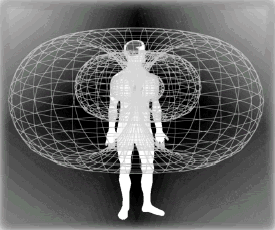
Animals, like all living beings, function through intricate bioelectrical systems. Every cell in your pet’s body maintains electrical potential across its membrane, creating the environment necessary for proper cellular function. When injury or disease disrupts this delicate balance, healing slows or stalls. PEMF therapy delivers specific electromagnetic pulses that penetrate deep into tissues, restoring proper cellular voltage and jumpstarting the healing process. The therapy works by emitting electromagnetic fields that mimic the Earth’s natural frequencies—something animals have evolved alongside for millions of years. This explains why many pets visibly relax during treatment sessions, with some even falling asleep as their bodies recognize and respond to these healing frequencies.
Non-Invasive Pain Relief Without Side Effects
Unlike medications that can tax your pet’s liver and kidneys over time, PEMF and FSM therapies work without biochemical intervention. They don’t mask symptoms—they address underlying tissue dysfunction. For aging pets or those with compromised organ function, this distinction is crucial. The gentle nature of these therapies means they can be safely administered to pets of all ages, from puppies and kittens to senior companions. There’s no pain during application; instead, most animals experience a pleasant sensation that reduces anxiety and promotes relaxation while healing occurs at the cellular level.
Many pet parents report their companions voluntarily approach the equipment or lie down next to it during subsequent sessions, suggesting a positive association with treatment. This compliance makes home treatment protocols particularly effective, as pets willingly participate in their healing journey. For sensitive animals who may be wary of veterinary procedures, these gentle modalities offer a stress-free alternative that doesn’t require restraint or create negative associations with healthcare. To understand more about these modalities, you can explore the benefits of PEMF with Frequency Specific Microcurrent.
Science-Backed Benefits for Multiple Conditions
The research supporting PEMF therapy spans decades, with studies demonstrating significant benefits for inflammation reduction, pain management, and tissue regeneration. In veterinary medicine, clinical applications have shown remarkable success for conditions ranging from degenerative joint disease to post-surgical healing. These therapies excel at addressing both acute injuries and chronic conditions that have persisted for years, offering a synergy of enhanced benefits.
For pets suffering from osteoarthritis, studies have documented increased range of motion and decreased pain scores after consistent PEMF therapy. Similarly, FSM has demonstrated efficacy for nerve regeneration and muscle recovery, making it valuable for neurological conditions and soft tissue injuries. The versatility of these therapies means they can address multiple health challenges simultaneously—reducing inflammation while promoting tissue repair and supporting proper nervous system function. This multifaceted approach is particularly valuable for senior pets who often face concurrent health challenges.
How PEMF Therapy Works to Heal Your Pet
PEMF therapy operates on a fundamental principle: proper cellular function requires proper cellular charge. When cells become damaged or diseased, their electrical potential often drops, impeding their ability to perform essential functions like energy production, waste elimination, and regeneration. PEMF devices deliver precisely calibrated electromagnetic pulses that restore cellular voltage, essentially “recharging” depleted cells and creating an environment conducive to healing.
The Science Behind Pulsed Electromagnetic Fields
At its core, PEMF therapy influences cellular behavior through electromagnetic resonance. The technology delivers short bursts of electromagnetic energy at specific frequencies that penetrate all tissues—including bone, cartilage, and dense muscle—reaching areas that other therapies cannot. These pulsed fields stimulate the sodium-potassium pump within cell membranes, enhancing cellular metabolism and triggering a cascade of positive effects throughout the body. For more insights, explore how PEMF using FSM reduces pain and inflammation.
The frequencies used in veterinary PEMF therapy typically range from 1-100 Hz, with different frequencies benefiting different tissue types and conditions. Lower frequencies (1-15 Hz) tend to promote relaxation and pain relief, while higher frequencies (15-100 Hz) support stimulation and tissue regeneration. Modern PEMF devices designed specifically for pets offer programmable settings that can be tailored to your companion’s unique needs, delivering the precise frequencies most beneficial for their condition.
Cellular Regeneration and Repair Mechanisms
When cells receive the appropriate electromagnetic stimulation, remarkable changes occur at the microscopic level. Mitochondria—the cellular powerhouses—increase ATP production, providing more energy for healing processes. DNA synthesis accelerates, speeding up the replacement of damaged tissues with healthy new cells. Protein production increases, supplying the building blocks needed for tissue repair. For more on how these therapies work together, explore the synergy of FSM and PEMF.
For pets recovering from surgery or injury, this cellular rejuvenation translates to faster wound closure, stronger scar formation, and quicker return to normal function. The therapy simultaneously reduces inflammation by modulating immune cell activity and cytokine production, creating a balanced healing environment that neither suppresses nor overstimulates the immune response. This balanced approach is particularly valuable for autoimmune conditions or chronic inflammatory disorders that can be challenging to manage with conventional medications alone.
Blood Flow Enhancement and Oxygen Delivery
Healthy tissues require adequate oxygen and nutrient delivery—something often compromised in injured or diseased areas. PEMF therapy produces measurable increases in microcirculation, dilating small blood vessels and enhancing blood flow to tissues that may have been receiving inadequate perfusion. This improved circulation delivers more oxygen, nutrients, and immune cells to the affected areas while more efficiently removing metabolic waste products.
For pets with peripheral vascular disease or poor circulation due to age or diabetes, this increased blood flow can be transformative. Owners often notice warmer extremities, improved coat quality, and faster healing of minor wounds in areas previously affected by poor circulation. The increased oxygen delivery also helps reduce pain, as many pain signals result from oxygen-deprived tissues. By addressing this underlying oxygen deficit, PEMF therapy often provides pain relief that persists long after the treatment session has ended.
- Increased production of ATP (cellular energy)
- Enhanced membrane permeability for better nutrient absorption
- Stimulation of cellular “cleanup” processes (autophagy)
- Reduction in free radicals and oxidative stress
- Normalization of cellular pH levels
Anti-Inflammatory Effects at the Tissue Level
Inflammation—while necessary for healing—can become problematic when excessive or prolonged. PEMF therapy helps regulate this inflammatory response, reducing edema (swelling) and the associated pressure on nerve endings that contributes to pain. The therapy influences key inflammatory mediators like prostaglandins and leukotrienes, naturally moderating their production without completely suppressing the inflammatory response necessary for healing.
This anti-inflammatory effect occurs throughout all tissues exposed to the electromagnetic field, creating systemic benefits beyond the primary treatment area. For pets with allergies or skin conditions, owners often notice reduced itching and improved skin health even when treating unrelated orthopedic conditions. This whole-body response makes PEMF therapy particularly valuable for pets with multiple inflammatory conditions or systemic disorders that affect multiple organ systems.
Frequency Specific Microcurrent: The Complementary Treatment
While PEMF therapy works through electromagnetic pulses, Frequency Specific Microcurrent (FSM) takes a different approach to cellular healing. This modality delivers extremely low-level electrical currents—measured in microamps, which is 1/1000th of a milliamp—to tissues at specific frequencies. These currents are so gentle that pets rarely feel anything during treatment, yet they produce profound biological effects that complement PEMF therapy perfectly.
The two therapies work synergistically, with PEMF creating the optimal cellular environment for healing, while FSM provides the precise electrical frequencies needed to address specific tissue types and conditions. For comprehensive treatment plans, veterinarians often recommend both modalities to maximize healing potential and address multiple aspects of injury or disease simultaneously.
Understanding FSM’s Electrical Stimulation
FSM operates on the principle that each tissue type in the body responds to specific frequencies of electrical current. These frequencies essentially “communicate” with cells, triggering particular biological responses based on the frequency used. Unlike TENS units or other electrical stimulation devices that work primarily by blocking pain signals, FSM actually changes cellular function at the fundamental level.
The currents used in FSM are subsensory—meaning they’re too small for pets to feel—yet they’re powerful enough to increase ATP production by up to 500% in treated tissues. This dramatic increase in cellular energy accelerates healing processes while simultaneously reducing inflammation and pain. The precision of FSM allows practitioners to target specific tissues like muscles, tendons, nerves, or even organs with customized treatment protocols based on the unique frequency needs of each tissue type.
Our Favorite PEMF Therapy Device using Frequency Specific Microcurrent
A “ready-to-go” pocket sized therapy device, with 59 core protocols all preloaded
Check out The Vibe by Resona Health
How Microcurrents Target Specific Tissues
The precision of FSM comes from its dual-channel approach, utilizing one frequency to target a specific tissue and another to address a particular condition within that tissue. For example, one frequency combination might target inflammation in nerve tissue, while another addresses scarring in muscle tissue. This specificity allows for extremely targeted treatment that addresses the exact physiological problems your pet is experiencing.
The frequencies are delivered through conductive pads or probes placed on the skin in locations that allow the current to flow through the affected tissues. For pets, these pads are often incorporated into comfortable wraps or beds that allow for treatment without stress or restraint. Water or specialized conductive gel enhances the delivery of the microcurrent, ensuring it reaches deeper tissues effectively. The combination of precise frequency selection and strategic placement allows FSM to achieve results that would be impossible with more generalized treatment approaches.
The biological effects of these microcurrents include softening of scar tissue, reduction of inflammatory cytokines, increased protein synthesis, and enhanced cellular repair mechanisms. For conditions involving fibrosis or adhesions—common complications in many chronic pet health conditions—FSM can break down these restrictive tissues and restore normal movement and function over time.
Differences Between PEMF and FSM Technologies
Though both PEMF and FSM work with bioelectrical properties of the body, they differ significantly in their application and mechanisms. PEMF uses electromagnetic fields that require no direct contact with the skin, allowing the pulses to penetrate through bedding, bandages, or casts to reach affected tissues. This makes PEMF particularly valuable for pets recovering from surgery or those with painful conditions where touch sensitivity is an issue. For more insights, check out the enhanced benefits of using FSM and PEMF together.
FSM, by contrast, requires conductive contact with the skin to deliver its precise microcurrents. The currents travel along the path of least resistance between the conductive pads, directly affecting tissues in that pathway. While this requires more specific placement than PEMF, it allows for extremely targeted treatment of particular tissue structures and pathological conditions.
6 Health Conditions These Therapies Can Treat in Pets
The versatility of PEMF and FSM therapy makes them valuable tools for addressing a wide range of pet health challenges. From acute injuries to chronic degenerative conditions, these modalities offer non-pharmaceutical options that can either stand alone or complement conventional veterinary care. The following conditions represent some of the most common and successful applications for these therapies in companion animals.
1. Arthritis and Joint Pain Relief
Osteoarthritis affects over 80% of dogs over age 8 and a significant percentage of aging cats, making it one of the most common conditions treated with PEMF and FSM. These therapies address multiple aspects of joint disease simultaneously—reducing inflammation, increasing circulation to nutrient-starved cartilage, and stimulating the production of synovial fluid that lubricates joints. For pets with chronic joint pain, a typical treatment protocol might include daily PEMF sessions combined with twice-weekly FSM treatments focusing on inflammation reduction and cartilage regeneration.
Pet owners typically report noticeable improvements within 2-4 weeks of consistent treatment, including increased willingness to climb stairs, jump, or engage in play. The therapy doesn’t just mask pain—it actually improves joint function by addressing the underlying inflammatory processes and supporting the body’s natural repair mechanisms. This means pets often need fewer pain medications, reducing the risk of side effects from long-term NSAID use while maintaining comfort and mobility.
2. Post-Surgery Recovery Acceleration
The trauma of surgical procedures creates significant cellular disruption, inflammation, and pain. PEMF therapy applied immediately post-surgery helps normalize cellular function in the affected area, reducing edema and accelerating the early stages of wound healing. Many veterinary surgical facilities now incorporate PEMF therapy into standard recovery protocols, beginning treatment while pets are still under anesthesia to get a head start on the healing process.
For orthopedic surgeries like cruciate ligament repair or fracture fixation, studies show that pets receiving regular PEMF therapy return to full weight-bearing status up to 50% faster than control groups. The therapy improves collagen alignment during scar formation, resulting in stronger repairs with less restriction of movement. This accelerated healing not only improves comfort but can significantly reduce the risk of complications like muscle atrophy, joint stiffness, or compensatory injuries that often develop when pets favor an injured limb for extended periods.
3. Wound Healing and Tissue Repair
Open wounds, pressure sores, and non-healing ulcers respond remarkably well to combined PEMF and FSM therapy. The electromagnetic pulses stimulate the proliferation of fibroblasts—cells essential for creating the structural framework for new tissues—while simultaneously increasing local blood flow to deliver vital nutrients to the healing wound bed. For chronic wounds that have stalled in the healing process, these therapies can restart the repair sequence and progress wounds through the normal stages of healing.
The antimicrobial effects of certain frequencies used in FSM therapy also help manage bacterial loads in infected wounds without contributing to antibiotic resistance. This makes it particularly valuable for compromised wounds or those in pets with reduced immune function due to age or concurrent disease. The combination of enhanced circulation, increased cellular energy, and optimized immune response creates ideal conditions for wound closure and tissue regeneration. For more insights on how FSM therapy can benefit senior pets, explore PEMF & FSM senior living benefits.
For slow-healing wounds like those common in diabetic pets, treatment protocols typically involve twice-daily PEMF sessions combined with targeted FSM to address specific barriers to healing. The results can be dramatic, with wounds that haven’t changed in weeks suddenly showing granulation tissue formation, contraction, and progressive closure after just a few treatment sessions.
4. Neurological Conditions and Nerve Damage
The nervous system operates through electrical impulses, making it particularly responsive to the electrical and magnetic therapies of FSM and PEMF. For conditions involving nerve damage, such as intervertebral disc disease or peripheral neuropathies, these therapies can stimulate nerve regeneration and restore proper signaling between the brain and affected tissues. The neuroprotective effects of PEMF therapy help preserve remaining nerve function while the regenerative properties support the formation of new neural connections.
In cases of acute spinal cord injury, immediate application of PEMF therapy helps reduce inflammation and secondary damage that often occurs in the hours and days following the initial trauma. This preservation of neural tissue can mean the difference between permanent paralysis and meaningful recovery of function. For chronic neuropathies, consistent treatment helps manage pain while simultaneously addressing the underlying nerve dysfunction.
FSM therapy is particularly effective for nerve pain, using specific frequencies that downregulate pain signal transmission and reduce the neurogenic inflammation that perpetuates many painful conditions. For pets suffering from conditions like trigeminal neuralgia or post-herpetic neuralgia, these frequencies can provide relief when pharmaceutical options have failed or produced intolerable side effects. For more information on how this therapy aids in recovery, explore the benefits of FSM therapy.
- Enhanced nerve cell membrane potential for improved signal transmission
- Increased production of nerve growth factors for regeneration
- Reduction of inflammatory cytokines that damage neural tissue
- Improved microcirculation to nerve roots and peripheral nerve pathways
- Restoration of normal calcium ion channels function in neural tissue
5. Muscle Injuries and Soft Tissue Trauma
Muscle strains, ligament sprains, and tendon injuries benefit greatly from the cellular regeneration stimulated by PEMF and FSM therapies. These treatments enhance the body’s natural healing cascade, reducing recovery time and improving the quality of tissue repair. For acute injuries, early intervention with PEMF therapy helps manage the initial inflammatory response, preventing excessive swelling while still allowing necessary healing processes to occur.
For chronic soft tissue problems like tendinopathies or muscle adhesions, the combination of PEMF and specific FSM frequencies can break down dysfunctional scar tissue and stimulate the formation of properly aligned collagen fibers. This remodeling of damaged tissues leads to greater strength and flexibility, reducing the risk of re-injury. Treatment protocols typically involve daily sessions for acute conditions, transitioning to 2-3 times weekly for chronic issues, with noticeable improvement in comfort and function typically observed within 1-2 weeks of consistent application.
6. Chronic Inflammation and Pain Management
Persistent inflammation underlies many chronic health conditions in pets, from inflammatory bowel disease to autoimmune disorders. PEMF and FSM therapies offer powerful tools for modulating this inflammation without the potentially serious side effects associated with long-term steroid or NSAID use. The therapies influence the production of inflammatory mediators while supporting proper immune function, creating a balanced approach to inflammation management that addresses the cause rather than simply suppressing symptoms.
For chronic pain conditions, these therapies work through multiple mechanisms—reducing inflammation, improving circulation, enhancing cellular energy production, and directly influencing pain signaling pathways. Many pets with conditions previously requiring constant medication management achieve significant improvements in comfort and quality of life through regular PEMF and FSM treatments. The cumulative effects of these therapies mean that many pets experience progressively longer periods of comfort between treatment sessions, eventually requiring only maintenance therapy to sustain their improved condition.
Treatment Protocols: Frequency, Duration, and Intensity
Successful PEMF and FSM therapy depends on establishing the right treatment protocol for your pet’s specific condition. Unlike medications that follow standardized dosing, electromagnetic therapies require customization based on the type and severity of the condition, your pet’s size, age, and overall health status. Most conditions benefit from consistent, regular treatments rather than sporadic, intense sessions. For more insights, explore how PEMF using FSM reduces pain and inflammation.
PetWell Therapeutics, a leader in veterinary electromagnetic therapy equipment, recommends starting with daily treatments for acute conditions and 3-4 times weekly for chronic issues. Their clinical research shows that consistent application at the right intensity produces better outcomes than occasional high-intensity sessions. The cumulative effect of these therapies builds over time, with each session reinforcing and extending the benefits of previous treatments.
Ideal Treatment Schedule for Different Conditions
For acute injuries or post-surgical recovery, intensive treatment produces the best results. Twice-daily PEMF sessions of 15-30 minutes during the first 72 hours after injury or surgery help control inflammation and jump-start the healing process. As inflammation subsides, treatments can be reduced to once daily for 1-2 weeks, then transitioned to an every-other-day maintenance schedule until full recovery.
Chronic conditions like arthritis or degenerative disc disease typically follow a different protocol. An initial intensive phase of daily treatments for 1-2 weeks helps break the pain cycle and establish baseline improvement. This is followed by a consolidation phase of 3-4 treatments weekly for 3-4 weeks, gradually reducing to a maintenance schedule of 1-2 treatments weekly. Many pet parents incorporate PEMF therapy into their pet’s daily routine, using specialized beds or mats that deliver treatment while their companion rests comfortably.
For FSM therapy, shorter but more precisely targeted sessions are typical. Treatment sessions generally last 30-60 minutes and are scheduled 1-3 times weekly depending on condition severity. The specific frequencies used will change throughout the treatment course as the condition evolves from acute inflammation to tissue repair and finally to functional restoration.
Sample PEMF Protocol for Canine Arthritis
Week 1-2: Daily treatment, 30-45 minutes per session
Week 3-4: 4-5 treatments weekly, 30 minutes per session
Week 5-6: 3 treatments weekly, 20-30 minutes per session
Maintenance: 1-2 treatments weekly, 20-30 minutes per session
Signs Your Pet is Responding to Treatment
Monitoring your pet’s response to therapy helps fine-tune the protocol for optimal results. Initial indicators of positive response typically appear within 3-7 treatments and may include improved mobility, reduced limping, increased playfulness, better sleep quality, and decreased signs of pain like whimpering or reluctance to be touched. Some pets show dramatic improvement after just one or two sessions, while others—especially those with chronic, long-standing conditions—may require 6-10 treatments before significant changes become apparent.
Beyond observable behavior changes, physical indicators of improvement include warmer extremities, reduced swelling, improved wound healing, and better muscle tone. For pets with chronic skin conditions, you might notice less scratching, improved coat quality, and faster healing of hotspots or lesions. These physical changes reflect the improved circulation and cellular function that PEMF and FSM therapies promote throughout the body.
How to Monitor Progress and Adjust Therapy
Keeping a treatment journal helps track your pet’s response and identify patterns that might otherwise go unnoticed. Record treatment dates, durations, settings used, and any changes in your pet’s condition or behavior following therapy. Photos of affected areas taken weekly can provide visual documentation of healing progress, especially for conditions with visible manifestations like wounds or skin problems.
Work closely with your veterinarian to adjust treatment parameters based on your pet’s response. If improvement plateaus, changing the treatment frequency, duration, or intensity can often restart progress. For some conditions, increasing treatment frequency during flare-ups or stress periods helps maintain comfort and function. The flexible nature of these therapies allows for continuous refinement of the treatment approach to maximize benefits for your specific pet.
Case Studies: Real Results in Pets
The transformative potential of PEMF and FSM therapies is best illustrated through the stories of pets who have experienced their benefits firsthand. These case studies demonstrate the diverse applications and remarkable outcomes possible with consistent, appropriately administered electromagnetic therapies. While individual results vary, these examples represent typical outcomes observed in veterinary rehabilitation practices.
Senior Dog Regains Mobility After PEMF Therapy
Max, a 13-year-old Labrador with severe hip dysplasia and spinal arthritis, had been on maximum doses of pain medications for years with diminishing results. His owners were considering euthanasia when their veterinarian suggested trying PEMF therapy as a last resort. After just two weeks of daily 30-minute treatments with a professional-grade PEMF device, Max showed noticeably improved mobility and willingness to rise from his bed. By week four, he had voluntarily begun taking short walks again and was managing stairs without assistance for the first time in over a year.
His medication requirements decreased by approximately 60% over three months of treatment, significantly reducing concerns about liver and kidney damage from long-term NSAID use. Most importantly, his owners reported the return of playful behaviors they hadn’t seen in years—carrying toys, initiating play sessions, and displaying a general enthusiasm for life that had been absent during his decline. Max’s quality of life improvement continued with a maintenance protocol of three weekly treatments, extending his comfortable and active life by nearly two years beyond what was initially expected.
Cat’s Chronic Pain Resolved with Combined Treatment
Bella, a 9-year-old domestic shorthair, developed feline hyperesthesia syndrome—a neurologic condition causing extreme skin sensitivity, muscle spasms, and self-mutilation behaviors. Traditional treatments including gabapentin, anti-anxiety medications, and steroids provided minimal relief and caused concerning side effects including lethargy and appetite changes. Her veterinarian recommended a combined approach using both PEMF and specific FSM frequencies known to calm neural hypersensitivity.
Initial treatments focused on breaking the pain cycle with twice-daily PEMF sessions and FSM treatments every other day. Within ten days, Bella’s episodes decreased from multiple daily occurrences to just occasional mild symptoms. The most dramatic improvement came in her self-mutilation behaviors, which ceased completely after three weeks of consistent therapy. Her owners were trained to provide home treatments with a portable PEMF device, giving Bella consistent daily exposure to the healing frequencies.
After six weeks, Bella was completely weaned from her medications with no return of symptoms. Her maintenance protocol now consists of daily low-intensity PEMF exposure via a pad in her favorite sleeping spot, with occasional FSM treatments during seasonal changes or stressful events that might trigger a recurrence. This case highlights the particular value of electromagnetic therapies for conditions with both neurological and inflammatory components.
Recovery Stories from Veterinary Professionals
Dr. Sarah Jenkins, a rehabilitation veterinarian with over fifteen years of experience, reports that integrating PEMF and FSM therapies into her practice has revolutionized her approach to pain management and recovery. “The cases that impress me most are those where we’ve exhausted conventional options without success, then seen dramatic turnarounds with electromagnetic therapies. I’ve treated paralyzed dachshunds who regained walking ability, cats with stomatitis who could eat comfortably again, and countless arthritic seniors who received months or years of improved quality life.”
Particularly notable are the post-surgical cases where PEMF therapy was started immediately after procedure completion. These patients consistently show reduced inflammation, faster incision healing, and quicker return to function compared to those receiving standard care alone. For cruciate ligament repairs—one of the most common orthopedic surgeries in dogs—patients receiving PEMF therapy typically return to controlled leash walking 10-14 days sooner than those without treatment, and complete their rehabilitation protocol with better range of motion and muscle development.
Safety Considerations and Contraindications
While PEMF and FSM therapies are generally extremely safe, certain situations require caution or contraindicate their use entirely. Understanding these limitations ensures you make appropriate treatment decisions for your pet’s specific situation. Always consult with a veterinarian knowledgeable in electromagnetic therapies before beginning treatment, especially if your pet has any pre-existing health conditions or is taking medications.
When These Therapies Shouldn’t Be Used
Active malignancy represents the primary absolute contraindication for PEMF therapy. The increased cellular activity and enhanced circulation stimulated by electromagnetic fields could potentially accelerate tumor growth or spread. If your pet has been diagnosed with cancer, consult with a veterinary oncologist before considering these therapies, even for seemingly unrelated conditions.
Pregnancy is another situation where PEMF therapy should be avoided as a precautionary measure. While no adverse effects have been documented, the effects of electromagnetic fields on developing fetuses have not been extensively studied in animals. For pregnant pets, conventional veterinary care remains the safest approach until more definitive research becomes available.
Pets with implanted electronic devices such as pacemakers should not receive PEMF therapy, as the electromagnetic fields could potentially interfere with proper device function. Similarly, some metal implants may heat slightly during PEMF exposure, causing discomfort—though modern non-ferrous surgical implants like titanium plates are generally compatible with treatment.
Possible Interactions with Medications
PEMF and FSM therapies can influence medication metabolism and effectiveness, sometimes requiring dosage adjustments. The improved circulation these therapies promote may accelerate drug absorption and elimination, potentially intensifying or shortening medication effects. This is particularly relevant for insulin-dependent diabetic pets, where the increased cellular glucose utilization stimulated by PEMF therapy may necessitate insulin dosage adjustments to prevent hypoglycemia.
Blood thinning medications warrant special attention when used alongside electromagnetic therapies. The improved circulation and vasodilation effects may potentiate anticoagulant activity, requiring careful monitoring and possible dosage reduction. Work closely with your veterinarian to monitor your pet’s response when combining these therapies with any medications, especially during the initial treatment phase when the most dramatic physiological changes typically occur.
Special Precautions for Certain Breeds
Brachycephalic breeds (flat-faced dogs and cats) may require modified treatment approaches due to their anatomical differences and predisposition to respiratory distress. These pets should be monitored closely during treatment for signs of anxiety or breathing difficulties, particularly when using treatment pads or wraps around the neck or chest areas. Positioning during therapy should always allow for unrestricted breathing and the ability to cool effectively. It’s important to understand the enhanced benefits of FSM and PEMF synergy for these sensitive breeds.
Breeds with known neurological sensitivities, such as Border Collies with MDR1 gene mutations affecting drug metabolism, may show heightened sensitivity to certain FSM frequencies. Starting with shorter treatment durations and lower intensity settings helps identify any unusual responses before implementing a full treatment protocol. Fortunately, the ability to precisely control treatment parameters makes it possible to customize therapy for even the most sensitive individuals.
Combining PEMF and FSM with Other Natural Therapies
PEMF and FSM therapies don’t exist in isolation—they work most effectively as part of a comprehensive approach to pet wellness. When strategically combined with other natural modalities, these therapies create synergistic effects that enhance overall outcomes. The electromagnetic treatments often make other therapies more effective by improving circulation, reducing inflammation, and creating an optimal cellular environment for healing.
Synergistic Effects with Supplements
Certain supplements naturally complement the cellular regeneration promoted by PEMF and FSM therapies. Omega-3 fatty acids enhance the anti-inflammatory effects, while antioxidants like vitamin E and C help neutralize the free radicals released during accelerated healing processes. For joint conditions, supplements containing glucosamine, chondroitin, MSM, and collagen provide the building blocks needed for cartilage repair while the electromagnetic therapies stimulate the cellular activity necessary to utilize these materials effectively.
Herbal anti-inflammatories like turmeric (curcumin), boswellia, and CBD work through different pathways than PEMF therapy, creating complementary effects without redundancy. The improved circulation from electromagnetic therapies enhances delivery of these beneficial compounds to affected tissues, potentially increasing their effectiveness. For maximum benefit, time supplement administration to coincide with or shortly before PEMF treatments to capitalize on the enhanced circulation during and immediately after therapy sessions.
Complementary Physical Therapies
Manual therapies like massage, myofascial release, and joint mobilizations work exceptionally well in conjunction with electromagnetic treatments. The relaxation of muscle guarding and reduction of pain achieved through PEMF therapy creates ideal conditions for effective manual work. Many rehabilitation veterinarians apply PEMF therapy for 10-15 minutes before beginning manual techniques, finding that this pre-treatment significantly enhances tissue pliability and patient comfort during manipulation.
Therapeutic exercise programs benefit similarly from the preparation provided by electromagnetic therapies. The pain reduction and improved circulation help pets perform exercises more willingly and with better form, enhancing the strengthening and proprioceptive benefits. For pets with significant movement limitations, PEMF therapy can serve as a form of “passive exercise” for immobilized tissues, maintaining cellular health and preventing atrophy until more active rehabilitation becomes possible.
Hydrotherapy and PEMF therapy create a particularly powerful combination for rehabilitation. The buoyancy of water reduces weight-bearing stress while providing resistance for muscle strengthening, complementing the cellular healing promoted by electromagnetic fields. Many rehabilitation facilities now incorporate PEMF therapy both before underwater treadmill sessions to improve comfort and after to enhance recovery from the exercise stress.
Diet Changes That Enhance Results
Nutritional support forms a crucial foundation for any healing process. Anti-inflammatory diets rich in omega-3 fatty acids and low in pro-inflammatory omega-6 oils create a systemic environment that complements the localized anti-inflammatory effects of PEMF therapy. For many conditions, eliminating highly processed foods and focusing on clean, whole-food nutrition removes dietary triggers that might otherwise counteract treatment benefits.
Cellular repair requires specific amino acids, vitamins, and minerals that must be available in adequate amounts. Ensuring optimal protein quality and quantity supports the increased protein synthesis stimulated by electromagnetic therapies. For senior pets or those with compromised digestion, easily assimilated protein sources like bone broth, lightly cooked meats, or hydrolyzed protein supplements may improve nutrient availability for healing processes.
Frequently Asked Questions
As these therapies become more mainstream in veterinary medicine, pet parents naturally have many questions about their application, effectiveness, and appropriate use. The following represent the most common inquiries received by veterinary rehabilitation specialists regarding PEMF and FSM therapies. Understanding these fundamentals helps you make informed decisions about incorporating these modalities into your pet’s healthcare plan.
Remember that while these general answers apply to most situations, your veterinarian may provide different guidance based on your pet’s specific condition, health history, and individual needs. Always prioritize personalized professional advice over general information when making healthcare decisions for your companion.
How long until I see results from PEMF or FSM therapy in my pet?
Timeline for visible improvement varies based on the condition being treated, its severity and duration, and your pet’s overall health status. For acute injuries or post-surgical applications, reduced swelling and improved comfort may be noticeable after just 1-3 treatments. Chronic conditions like arthritis typically show initial improvements within 2-3 weeks of consistent therapy, with continued progress over several months of regular treatment. The most dramatic early changes usually occur in pain levels and inflammation reduction, while tissue regeneration and functional improvements develop more gradually with continued treatment.
Can these therapies replace my pet’s pain medications?
Many pets experience sufficient pain relief from PEMF and FSM therapies to reduce or eventually eliminate medication requirements, but this should always be done gradually under veterinary supervision. These modalities work well alongside conventional pain management during the transition period, often allowing for dose reductions before complete discontinuation. Some pets with severe or complex conditions may continue to need some medication support, but at lower doses or frequencies than before electromagnetic therapy. The goal is optimal comfort and function using the least invasive effective combination of treatments, which looks different for each individual.
Are there any age restrictions for pets receiving these treatments?
PEMF and FSM therapies can safely benefit pets of all ages, from puppies and kittens to geriatric companions, though treatment parameters are adjusted based on age and size. Young animals generally respond very quickly due to their naturally enhanced cellular activity and regenerative capacity. Senior pets may require more consistent, ongoing treatment to maintain benefits but often experience profound improvement in comfort and mobility despite age-related changes. The gentle, non-invasive nature of these therapies makes them particularly valuable for senior pets who may not tolerate more aggressive treatments or who have limited pharmaceutical options due to organ function concerns. For more information, you can explore the benefits of PEMF with FSM.
For very young animals, treatment intensity and duration are typically reduced to account for their smaller size and more sensitive systems. Veterinarians specializing in rehabilitation can provide age-appropriate protocols that deliver therapeutic benefits while ensuring safety for pets at any life stage.
What’s the difference between PEMF devices marketed for humans versus pets?
While the basic technology is similar, PEMF devices designed specifically for veterinary use offer several important advantages for pet treatment. Veterinary units typically feature treatment pads or loops in configurations that better accommodate animal anatomy, including specialized wraps for limbs, neck, or torso applications. The control parameters are calibrated for the particular cellular response patterns of different animal species, which can vary significantly from human cellular responses.
Professional-grade veterinary PEMF devices like those from PetWell Therapeutics typically offer program settings specifically developed for common pet conditions, eliminating the guesswork of converting human treatment protocols. The intensity ranges are appropriate for animals of different sizes, from cats to large-breed dogs, with clear guidance for adjusting treatment duration based on species, size, and condition.
While human PEMF devices can provide some benefit for pets, they may not deliver optimal results and could potentially use frequencies or intensities less appropriate for animal patients. When investing in home equipment, veterinary-specific devices represent the safest and most effective option for most pet applications.
How do I know if my pet is uncomfortable during treatment?
Most pets find PEMF and FSM therapies extremely comfortable, with many becoming noticeably relaxed or even falling asleep during treatment sessions. However, pets will communicate any discomfort through subtle behavioral signals. Watch for signs like restlessness, attempting to move away from the treatment area, lip licking, panting, or pinned-back ears, which may indicate anxiety or discomfort. If these occur, the treatment intensity may need adjustment or the positioning might need modification to ensure complete comfort.
Initially nervous pets often become progressively more accepting of treatment as they experience the pain relief and relaxation benefits. Many eventually show enthusiasm for therapy sessions, voluntarily positioning themselves on treatment pads or approaching the equipment when it appears. This positive association develops naturally as the pet connects the treatment with improved comfort and wellbeing.
For particularly anxious pets, starting with very short sessions at low intensity while providing positive reinforcement helps build comfort gradually. Your veterinarian can provide specific guidance for introducing treatment in a way that minimizes stress for sensitive individuals. With proper introduction and attention to your pet’s signals, electromagnetic therapies typically become a pleasant experience that both you and your companion look forward to as part of your healthcare routine.


Leave a Reply