
Key Takeaways
- PEMF therapy and Frequency Specific Microcurrent (FSM) work through different mechanisms but complement each other for enhanced healing potential.
- PEMF primarily works on broad cellular functions while FSM targets specific tissues with precise frequencies for more customized treatment.
- Combining PEMF with FSM provides more comprehensive treatment options for chronic pain, sports injuries, and neurological conditions.
- When used together, these therapies can increase ATP production by up to 500% compared to using PEMF alone.
When it comes to non-invasive healing technologies, both PEMF and Frequency Specific Microcurrent (FSM) have revolutionized pain management and tissue repair. But which approach delivers better results? We have found that combining these powerful modalities often creates synergistic effects that neither can achieve alone.
Many practitioners offer PEMF (Pulsed Electromagnetic Field) therapy as a standalone treatment, and while it provides significant benefits, adding Frequency Specific Microcurrent can dramatically enhance healing outcomes. Understanding how these technologies work together – rather than choosing between them – might be the key to resolving stubborn health conditions that haven’t responded to conventional treatments.
PEMF and Frequency Specific Microcurrent: What You Need to Know
Both PEMF and FSM fall under the umbrella of bioelectrical medicine, an emerging field that works with the body’s natural electrical systems to promote healing. While they share this foundation, they interact with your cells in fundamentally different ways, making them complementary rather than competitive approaches.
PEMF therapy uses magnetic fields that pulse at specific frequencies to energize cells, improve circulation, and reduce inflammation. FSM, on the other hand, delivers tiny, precisely tuned electrical currents that resonate with specific tissues and conditions, effectively “speaking the language” of different cells in your body.
How These Therapies Work at the Cellular Level
At the most basic level, your cells function through electrical charges. Every cellular process – from energy production to waste removal – relies on proper electrical balance. When tissue becomes damaged or inflamed, this electrical activity becomes disrupted, slowing healing and contributing to pain.
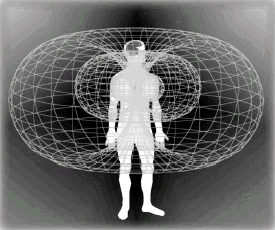
PEMF technology sends pulsing magnetic fields through your entire body, which induces micro-currents that recharge cellular membranes. This improves ion exchange and enhances the cell’s ability to produce ATP (adenosine triphosphate), your body’s primary energy currency. The resulting cellular “recharge” jumpstarts sluggish healing processes and improves overall cellular function.
FSM works differently by delivering extremely low-level electrical currents – measured in microamps, which are so small they’re typically imperceptible – at very specific frequencies. Each frequency resonates with certain types of tissue or addresses specific conditions. For example, one frequency might target inflamed nerve tissue, while another works specifically on scar tissue or muscle spasms.
The Science Behind Electromagnetic Healing
The scientific foundation for electromagnetic therapies dates back to the 1800s, but modern research has finally caught up with what early pioneers observed. We now understand that all living cells generate electromagnetic fields and communicate via bioelectrical signals. When illness or injury occurs, these fields and signals become distorted.
Studies show that both PEMF and FSM can restore normal electromagnetic patterns in damaged tissues. PEMF creates broad electromagnetic changes that support overall cellular health, while FSM’s precise frequencies resonate with specific tissues, helping to normalize disrupted electrical activity exactly where it’s needed.
This is why a combined approach often yields superior results – PEMF provides global cellular support while FSM delivers precise, targeted intervention. Think of PEMF as improving the entire cellular environment while FSM speaks directly to the injured tissues in their own unique “frequency language.”
PEMF Therapy: Benefits and Limitations
PEMF therapy has gained significant attention for its ability to enhance healing without medications or invasive procedures. The technology works by generating electromagnetic fields that penetrate deep into tissues, positively influencing cellular behavior throughout the entire body.
How PEMF Enhances Cell Function
PEMF therapy works by increasing the electrical charge of cell membranes, which improves oxygen uptake, enhances nutrient absorption, and accelerates the removal of cellular waste. When cells receive these electromagnetic pulses, they experience a gentle “exercise” that optimizes their function. This electromagnetic stimulation helps recharge depleted cells, particularly in areas of injury or chronic inflammation.
The magnetic fields generated by PEMF devices can penetrate all tissues in the body, including bone, making it effective for deep-seated conditions. This comprehensive reach is one of PEMF’s greatest strengths – it can influence cellular activity throughout the entire body simultaneously, creating a foundation for healing.
Key Health Conditions PEMF Can Help
PEMF therapy has shown promise for numerous health conditions. Research indicates effectiveness for bone healing, with studies showing accelerated recovery from fractures and improved bone density. For chronic pain sufferers, PEMF can reduce inflammation and discomfort associated with arthritis, fibromyalgia, and back pain. Many users also report improved sleep quality and reduced stress levels following regular PEMF sessions.
Beyond pain management, PEMF therapy supports circulation and wound healing by stimulating nitric oxide production, which helps dilate blood vessels. This improved blood flow delivers more oxygen and nutrients to healing tissues while removing inflammatory byproducts more efficiently. Additionally, PEMF may help regulate the autonomic nervous system, bringing better balance between sympathetic and parasympathetic functions.
Typical Results and Treatment Timeline
When using PEMF therapy alone, many patients report noticeable improvements within the first few sessions, though more significant results typically develop over time. Acute conditions may respond within days, while chronic issues often require several weeks of consistent treatment. The cumulative effect of PEMF therapy builds progressively, with many users reporting continued improvement over months of regular use.
Most PEMF protocols recommend daily sessions, particularly during initial treatment phases. Session length typically ranges from 20 minutes to 2 hours, depending on the condition being addressed and the device being used. While some people experience immediate relief after a single session, lasting changes in chronic conditions generally require a committed treatment schedule.
Limitations of PEMF-Only Treatments
Despite its broad benefits, PEMF therapy has certain limitations when used alone. The primary drawback is its non-specific nature – while it improves overall cellular function, it doesn’t target specific tissues or conditions with precision. This can make PEMF less effective for complex conditions where particular tissues need specialized support.
Another limitation is that standard PEMF frequencies may not address all aspects of a condition. While general frequencies can improve overall cellular health, they might not address the specific frequency needs of damaged tissues. This is where the addition of Frequency Specific Microcurrent can significantly enhance treatment outcomes.
Frequency Specific Microcurrent: The Missing Piece
My Favorite PEMF Therapy Device using Frequency Specific Microcurrent Protocols
A “ready-to-go” pocket sized therapy device, with 59 core protocols all preloaded
Check out The Vibe by Resona Health
Frequency Specific Microcurrent represents a fundamental advancement in electrical medicine by utilizing extremely precise frequencies to create resonant effects in specific tissues. Unlike PEMF’s broader approach, FSM delivers currents so finely tuned that they can differentiate between dozens of tissue types and conditions, providing truly customized treatment.
Why Specific Frequencies Matter for Healing
Different tissues in your body respond to distinct electrical frequencies – much like how various musical notes resonate with different objects. When tissues become damaged or diseased, their natural frequency patterns become distorted. FSM works by delivering the precise frequencies that match both the tissue type and its condition, helping restore normal electromagnetic activity.
This specificity allows practitioners to address multiple aspects of complex conditions. For example, when treating nerve pain, one frequency might reduce inflammation while another promotes nerve repair and a third addresses muscle tension surrounding the affected area. This layered approach helps resolve conditions that have been resistant to more general treatments.
The precision of FSM makes it particularly valuable for conditions with multiple contributing factors. Rather than applying a one-size-fits-all approach, FSM allows for treatment customization based on the unique characteristics of each patient’s condition. This personalization is key for resolving stubborn health issues that haven’t responded to more generalized therapies, such as fibromyalgia relief treatment.
How FSM Targets Different Tissues and Conditions
FSM operates using dual-channel frequencies – one addressing the specific tissue type (like nerve, muscle, fascia, or organ) and another targeting the condition (inflammation, scarring, circulation issues). This dual-frequency approach creates a precision impossible with single-frequency modalities. For instance, treating nerve inflammation uses different frequencies than addressing muscle inflammation, allowing for remarkable specificity.
The ability to target treatment at this level of detail means FSM can address underlying conditions rather than just symptoms. When a practitioner applies the correct frequency combinations, damaged tissues can begin returning to normal function, rather than simply masking pain or temporarily reducing inflammation.
This targeted approach makes FSM particularly effective for complex, multi-faceted conditions. Fibromyalgia, for example, might involve nerve inflammation, muscle tension, and fascial restrictions – each requiring different frequencies for optimal treatment. FSM allows practitioners to address each component systematically.
The Research on FSM Effectiveness
Clinical studies on Frequency Specific Microcurrent have shown promising results for numerous conditions. Research published in medical journals has documented FSM’s effectiveness for reducing inflammatory cytokines, decreasing pain scores, and improving functional outcomes. One particularly noteworthy study demonstrated FSM’s ability to reduce inflammation markers by up to 62% in just four hours of treatment.
The scientific literature also reveals FSM’s capacity to increase ATP production in damaged tissues by up to 500%. This dramatic increase in cellular energy helps accelerate healing processes that may have stalled due to chronic inflammation or injury. The microcurrent appears to “jump-start” cellular metabolism, providing the energy needed for repair and regeneration.
- Significant reduction in fibromyalgia symptoms after consistent FSM treatment
- Improved nerve conduction and reduced pain in peripheral neuropathy
- Accelerated healing of sports injuries when compared to standard therapies
- Reduced scar tissue and adhesions in post-surgical recovery
- Decreased inflammation markers in various chronic inflammatory conditions
Combined Power: Why PEMF with FSM Works Better
When PEMF and FSM therapies are used together, they create synergistic effects that amplify healing responses. PEMF’s ability to energize all cells creates an optimal environment for FSM’s targeted frequency effects. This combination addresses both the general cellular environment and specific tissue needs simultaneously, often yielding results neither therapy could achieve alone.
1. Enhanced ATP Production
The most dramatic benefit of combining these therapies comes from their complementary effects on cellular energy. PEMF improves overall cellular charge, enhancing the cell’s ability to produce energy. When FSM is then applied, its specific frequencies work with cells that are already “primed” for heightened response, boosting ATP production substantially more than either therapy alone.
This enhanced energy production gives cells the resources they need to accelerate healing processes, particularly in chronically depleted tissues. Patients often report feeling more energized overall while experiencing faster relief from pain and inflammation. For conditions involving cellular exhaustion, like chronic fatigue and post-viral syndromes, this combined approach can be transformative.
2. Targeted Tissue Repair
PEMF’s general cellular support combined with FSM’s precision creates ideal conditions for tissue repair and regeneration. The PEMF component ensures cells have the energy and resources needed, while FSM directs these resources toward specific repair processes. This is particularly valuable for complex injuries involving multiple tissue types, where each requires different support for optimal healing.
For example, in treating a joint injury, PEMF might improve overall circulation and cellular function in the area, while specific FSM frequencies could simultaneously address bone healing, cartilage regeneration, ligament repair, and inflammation reduction. This comprehensive approach addresses all aspects of the injury concurrently rather than sequentially.
3. Faster Pain Relief
The combination of PEMF and FSM often produces more rapid pain relief than either therapy alone. PEMF’s ability to reduce generalized inflammation creates a foundation that makes FSM’s targeted pain-relieving frequencies more effective. Many patients report that while PEMF alone reduces pain gradually, adding FSM can create noticeable relief within a single session.
This accelerated pain reduction is particularly valuable for those suffering from intense acute pain or debilitating chronic conditions. The dual-therapy approach can often reduce reliance on pain medications more quickly, allowing patients to function better while the deeper healing processes continue.
4. Improved Cellular Communication
Healthy tissues depend on efficient communication between cells. PEMF improves the electromagnetic environment that supports this communication, while FSM’s specific frequencies help restore normal signaling patterns in damaged tissues. This combination helps reestablish proper cellular dialogue, allowing tissues to coordinate healing activities more effectively. For more insights, explore the benefits of FSM and PEMF.
This improved cellular communication is especially important for neurological conditions and complex chronic syndromes. When cells can properly signal each other, immune responses become more balanced, inflammation resolves more completely, and regenerative processes proceed more efficiently.
“After years of offering both therapies separately, I’ve found that combining PEMF with frequency-specific protocols creates consistently better outcomes, especially for patients with complex conditions that haven’t responded to other approaches. The synergy between these modalities often provides the breakthrough these patients have been seeking.” – Clinical Director, The Healing Collective
5. Better Long-Term Results
Perhaps most importantly, combining PEMF with FSM typically leads to more sustainable healing outcomes. The comprehensive cellular support from PEMF helps maintain the specific improvements created by FSM, while FSM’s targeted effects help resolve the specific issues that might otherwise continue to drain cellular resources. This creates a positive cycle where improvements build upon each other rather than fading after treatment. For more insights, explore the benefits of FSM and PEMF.
Many practitioners report that patients receiving combined therapy require fewer total sessions to achieve lasting results compared to either therapy alone. This improved efficiency not only accelerates healing but also reduces the overall cost and time commitment required for treatment.
Real-World Applications: When to Choose Combined Therapy
While the combined approach offers advantages for most conditions, it’s particularly valuable for certain challenging health scenarios. Understanding when this comprehensive approach yields the greatest benefits can help you make informed decisions about your healing journey.
Chronic Pain Management
For persistent pain conditions like fibromyalgia, complex regional pain syndrome, or chronic back pain, the combined approach addresses both the general cellular depletion and the specific tissue dysfunctions. PEMF helps reduce overall inflammation and improves cellular energy, creating a foundation for FSM to address specific pain generators, whether they’re in nerves, muscles, fascia, or other tissues.
This multi-level approach is especially valuable when pain has multiple contributing factors or has been resistant to other therapies. The combination can break pain cycles that have become self-perpetuating, allowing for progressive improvement rather than temporary relief. For more information on how this can help, explore PEMF therapy for post-surgical pain relief.
Sports Injuries and Recovery
Athletes benefit tremendously from combined PEMF and FSM therapy, both for treating acute injuries and accelerating recovery between training sessions. For acute injuries like sprains, strains, and contusions, PEMF reduces overall inflammation while FSM targets specific damaged tissues, speeding healing significantly compared to either therapy alone.
In performance recovery applications, PEMF helps restore cellular energy depleted during intense exercise, while specific FSM frequencies can address micro-injuries, reduce lactic acid buildup, and relax overworked muscles. This combination helps athletes recover faster and maintain peak performance levels with less downtime.
Neurological Conditions
Conditions affecting the nervous system often respond exceptionally well to combined therapy. PEMF supports overall brain and nervous system function while FSM delivers precise frequencies that target specific aspects of neurological dysfunction. This combination has shown promise for conditions ranging from peripheral neuropathy to traumatic brain injuries, migraines, and even neurodegenerative disorders.
The nervous system’s electrical nature makes it particularly responsive to these bioelectrical therapies. By supporting both general neurological function and addressing specific dysfunctions, the combined approach can create improvements even in conditions that have been resistant to conventional treatments.
Choosing the Right PEMF Device
If you’re considering investing in PEMF technology, understanding the critical differences between systems can significantly impact your results, especially if you plan to combine it with FSM therapy.
Pre-Programmed vs. Customizable Frequencies
Many consumer PEMF devices come with pre-programmed frequencies designed for general wellness. While these can provide benefits, devices that allow for customizable frequency settings offer much greater potential when combined with FSM protocols. The ability to precisely match PEMF frequencies with FSM treatments creates stronger resonance effects and enhanced outcomes.
For serious health applications, look for PEMF systems that offer full frequency adjustability rather than just preset programs. This flexibility allows practitioners to create truly personalized protocols that address your specific condition and can be modified as your body responds to treatment.
Professional vs. At-Home Devices
Professional-grade PEMF systems typically offer greater power, more precise frequency control, and better coverage than consumer devices. While these systems represent a larger investment, they generally provide more significant therapeutic effects, especially for serious health conditions. Home-use devices, however, offer the advantage of convenience and daily application, which can be valuable for maintaining progress between professional treatments.
The ideal approach often combines professional treatments using high-end equipment with home maintenance using quality personal devices. This provides intensive therapy when needed while supporting continued healing between sessions.
What to Look for in a Quality System
When evaluating PEMF devices for use with FSM protocols, several key features deserve attention. First, frequency range and adjustability are crucial – the system should offer precise control over frequencies between 0.1 and 10,000 Hz to fully complement FSM treatments. Intensity control is equally important, as different conditions and tissues respond best to specific field strengths.
Coil quality significantly impacts treatment effectiveness. Look for systems using pure copper coils rather than aluminum, as they generate cleaner electromagnetic fields. Additionally, consider the coverage area – while local applicators work well for specific injuries, full-body mats offer more comprehensive treatment for systemic conditions.
Battery operation versus main power also matters. Battery-powered units generally produce cleaner signals with less electrical interference, though they may offer less power than plugged-in systems. The ideal device combines clean signal generation with sufficient power for therapeutic effects.
Working with a Practitioner vs. Self-Treatment
While both PEMF and FSM technologies are generally safe for home use, working with a knowledgeable practitioner offers significant advantages, especially when combining these therapies. Professional guidance ensures you’re using the most effective frequencies and protocols for your specific condition rather than relying on general recommendations.
Self-treatment works best for maintenance between professional sessions or for addressing simple, well-understood conditions. For complex or chronic health issues, professional assessment and treatment typically yield much better results, particularly when beginning combined therapy.
Benefits of Professional Assessment
Skilled practitioners can determine exactly which frequencies will benefit your specific condition through both clinical evaluation and direct testing of tissue responses. This precision is difficult to achieve through self-treatment alone. Professionals can also adjust protocols based on your body’s responses, modifying frequencies and intensities to optimize healing effects.
Additionally, practitioners with expertise in both modalities can create integrated treatment plans that leverage the strengths of each therapy in complementary ways. This synergistic approach often produces results far superior to what most people can achieve through self-directed treatment.
Working with a practitioner also provides access to professional-grade equipment that typically offers greater power, precision, and effectiveness than consumer devices. These advanced systems can deliver more intensive therapy when needed, potentially accelerating healing for stubborn conditions.
“The most significant breakthroughs we see happen when patients receive customized frequency protocols based on their unique presentation, rather than generic programs. Every person’s condition has subtle differences that respond best to specific frequency combinations. Identifying these precise frequencies is where the art and science of this work truly meet.” – Lead Clinician, The Healing Collective
Safe Self-Treatment Protocols
If you’re using PEMF and FSM at home, following established safety guidelines will help ensure positive results. Start with lower intensities and treatment durations, gradually increasing as you observe your body’s responses. Most practitioners recommend beginning with 15-20 minute sessions and extending to 30-60 minutes as tolerated.
When combining therapies at home, it’s generally best to start with PEMF to prepare tissues, followed by FSM for targeted effects. This sequence optimizes cellular response to the specific frequencies. Keep a journal of frequencies used and your responses to identify the most effective protocols for your condition.
The Future of Electromagnetic Therapies
The field of bioelectrical medicine is advancing rapidly, with ongoing research revealing new applications and refining protocols for both PEMF and FSM therapies. Current studies are exploring these technologies’ potential for neurodegenerative conditions, autoimmune disorders, and even cancer support therapies. As our understanding of the body’s bioelectrical systems deepens, these non-invasive approaches are likely to become increasingly mainstream.
Technological improvements are also enhancing treatment delivery, with more precise frequency generators, better applicators, and more sophisticated mapping of frequency effects. The growing integration of artificial intelligence may soon allow for even more personalized treatment protocols based on individual bioelectrical patterns and responses.
Frequently Asked Questions
As these therapies gain popularity, patients naturally have questions about their use, safety, and effectiveness. Here are answers to the most common inquiries about combined PEMF and FSM therapy.
Is PEMF with FSM safe for everyone?
While generally very safe, these therapies do have some contraindications. They shouldn’t be used during pregnancy, by people with pacemakers or other implanted electronic devices, or those with active cancers (unless specifically directed by an oncologist as part of a comprehensive treatment plan). Those with epilepsy should use caution and work with a knowledgeable practitioner. Always consult a healthcare provider before beginning treatment, especially if you have any significant health conditions.
How many sessions do I need before seeing results?
Response timing varies based on your condition and individual factors. Many people notice initial improvements after 1-3 sessions, especially for pain and inflammation. Deeper healing of chronic conditions typically requires consistent treatment over several weeks, with progressive improvement rather than immediate resolution. Acute injuries generally respond faster than long-standing chronic conditions, which may require 8-12 sessions before substantial improvements become stable.
Can PEMF with FSM replace my pain medication?
Many patients experience sufficient pain relief to reduce or eliminate pain medications over time, but this should always be done under medical supervision. These therapies work best as part of an integrated approach that may initially include conventional pain management while addressing the underlying causes of pain. As healing progresses, medication needs often decrease naturally. Learn more about the benefits of FSM therapy. Never discontinue prescribed medications without consulting your prescribing physician.
What’s the difference between PEMF, TENS, and FSM technologies?
TENS (Transcutaneous Electrical Nerve Stimulation) primarily blocks pain signals using relatively strong electrical currents that stimulate sensory nerves. It offers temporary pain relief but doesn’t significantly promote healing. PEMF uses pulsed magnetic fields to improve cellular function throughout tissues, working at the cellular level rather than just affecting nerve signals. FSM uses extremely low-level, specific frequency currents to resonate with particular tissues and conditions, promoting healing rather than just blocking pain.
While TENS is primarily a pain management tool, both PEMF and FSM address underlying causes of pain and dysfunction by supporting actual tissue healing and restoration of normal function. This makes them more effective for long-term resolution of health issues rather than just symptom management.
Are there any side effects of combined PEMF and FSM therapy?
Most people experience no significant side effects from these therapies. Some may notice a temporary increase in fatigue, mild detoxification symptoms, or fluctuations in pain levels as healing progresses. These reactions typically resolve within 24-48 hours and often indicate that healing processes have been activated. Staying well-hydrated before and after treatments helps minimize any detoxification effects.
When properly administered, these therapies work with your body’s natural healing mechanisms rather than forcing unnatural responses, which is why adverse effects are minimal compared to many conventional treatments. As with any therapy, individual responses vary, and working with a knowledgeable practitioner helps ensure optimal results with minimal discomfort.
For those seeking a comprehensive approach to healing that addresses both cellular environment and specific tissue needs, combined PEMF and FSM therapy represents one of the most promising developments in non-invasive bioelectrical medicine. The Healing Collective specializes in customized protocols that leverage both technologies for enhanced healing outcomes.


Leave a Reply