
Key Takeaways
- Frequency Specific Microcurrent (FSM) therapy uses targeted electrical frequencies to reduce inflammation, accelerate healing, and manage pain without medication
- PEMF therapy complements FSM by improving cellular function, enhancing circulation, and reducing inflammation at a deeper tissue level
- The combination of FSM and PEMF creates a synergistic healing effect that’s more powerful than either therapy alone
- FSM therapy has been shown to increase cellular energy (ATP) production by up to 500%, dramatically accelerating the body’s natural healing processes
Imagine being able to heal your body at the cellular level without drugs or invasive procedures. That’s exactly what Frequency Specific Microcurrent (FSM) therapy offers. This revolutionary approach to healing has been gaining significant attention in the alternative health world – and for good reason.
FSM therapy uses extremely low-level electrical currents combined with specific frequencies to target tissues and conditions with remarkable precision. Unlike conventional treatments that often mask symptoms, FSM works with your body’s natural electrical system to address the root causes of pain and dysfunction.
In this comprehensive guide, we’ll explore how FSM and its complementary therapy, Pulsed Electromagnetic Field (PEMF), are changing the landscape of pain management, injury recovery, and overall wellness. From the science behind these modalities to their real-world applications, you’ll discover why more healthcare practitioners and patients are turning to frequency-based therapies for conditions that haven’t responded to conventional treatments.
Heal Your Body at the Cellular Level: How FSM and PEMF Therapy Works
Our bodies operate on electrical systems. From nerve impulses to cellular metabolism, electricity powers virtually everything we do. When injury or disease disrupts these electrical pathways, FSM and PEMF therapies can help restore proper function through different but complementary mechanisms.
FSM therapy utilizes extremely low-level electrical currents – measured in microamps (millionths of an amp) – which are so small you typically can’t feel them during treatment. These currents are similar to your body’s natural electrical state, making them incredibly biocompatible. The magic happens when these tiny currents are paired with specific frequencies that resonate with different tissues and conditions in the body.
Think of it like this: just as a radio needs to be tuned to the right frequency to pick up a specific station, FSM uses precisely calibrated frequencies to “tune in” to different tissues and conditions. When the correct frequency matches its target, resonance occurs – amplifying the healing effect and creating changes at the cellular level that conventional treatments simply can’t achieve.
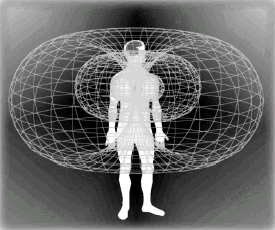
PEMF therapy works differently but complementarily, using electromagnetic pulses to penetrate deep into tissues. These pulses stimulate cellular activity, improve circulation, and create an optimal environment for healing. While FSM works primarily through electrical resonance, PEMF influences the magnetic fields around cells, helping to recharge them like tiny batteries.
7 Powerful Benefits of Frequency Specific Microcurrent (FSM) Therapy
The therapeutic applications of FSM extend far beyond basic pain relief. As research and clinical experience with this modality grow, practitioners continue to discover new ways it can benefit patients. Here are seven of the most significant benefits that make FSM a game-changer in the healing world.
1. Reduces Inflammation and Pain Without Medication
One of the most remarkable aspects of FSM therapy is its ability to reduce inflammation rapidly without the need for pharmaceutical interventions. This is particularly significant given the potential side effects and dependency issues associated with many pain medications. The specific frequencies used in FSM therapy can decrease inflammatory cytokines and increase the production of anti-inflammatory compounds naturally.
Clinical observations have shown dramatic reductions in inflammation within minutes of applying the correct frequencies. In cases of acute inflammation, visible reductions in swelling and redness can often be seen during a single treatment session. For chronic inflammatory conditions like arthritis or inflammatory bowel disease, regular FSM treatments can provide sustained relief by addressing the underlying inflammatory processes rather than just masking symptoms.
2. Accelerates Tissue Healing and Regeneration
FSM therapy has demonstrated remarkable abilities to speed healing in various tissue types. By using frequencies specific to muscle, tendon, ligament, nerve, or bone tissue, practitioners can target exactly what needs repair. This precision is what sets FSM apart from more generalized treatment approaches, offering targeted relief for conditions such as tendinitis.
Research has shown that FSM can increase the rate of ATP production (the energy currency of cells) by up to 500%. This dramatic boost in cellular energy allows tissues to repair and regenerate much more quickly than they would naturally. Athletes and active individuals particularly benefit from this accelerated healing, often returning to activity weeks ahead of standard recovery timelines.
3. Increases Energy Production in Cells
The energy enhancement effects of FSM therapy extend beyond just healing injured tissues. By stimulating mitochondria (the powerhouses of cells), FSM increases ATP production throughout the treated areas. This energy boost has systemic effects that can help with fatigue, improve overall function, and enhance cellular metabolism.
For those suffering from conditions characterized by low cellular energy, such as chronic fatigue syndrome or fibromyalgia, FSM offers a unique approach to restoring vitality at the cellular level. Many patients report significant improvements in energy levels and stamina after beginning regular FSM treatments.
4. Improves Range of Motion and Flexibility
FSM therapy excels at breaking down adhesions and scar tissue that restrict movement and cause pain. By using specific frequencies that target fibrotic tissue and adhesions, FSM can help restore normal tissue mobility and function. This benefit is particularly valuable for post-injury rehabilitation and chronic conditions where movement has been limited for extended periods.
The improvements in range of motion often occur surprisingly quickly. Many patients experience noticeable changes after just one or two sessions, even in cases where the restriction has been present for years. Physical therapists and rehabilitation specialists are increasingly incorporating FSM into their treatment protocols because of these rapid and lasting improvements in mobility.
5. Breaks Down Scar Tissue
Scar tissue forms as part of the body’s natural healing process, but excessive scarring can create numerous problems including pain, restricted movement, and impaired function. FSM therapy uses specific frequency combinations that have been shown to soften and remodel scar tissue, both externally and internally.
The frequencies work by helping to reorganize the collagen fibers in scar tissue to more closely resemble normal tissue structure. This process can help with everything from surgical scars to internal adhesions from old injuries. Many patients report that scars become less visible, less sensitive, and more pliable after FSM treatment.
6. Restores Proper Nerve Function
Nerve pain and dysfunction can be some of the most challenging conditions to treat conventionally. FSM therapy offers specific protocols for different types of nerve issues, from irritation and inflammation to actual nerve damage. The proper frequencies can calm hypersensitive nerves, reduce nerve-related pain, and support nerve regeneration.
Patients with conditions like neuropathy, sciatica, or nerve entrapment often find relief through FSM when other interventions have failed. The therapy’s ability to address both the nerve tissue itself and the surrounding tissues that may be compressing or irritating the nerve makes it uniquely effective for complex nerve conditions.
7. Enhances Detoxification at the Cellular Level
Cellular detoxification is crucial for optimal health but can be compromised by illness, environmental toxins, or poor lifestyle habits. FSM therapy supports the body’s natural detoxification processes by improving cellular metabolism and lymphatic flow. This enhanced cellular cleaning helps remove waste products and toxins that can impede healing and contribute to inflammation. For more information on how FSM therapy aids in detoxification, check out this guide on FSM therapy for constipation relief.
The detoxification effects of FSM can sometimes cause temporary healing reactions as toxins are mobilized and eliminated. Practitioners typically recommend increased water intake and sometimes specific supportive supplements to assist with this process. The end result is healthier, more efficiently functioning cells throughout the treated areas.
The Science Behind FSM: How Specific Frequencies Target Different Tissues
The effectiveness of FSM therapy lies in its precision – the ability to deliver exactly the right frequency to resonate with specific tissues or conditions. This isn’t random; it’s based on decades of clinical observation, research, and the pioneering work of practitioners like Dr. Carolyn McMakin, who revived and expanded this technology in the 1990s.
Every tissue in the body has its own unique electrical signature and resonant frequency. Muscles respond to different frequencies than nerves, which respond to different frequencies than bone or connective tissue. By carefully matching the treatment frequency to the target tissue, FSM creates a resonance effect that amplifies the healing response.
Frequency Pairs: The Key to Effective Treatment
FSM treatments typically use frequency pairs – one frequency to target a specific tissue and another to address a particular condition. For example, one frequency might target muscle tissue while another addresses inflammation in that tissue. This dual-channel approach allows for highly customized treatments that can address complex conditions with remarkable specificity.
The frequency pairs are delivered simultaneously, creating a unique resonance pattern that’s more effective than either frequency alone. This sophisticated approach allows practitioners to create precise treatment protocols for virtually any combination of tissue involvement and condition, from acute injuries to chronic degenerative issues.
How FSM Communicates With Your Cells
At the cellular level, FSM works through several mechanisms to promote healing. The specific frequencies appear to influence cell membrane receptors, ion channels, and intracellular signaling pathways. This cellular communication triggers increased ATP production, enhanced protein synthesis, improved waste removal, and normalized cell function.
Research has shown that FSM therapy can significantly increase cellular energy production within minutes of application. One study demonstrated a remarkable 500% increase in ATP production in treated tissues. This energy boost provides the resources cells need to repair damage, reduce inflammation, and restore normal function – essentially giving cells the power they need to heal themselves.
Our Favorite PEMF Therapy Device using Frequency Specific Microcurrent
A “ready-to-go” pocket sized therapy device, with 59 core protocols all preloaded
Check out The Vibe by Resona Health
PEMF Therapy: The Perfect Complement to FSM
While FSM works primarily through electrical resonance, Pulsed Electromagnetic Field (PEMF) therapy influences the body through magnetic fields. These magnetic pulses penetrate deeply into tissues, even reaching areas that might be difficult to treat with FSM alone. The complementary mechanisms of these two therapies create a synergistic effect that enhances overall healing outcomes.
PEMF therapy delivers pulsed electromagnetic fields to the body, creating a temporary increase in the voltage potential across cell membranes. This subtle but powerful effect helps restore proper cellular function, increases circulation, reduces inflammation, and accelerates healing processes. When combined with FSM, the results can be remarkably more effective than either therapy used independently. For more information, check out this guide on affordable PEMF therapy and its benefits.
What Makes PEMF Different from FSM
The primary difference between PEMF and FSM lies in the delivery method and depth of penetration. While FSM uses direct electrical current applied through contact with the skin, PEMF uses electromagnetic fields that can penetrate deeply throughout the body without direct contact. This allows PEMF to reach tissues and organs that might be difficult to target with FSM alone.
Another key distinction is that PEMF primarily affects the magnetic component of cellular function, while FSM works through electrical resonance. Cells operate using both electrical and magnetic principles, so addressing both aspects creates a more comprehensive approach to cellular health and healing.
- FSM uses direct microcurrent (electrical) delivery requiring contact with the skin
- PEMF uses electromagnetic fields that penetrate without direct contact
- FSM is highly specific to tissue types and conditions through frequency pairs
- PEMF affects all tissues within the field, though certain frequencies may be emphasized
- FSM primarily influences cellular resonance through electrical pathways
- PEMF primarily influences cellular function through magnetic field effects
The different mechanisms of action make these therapies naturally complementary. When used together, they address cellular health and function from multiple angles, creating a more comprehensive approach to healing and rehabilitation than either therapy could provide alone.
4 Main Benefits of PEMF Therapy
PEMF therapy offers several distinct benefits that make it a valuable treatment option on its own and an exceptional complement to FSM therapy. Understanding these benefits helps explain why the combination approach is gaining popularity among integrative health practitioners.
First, PEMF therapy excels at improving circulation at the microvascular level. The pulsed electromagnetic fields stimulate blood vessels to dilate and increase blood flow to tissues that may be oxygen-deprived due to injury or chronic conditions. This enhanced circulation delivers more nutrients and oxygen while removing waste products more efficiently, creating an optimal environment for healing.
Second, PEMF has been shown to enhance cellular membrane function. Cell membranes control what enters and exits cells, and their proper function is crucial for cellular health. When cell membranes become damaged or dysfunctional, PEMF therapy can help restore normal permeability and function, allowing cells to better regulate their internal environment.
Third, research has demonstrated PEMF’s ability to modulate the immune response, helping to normalize immune function that may be either overactive (as in autoimmune conditions) or underactive. This immune-balancing effect can be particularly valuable for chronic inflammatory conditions where the immune system is dysregulated.
How PEMF and FSM Work Together for Enhanced Healing
The synergistic relationship between FSM and PEMF creates what practitioners often describe as a “healing acceleration effect.” When used together, these therapies address different aspects of cellular function while supporting each other’s mechanisms of action. PEMF creates an optimal cellular environment by improving circulation and enhancing cell membrane function, while FSM delivers the precise frequencies needed to address specific tissues and conditions.
This combination approach is particularly effective for complex or stubborn conditions that haven’t responded well to single-modality treatments. The electromagnetic field generated by PEMF therapy can also help to “carry” or enhance the FSM frequencies, allowing them to penetrate more deeply and work more effectively throughout the treated area.
Health Conditions That Respond Best to FSM and PEMF
While FSM and PEMF therapies can benefit a wide range of health issues, certain conditions have shown particularly impressive response rates. Understanding which conditions respond best can help you determine if these therapies might be appropriate for your specific health concerns.
Chronic Pain Management
Chronic pain conditions often respond remarkably well to frequency-based therapies, especially when the pain has been resistant to conventional treatments. Fibromyalgia, chronic back pain, arthritis, and neuropathic pain are among the conditions that frequently show significant improvement with FSM and PEMF therapy.
The multi-mechanism approach of these therapies addresses pain through several pathways simultaneously: reducing inflammation, improving circulation, enhancing cellular energy production, and normalizing nerve function. This comprehensive approach often succeeds where single-mechanism treatments (like medications that block only one pain pathway) have failed.
Sports Injuries and Recovery
Athletes at all levels have embraced frequency-based therapies for both injury recovery and performance enhancement. Acute injuries like sprains, strains, and contusions often show dramatically accelerated healing times when treated promptly with FSM and PEMF. The therapies’ ability to reduce inflammation, increase cellular energy, and improve circulation creates ideal conditions for rapid tissue repair.
Beyond acute injuries, these therapies excel at addressing chronic overuse conditions like tendinopathies, stress fractures, and muscle imbalances. Many professional sports teams and Olympic training centers now incorporate FSM and PEMF into their standard rehabilitation and recovery protocols.
Neurological Conditions
The nervous system responds particularly well to the precise frequencies used in FSM therapy. Conditions involving nerve irritation, inflammation, or damage often show significant improvement, sometimes after just a few treatment sessions. Peripheral neuropathy, radiculopathy, complex regional pain syndrome, and even certain aspects of central nervous system conditions have demonstrated positive responses.
The combination of FSM’s specific neural frequencies with PEMF’s circulatory and cell membrane benefits creates a particularly effective approach for complex neurological conditions. Many patients report improvements not only in pain but also in sensory function, motor control, and overall neurological performance.
Inflammatory Disorders
Inflammatory conditions, whether acute or chronic, typically respond well to frequency-based therapies. The anti-inflammatory effects occur through multiple mechanisms: reducing inflammatory cytokines, improving lymphatic drainage, enhancing cellular waste removal, and normalizing immune function.
Conditions like rheumatoid arthritis, inflammatory bowel disease, and autoimmune disorders often show measurable reductions in inflammatory markers after consistent treatment. Many patients are able to reduce their reliance on anti-inflammatory medications as their symptoms improve with regular FSM and PEMF therapy.
Post-Surgical Recovery
Surgery, while often necessary, creates significant trauma to tissues. The body’s healing response to this trauma can sometimes result in excessive inflammation, pain, and scar tissue formation. FSM and PEMF therapies have shown remarkable ability to accelerate post-surgical healing while minimizing these unwanted side effects.
When initiated shortly after surgery (as soon as the surgeon approves), these therapies can reduce post-operative pain and swelling, minimize scar tissue formation, and help patients return to normal function more quickly. Many plastic surgeons and orthopedic specialists now recommend these therapies as standard parts of post-surgical protocols.
What to Expect During FSM and PEMF Treatment Sessions
If you’re considering FSM or PEMF therapy, knowing what to expect during treatment can help you feel more comfortable and prepared. While protocols may vary somewhat between practitioners, the basic treatment experience is fairly consistent.
Treatment Sensations and Experience
FSM treatments typically involve placing moistened electrode pads or wraps on the skin over the area being treated. The microcurrent is so low that most people don’t feel it at all, though some report subtle sensations like mild warmth or tingling. The most common sensation reported during FSM treatment is actually relaxation – many patients become deeply relaxed or even fall asleep during sessions.
PEMF therapy may be delivered through mats, pads, rings, or other applicators placed on or near the body. Depending on the intensity used, you might feel nothing at all or experience a gentle pulsing or tapping sensation. Some PEMF devices produce a clicking sound as they operate, but this is the device itself, not something happening in your body. For more information on how PEMF therapy can aid in drug-free relief, explore these PEMF benefits.
Treatment sessions typically last between 30 and 60 minutes, though this varies based on the condition being treated and the specific protocols being used. Most patients find the treatments pleasant and relaxing, often describing a sense of well-being that continues after the session ends.
Typical Treatment Protocols
For acute conditions like recent injuries or post-surgical recovery, treatments are typically recommended 2-3 times per week initially, with frequency decreasing as improvement occurs. These conditions often respond quickly, sometimes showing significant improvement after just 1-3 sessions.
Chronic conditions generally require more consistent treatment over a longer period. A typical protocol might involve 2-3 sessions per week for 4-6 weeks, followed by a reassessment and adjusted treatment plan. Some chronic conditions may require ongoing maintenance treatments to sustain improvements, though usually at reduced frequency.
The specific frequencies and settings used during treatment are highly customized based on your condition, the tissues involved, and your individual response to previous sessions. Practitioners typically adjust these parameters throughout your course of treatment to optimize results.
How Soon You’ll See Results
The timeline for noticeable improvement varies considerably depending on your condition and individual factors. Acute inflammatory conditions often show measurable improvement during the very first session, with reduced pain and swelling sometimes visible within minutes of applying the correct frequencies. For these conditions, significant improvement typically occurs within 1-3 sessions.
Chronic conditions generally require more treatments before substantial improvement is noticed, though many patients report feeling some positive changes after the first few sessions. For long-standing chronic issues, a fair trial would typically involve at least 6-8 sessions before determining effectiveness, though partial improvements are often seen earlier. For those dealing with tendinitis, PEMF therapy offers drug-free relief that may enhance treatment outcomes.
Home vs. Clinical FSM and PEMF Options
Both FSM and PEMF therapies are available in clinical settings and as home-use devices, though with significant differences in capability, complexity, and cost. Understanding the advantages and limitations of each approach can help you make an informed decision about which option might be best for your specific situation.
Professional Treatment Advantages
Clinical FSM and PEMF treatments offer several distinct advantages over home-use options. Professional equipment is typically more powerful, more versatile, and capable of delivering more precisely targeted frequencies than home units. This advanced capability can be particularly important for complex or stubborn conditions that require specific frequency combinations.
Perhaps even more valuable than the equipment itself is the expertise of trained practitioners. Properly trained clinicians have in-depth knowledge of which frequency combinations work best for different conditions, how to adapt protocols based on individual responses, and how to recognize and address healing reactions that sometimes occur during treatment.
Professional treatments also offer the advantage of comprehensive care. Practitioners can combine FSM and PEMF with other complementary therapies, provide guidance on supportive nutrition and lifestyle factors, and adjust treatment strategies based on your progress. This integrated approach often produces better results than single-modality treatment.
Additionally, professional treatments allow you to experience the therapies before investing in home equipment. This can be valuable both for determining if the therapies are effective for your condition and for understanding what type of home equipment might be most beneficial if you decide to pursue that option.
Patient Experience: Sarah’s Recovery Story
“After 12 years of chronic back pain and failed treatments including surgery, pain management, and various therapies, I was skeptical that anything could help. My first FSM/PEMF combination treatment produced a 50% reduction in pain that lasted three days. After eight weeks of treatment, I was pain-free for the first time in over a decade. I now use a home unit for maintenance and have remained essentially pain-free for over two years.” – Sarah M., chronic pain patient at Resonant Equus
Home Devices: What to Look For
Home-use FSM and PEMF devices have become increasingly available and affordable in recent years. These devices typically offer fewer frequency options and less power than professional equipment, but can still provide significant benefits, particularly for maintenance between professional treatments or for managing chronic conditions that have already shown positive response to clinical therapy.
When considering a home device, look for units that offer true frequency-specific capabilities rather than simple TENS-type functions. Quality home FSM devices should offer specific frequency pairs known to be effective for your condition, while home PEMF units should provide adjustable intensity levels and treatment programs designed for your specific needs. Most importantly, seek guidance from a trained practitioner before purchasing, as they can recommend appropriate devices and provide instructions for optimal use based on your specific condition.
Start Your Healing Journey Today: Next Steps for Natural Recovery
If you’re dealing with chronic pain, injury recovery, or inflammatory conditions that haven’t responded adequately to conventional treatments, frequency-based therapies could offer the breakthrough you’ve been seeking. The combination of FSM and PEMF therapies provides a comprehensive approach to cellular healing that addresses multiple aspects of tissue dysfunction simultaneously, often succeeding where single-approach treatments have failed. Resonant Equus specializes in these cutting-edge frequency therapies and can help guide you through your healing journey with personalized treatment plans designed for your specific condition.
Frequently Asked Questions
As with any emerging therapy, people naturally have questions about FSM and PEMF treatments. Here are answers to some of the most common questions we receive from patients considering these therapies.
Is FSM or PEMF therapy painful?
No, neither FSM nor PEMF therapy is painful. FSM uses such low-level currents that most people don’t feel them at all. The most common sensation during FSM treatment is actually relaxation, with many patients becoming drowsy or even falling asleep during sessions. Some people report subtle sensations like mild warmth or tingling, but these are typically pleasant rather than uncomfortable.
PEMF therapy may produce mild sensations like gentle pulsing or tapping, depending on the intensity used, but these sensations are not painful. Many patients report a pleasant sense of relaxation and improved well-being during and after PEMF sessions. Both therapies are designed to be comfortable and non-invasive healing modalities.
How many FSM or PEMF sessions will I need to see results?
The number of sessions required varies considerably depending on your condition, how long you’ve had it, and individual factors affecting healing. Acute conditions like recent injuries often show significant improvement within 1-3 sessions, while chronic conditions typically require more consistent treatment over time, often 8-12 sessions before maximum benefit is achieved. Your practitioner will assess your response after your initial sessions and provide a more specific treatment plan based on your progress.
Are there any side effects of frequency-based therapies?
Both FSM and PEMF are considered very safe therapies with minimal risk of adverse effects. The most common reaction is a temporary increase in fatigue after treatment, particularly in the first few sessions. This fatigue typically resolves quickly and is often followed by improved energy levels as treatment progresses. For more information on the benefits of these therapies, you can explore their allergies relief techniques and benefits.
Some patients experience what practitioners call a “healing reaction” – temporary intensification of symptoms or detoxification effects like mild headache or increased urination. These reactions are generally mild, short-lived, and actually indicate that the body is responding to treatment. Staying well-hydrated before and after sessions helps minimize these effects.
Unlike many conventional treatments, FSM and PEMF do not have long-term negative side effects and do not create dependency or tolerance issues. This makes them suitable for long-term management of chronic conditions when needed.
Can I combine FSM and PEMF with other treatments?
Yes, FSM and PEMF therapies work very well as complementary approaches alongside most other treatments. They can enhance the effectiveness of physical therapy, chiropractic care, massage therapy, and acupuncture. They can also be used alongside conventional medical treatments in most cases, though you should always inform all your healthcare providers about the complete range of treatments you’re receiving.
The only significant contraindication is that FSM should not be used directly over implanted electrical devices like pacemakers or spinal cord stimulators. PEMF also has some restrictions regarding certain implanted devices, though these vary depending on the specific device and PEMF equipment being used. Always provide your practitioner with complete information about any implanted devices or current medical conditions before beginning treatment.
Are FSM and PEMF therapies covered by insurance?
Insurance coverage for FSM and PEMF therapies varies widely depending on your insurance provider, policy details, and the specific condition being treated. Some insurance plans cover these therapies when they’re provided by certain types of practitioners (like physical therapists or chiropractors) as part of a comprehensive treatment plan. Medicare generally does not cover these therapies when provided as standalone treatments.
Many practitioners offer FSM and PEMF on a cash-pay basis, with session costs typically ranging from $75-$150 depending on duration and whether the therapies are combined with other modalities. Some clinics offer package pricing for multiple sessions, which can reduce the per-session cost.
For patients with Health Savings Accounts (HSAs) or Flexible Spending Accounts (FSAs), these therapies are often eligible expenses when prescribed by a physician for a specific medical condition. Always check with your account administrator to confirm eligibility.
- Verify insurance coverage with your provider before beginning treatment
- Ask about package pricing if multiple sessions are recommended
- Inquire about HSA/FSA eligibility if you have these accounts
- Consider the cost-benefit compared to other treatments you’ve tried
- Remember that even without insurance coverage, these therapies may be more cost-effective than ongoing medication or invasive procedures
Frequency-specific therapies represent a paradigm shift in how we approach healing – working with the body’s own electrical and magnetic systems rather than overriding them with pharmaceutical interventions. As research continues to validate the effectiveness of these approaches, they’re moving from “alternative” to mainstream, offering hope to patients who haven’t found relief through conventional methods alone.
The combination of FSM and PEMF therapies provides a comprehensive approach to cellular healing that addresses multiple aspects of tissue dysfunction simultaneously. This synergistic effect often produces results that exceed what either therapy could achieve independently, creating new possibilities for those dealing with chronic pain, inflammatory conditions, and injuries.
Frequency Specific Microcurrent (FSM) and Pulsed Electromagnetic Field (PEMF) therapies are gaining popularity for their potential health benefits. These non-invasive treatments are being explored for various conditions, including pain management, inflammation reduction, and improved circulation. For instance, PEMF therapy for asthma has shown promising results in alleviating symptoms and improving respiratory function. As research continues, more people are turning to these innovative therapies as complementary options for enhancing their well-being.


Leave a Reply