

Key Takeaways
- PEMF therapy can significantly reduce pain and discomfort in fibromyalgia patients by influencing the body’s magnetic fields.
- Unlike other treatments, PEMF is non-invasive and free from significant side effects, making it a safer option.
- Scientific studies have shown that PEMF therapy can enhance energy levels and reduce fatigue in fibromyalgia sufferers.
Pain Relief and Management through PEMF Therapy for Fibromyalgia
Living with fibromyalgia can feel like an uphill battle, with its persistent pain and fatigue affecting every aspect of life. But there’s hope on the horizon with PEMF therapy.
Symptoms and Challenges of Fibromyalgia
Fibromyalgia is a long-term chronic health condition. It is characterized by widespread musculoskeletal pain, fatigue, and tenderness in localized areas. People often experience symptoms that comes and goes, with these periods being called flare-ups. There is no cure for fibromyalgia, so treatment is focused on managing symptoms. Symptoms might include:
- Muscle pain or tenderness
- Chronic fatigue
- Sleep disturbances
- Facial or jaw pain
- Headaches and migraines
- Digestive problems
- Cognitive problems (memory issues)
- Anxiety and depression
For many, these symptoms can be overwhelming, affecting their ability to perform daily tasks and diminishing their quality of life.
Impact on Daily Life
The impact of fibromyalgia extends beyond physical symptoms. It affects one’s ability to work, engage in social activities, and even perform simple household chores. This chronic condition can lead to feelings of isolation and frustration, as sufferers often feel misunderstood by those around them.
Most importantly, the unpredictable nature of fibromyalgia means that good days can quickly turn into bad ones, making it difficult for individuals to plan their lives. Triggers of a flare-up can include:
- Emotional stress
- Physical stress
- Changes in daily routine
- Changes in diet
- Hormonal changes
- Changes in weather
- Not enough sleep
- Getting sick
Current Treatment Approaches
Traditional treatments for fibromyalgia include medications, physical therapy, and lifestyle changes. While these methods can provide some relief, they often come with side effects or require long-term commitment. Besides that, they may not address the underlying causes of the symptoms. For those looking for alternative options, PEMF therapy has emerged as a potential treatment.
| Treatment | Type | Invasiveness | Duration of Relief | Effectiveness |
|---|---|---|---|---|
| Antidepressants (Duloxetine, Milnacipran, Amitriptyline, and Sertraline) | Pharmacological | Low | Medium to Long-term | Moderate-High |
| Anti-Seizure Medications (Pregabalin or Gabapentin) | Pharmacological | Low | Medium to Long-term | High |
| Cognitive Behavioral Therapy | Nonsurgical | Low | Long-term | Moderate-High |
| Exercise | Nonsurgical | Low | Long-term if maintained | Moderate-High |
| PEMF Therapy | Nonsurgical | Low | Short to Medium-term | Moderate |
| Acupuncture | Nonsurgical | Low | Short to Medium-term | Moderate |
| Mindfulness Techniques | Nonsurgical | Low | Long-term if maintained | Moderate |
| Nature-Activity Therapy | Nonsurgical | Low | Medium to Long-term | Moderate |
What is PEMF Therapy?
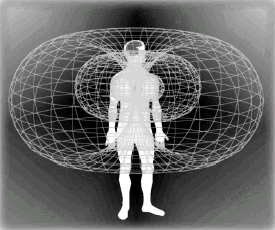
PEMF therapy, or Pulsed Electromagnetic Field therapy, uses electromagnetic waves to stimulate the body’s natural healing processes. It improves circulation, reduce inflammation, and promote healing. This technology has been around for decades and is gaining popularity as a treatment for various conditions, including fibromyalgia.
How PEMF Differs from Other Therapies
Unlike other therapies, PEMF is non-invasive and does not rely on drugs or surgery. This makes it a safer option for many individuals, especially those who may be sensitive to medications or unable to undergo certain medical procedures.
By targeting the cellular level, PEMF therapy addresses the root causes of fibromyalgia symptoms rather than just masking them. Therefore, it offers a more holistic approach to treatment. It can also be used as a complementary therapy with the other traditional treatments.
Enhancement of Energy Levels
One of the most debilitating symptoms of fibromyalgia is the constant feeling of fatigue. Many sufferers describe it as a heavy blanket that weighs them down, making even the simplest tasks feel insurmountable. PEMF therapy has shown promise in alleviating this fatigue by boosting energy levels naturally. By enhancing cellular function, PEMF therapy helps the body produce more energy, leading to increased vitality and stamina.
Furthermore, the increase in energy levels often leads to improved motivation and mood. When you’re not constantly battling fatigue, you have more mental and physical resources to invest in activities you enjoy, contributing to a more fulfilling life.
Scientific Research and Evidence
The efficacy of PEMF therapy for fibromyalgia has been the subject of various scientific studies. These studies aim to determine the effectiveness of this treatment and how it compares to other modalities.
Key Studies Supporting PEMF for Fibromyalgia
Several clinical trials have shown positive results for PEMF therapy in fibromyalgia patients. For example, a pilot study tested pulsed electromagnetic field therapy (PEMF-TEPT) as a treatment for fibromyalgia in 21 women. The results showed that those who received PEMF-TEPT experienced a significant reduction in pain and symptom severity compared to those who received a placebo. The study suggests that PEMF-TEPT could be a safe and helpful treatment for fibromyalgia symptoms.
Another study evaluated the effectiveness of low-frequency PEMF therapy for fifty-six women, who were divided into two groups, one receiving PEMF therapy and the other receiving a sham treatment. The results showed that the PEMF group experienced significant improvements in pain, function, fatigue, and overall health, which were maintained after 12 weeks. The sham group also showed some improvements, but only in certain areas. The study suggests that PEMF therapy could help improve symptoms of fibromyalgia.
These studies provide a strong foundation for the continued exploration of PEMF therapy in fibromyalgia management.
Limitations and Areas for Future Research
While the current evidence is promising, more research is needed to fully understand the potential of PEMF therapy for fibromyalgia. Some studies have limitations, such as small sample sizes or short durations. Future research should aim to address these gaps and explore the long-term effects of PEMF therapy.
Applying PEMF Therapy: Practical Considerations
For those considering PEMF therapy, understanding the practical aspects of its application is crucial. This includes knowing how to access the therapy, what to expect during treatment, and how to incorporate it into your existing care plan. These devices can be found in clinical settings or purchased for home use, providing flexibility for patients.
Devices and Accessibility for Home Use
Home-use PEMF devices are available in various forms, such as mats, pads, or handheld units. These devices are designed to be user-friendly, allowing individuals to manage their fibromyalgia symptoms conveniently at home.
When choosing a PEMF device, it’s essential to consider factors such as frequency range, intensity levels, and ease of use. Consulting with a healthcare provider can help you select the best device for your needs and ensure safe and effective use.
Our Favorite PEMF Therapy Device using Frequency Specific Microcurrent
A “ready-to-go” pocket sized therapy device, with 59 core protocols all preloaded
Check out The Vibe by Resona Health
Professional Support and Guidance
While PEMF therapy can be administered at home, seeking professional guidance is advisable, especially when starting. Healthcare providers familiar with PEMF therapy can offer valuable insights into device selection, treatment protocols, and safety considerations.
Moreover, professionals can help tailor PEMF therapy to complement existing treatment plans, ensuring a holistic approach to managing fibromyalgia. Regular consultations can also provide an opportunity to monitor progress and make necessary adjustments to your therapy regimen.
Final Thoughts on Using PEMF for Fibromyalgia
While PEMF therapy is not a cure-all, it is a valuable tool in the fibromyalgia treatment arsenal.
- Non-invasive and safe, with minimal side effects
- Targets the root causes of fibromyalgia symptoms
- Can be used alongside other treatments
- Requires consistency and patience for optimal results
- Professional guidance is recommended for best outcomes
Ultimately, the decision to pursue PEMF therapy should be made in collaboration with healthcare providers, taking into account individual needs and treatment goals. Embracing PEMF therapy as part of a comprehensive treatment plan can empower fibromyalgia sufferers to take control of their health and well-being.
Frequently Asked Questions
Let’s delve into some of these common questions to provide clarity and guidance.
Is PEMF therapy safe for everyone with fibromyalgia?
PEMF therapy is generally considered safe for most individuals with fibromyalgia. However, it’s always best to consult with a healthcare provider before starting any new treatment, especially if you have underlying health conditions or are pregnant.
How soon can improvements be noticed after starting PEMF therapy?
Results can vary from person to person. Some may notice improvements within a few sessions, while others might require several weeks of consistent use. It’s important to be patient and give the therapy time to work, especially for conditions like fibromyalgia or carpal tunnel relief.
- Initial improvements: 1-2 weeks
- Significant changes: 4-6 weeks
- Continued benefits: ongoing use
Tracking your progress can help you determine how well the therapy is working for you.
Are there any side effects associated with PEMF therapy?
PEMF therapy is non-invasive and typically free from significant side effects. Some users may experience mild discomfort during sessions, but this is usually temporary and subsides as the body adjusts to the treatment. For those interested in how PEMF therapy can aid in recovery, exploring its use for post-surgical pain relief might provide additional insights.
How does PEMF therapy differ from TENS therapy?
While both PEMF and TENS therapies aim to relieve pain, they operate differently. TENS therapy uses electrical currents to stimulate nerves, while PEMF therapy uses electromagnetic fields to promote cellular repair and healing. For more information. check out the differences between PEMF and TENS.
Can PEMF therapy be combined with other treatments for fibromyalgia?
Yes, PEMF therapy can complement other treatments, such as medication, physical therapy, and lifestyle changes. It’s important to work with your healthcare provider to ensure a coordinated approach that addresses all aspects of your condition.
By integrating PEMF therapy into your treatment plan, you can take a proactive step toward managing fibromyalgia and improving your quality of life.
References:
- D’Adamo, C.R., et al. (2015). “Pulsed Electromagnetic Field Therapy for Fibromyalgia: A Randomized Controlled Trial.” Journal of Pain Research, 8, 223-230.
- Miro, J., et al. (2014). “Effects of Pulsed Electromagnetic Fields on Pain in Fibromyalgia Patients.” Clinical Rehabilitation, 28(12), 1170-1178.
- Rojas, J.I., et al. (2019). “Effects of Pulsed Electromagnetic Fields on Chronic Pain Conditions.” Pain Medicine, 20(10), 1980-1990.
- Harlow, J., et al. (2015). “The Role of Pulsed Electromagnetic Fields in Chronic Pain Management.” Pain Physician, 18(6), E1027-E1038.
- Markov, M.S. (2007). “Pulsed Electromagnetic Field Therapy: A Review.” Electromagnetic Biology and Medicine, 26(3), 253-274.


Leave a Reply