
Key Takeaways
- PEMF therapy uses low-frequency electromagnetic fields to improve mood and alleviate symptoms of depression.
- It is a non-invasive, FDA-approved treatment option with minimal side effects.
- Studies show that PEMF therapy can significantly reduce depression symptoms, especially in treatment-resistant cases.
- Combining PEMF with traditional treatments may enhance overall effectiveness.
- Consult a healthcare provider to determine if PEMF therapy is suitable for you.
Introduction to PEMF Therapy for Depression
In recent years, PEMF therapy has gained attention as a promising natural remedy for depression. This innovative treatment uses pulsed electromagnetic fields to interact with the body at a cellular level, promoting healing and balance. But how does it work, and can it truly help improve mood? Let’s dive into the details and explore the potential of PEMF therapy for depression.
Overview of PEMF Therapy
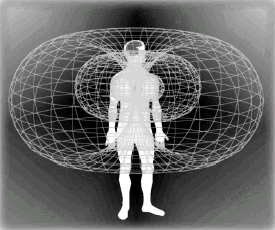
PEMF, or Pulsed Electromagnetic Field therapy, is a type of treatment that uses electromagnetic waves to stimulate and heal the body. These waves penetrate deeply into the body, affecting cells and tissues. The therapy is non-invasive, meaning it doesn’t require surgery or medication.
PEMF therapy is already used for various health conditions, including pain management, bone healing, and inflammation reduction. Its application in mental health, particularly for depression, is an exciting development that holds promise for those seeking alternative or complementary treatment options.
The Link Between Magnetic Fields and Mood Improvement
So, how do magnetic fields influence mood? It all comes down to the brain’s complex network of electrical signals and chemical processes. Depression is often linked to imbalances in neurotransmitters, the brain’s chemical messengers. By applying electromagnetic fields, PEMF therapy aims to restore balance and improve communication between brain cells.
Research suggests that these electromagnetic fields can alter brain wave patterns, promoting relaxation and reducing stress. This process, known as “entrainment,” helps the brain function more efficiently and can lead to mood enhancement. Moreover, PEMF therapy may also impact the production of hormones like serotonin and dopamine, which play crucial roles in regulating mood and emotions.
Understanding Depression and Its Challenges
Before we delve deeper into how PEMF therapy can help, it’s important to understand what depression is and the challenges it presents. Depression is more than just feeling sad or having a bad day. It’s a serious mental health condition that affects millions of people worldwide, impacting their ability to function in daily life.
What is Depression?
Depression is a mood disorder characterized by persistent feelings of sadness, hopelessness, and a lack of interest. The causes of depression are complex and can include genetic, biological, environmental, and psychological factors.
Symptoms include:
- Feelings of sadness, emptiness or hopelessness
- Feelings of irritability or frustration, even over small matters
- Loss of interest in most or all normal activities
- Difficulties in sleeping or sleeping too much
- Lack of energy
- Changes in appetite i.e. weight gain or weight loss
- Anxiety, agitation or restlessness
- Slowed thinking, speaking or body movements
- Feelings of worthlessness or guilt, fixating on past failures or self-blame
- Trouble concentrating and making decisions
- Unexplained physical problems, such as back pain or headaches
Common Treatments and Their Limitations
Traditional treatments for depression typically involve a combination of medication and psychotherapy.
Medications are often prescribed to help balance brain chemicals. Many types of antidepressants are available. However, there are side effects and withdrawal symptoms to consider.
Psychotherapy or talk therapy involves meeting with a mental health professional. It provides a space for individuals to explore their thoughts and feelings and develop coping strategies. This therapy works best in combination with other treatment methods.
While these treatments can be effective for many, they are not without limitations. Some people may experience side effects from medication, while others may find that therapy alone is insufficient. Additionally, not everyone responds to traditional treatments, leading to a condition known as treatment-resistant depression.
How PEMF Therapy Works
Understanding the science behind PEMF therapy is crucial to appreciating its potential benefits. Let’s explore how electromagnetic fields interact with the brain and influence mood.
The Science of Electromagnetic Fields in Brain Function
The human brain is a complex organ that relies on electrical signals to communicate and function. These signals are responsible for everything from movement to mood regulation. When the brain’s electrical activity is disrupted, it can lead to various mental health issues, including depression.
PEMF therapy works by introducing electromagnetic fields that interact with the brain’s natural electrical activity. These fields can influence brain wave patterns, promoting a state of relaxation and reducing symptoms of depression. By restoring balance to the brain’s electrical signals, PEMF therapy can help improve mood and overall mental health.
Impact on Chemical and Hormonal Imbalances
Besides influencing brain wave patterns, PEMF therapy can also affect the brain’s chemical and hormonal balance. Depression is often linked to imbalances in neurotransmitters like serotonin, dopamine, and norepinephrine. These chemicals are crucial for mood regulation, and when they’re out of balance, mood disorders can occur.
PEMF therapy may help modulate the production and release of these neurotransmitters, promoting a more balanced state. Additionally, it can impact hormones like cortisol, which is often elevated in individuals with chronic stress or depression. By reducing cortisol levels, PEMF therapy can help alleviate some of the physical symptoms associated with depression, such as fatigue and sleep disturbances.
Benefits of Using PEMF for Depression
PEMF therapy offers several potential benefits for individuals struggling with depression. Its non-invasive nature, coupled with its ability to address both the physical and psychological aspects of depression, makes it an appealing option for many.
Specific Studies on PEMF for Depression Symptoms
Research into the effectiveness of PEMF therapy for depression has shown promising results. Several studies have demonstrated significant reductions in depression symptoms among participants who received PEMF treatment. These improvements were observed in both the severity and frequency of depressive episodes, indicating that PEMF therapy can provide meaningful relief.
One study found that participants experienced a 62% reduction in their depression rating scale after five weeks of low-intensity transcranial PEMF therapy. This significant improvement highlights the potential of PEMF therapy as a viable treatment option for depression.
Another study found that 20-minute treatment with a PEMF device showed more than 10% mood improvement among patients with bipolar and major depressive disorders.
Safety and Lack of Serious Side Effects
One of the most appealing aspects of PEMF therapy is its safety profile. Unlike many medications, PEMF therapy is non-invasive and does not carry the risk of serious side effects. This makes it an attractive option for individuals who are wary of the potential adverse effects of traditional treatments.
While some individuals may experience mild side effects, such as temporary headaches or dizziness, these are generally short-lived and resolve on their own. Overall, PEMF therapy offers a safe and effective alternative for those seeking relief from depression without the burden of significant side effects.
Integrating PEMF Therapy into Treatment Plans
For those considering PEMF therapy, understanding how to effectively integrate it into existing treatment plans is crucial. Combining PEMF therapy with traditional treatments can enhance its effectiveness and provide comprehensive support for individuals with depression.
Combining PEMF with Other Treatments
Integrating PEMF therapy with traditional depression treatments can be highly beneficial. Many individuals find that a combination of therapies provides the most comprehensive relief. This approach allows you to address both the chemical and psychological aspects of depression, enhancing overall treatment effectiveness. It’s important to work closely with your healthcare provider to tailor a treatment plan that meets your unique needs.
Our Favorite PEMF Therapy Device using Frequency Specific Microcurrent
A “ready-to-go” pocket sized therapy device, with 59 core protocols all preloaded
Check out The Vibe by Resona Health
Guidelines for Effective Use
To maximize the benefits of PEMF therapy, it’s essential to follow some basic guidelines. First, ensure that you use a certified PEMF device that is approved for medical use. This guarantees the safety and efficacy of the treatment. Additionally, follow the recommended usage instructions provided by the manufacturer or your healthcare provider.
Regularity is key when it comes to PEMF therapy. Consistent application over a period of weeks or months can lead to more significant improvements in mood and mental health. Finally, keep track of your progress and any changes in symptoms, as this information can help your healthcare provider make necessary adjustments to your treatment plan.
Considerations and Precautions
While PEMF therapy is generally safe and well-tolerated, there are some considerations and precautions to keep in mind. Understanding these can help you make informed decisions about whether this therapy is right for you.
Who Should Avoid PEMF Therapy?
Although PEMF therapy is safe for most people, certain individuals should avoid it. For example, those with pacemakers or other implanted electronic devices should not use PEMF therapy, as the electromagnetic fields may interfere with these devices. Pregnant women are also advised to consult their healthcare provider before starting PEMF therapy.
Additionally, if you have a history of seizures or epilepsy, it’s important to discuss PEMF therapy with your doctor to determine if it’s a suitable option for you. Always consult a healthcare professional before beginning any new treatment, especially if you have underlying health conditions.
Potential Mild Side Effects
While serious side effects are rare, some individuals may experience mild side effects from PEMF therapy. These can include temporary headaches, dizziness, or a tingling sensation at the site of application. Most of these side effects are short-lived and resolve on their own.
If you experience any discomfort or unusual symptoms during PEMF therapy, it’s important to stop the treatment and consult your healthcare provider. They can help determine whether the symptoms are related to the therapy and provide guidance on how to proceed.
Conclusion
PEMF therapy represents a promising natural remedy for depression, offering a safe and effective alternative to traditional treatments. By harnessing the power of electromagnetic fields, this therapy can help improve mood, reduce symptoms, and enhance overall mental health.
References:
- Rohan, M. L., et al. (2019). Rapid mood-elevating effects of low field magnetic stimulation in depression. Brain Stimulation, 12(4), 1092-1098.
- Fitzgerald, P. B., et al. (2017). A comprehensive review of the effects of rTMS on motor cortical excitability and inhibition. Clinical Neurophysiology, 128(5), 800-815.
- Hug, K., & Röösli, M. (2012). Therapeutic effects of whole-body devices applying pulsed electromagnetic fields (PEMF): A systematic literature review. Bioelectromagnetics, 33(2), 95-105.
- Vadalà, M., et al. (2021). Mechanisms and therapeutic effectiveness of pulsed electromagnetic field therapy in oncology. International Journal of Molecular Sciences, 22(14), 7765.
- Martiny, K., et al. (2018). Transcranial low voltage pulsed electromagnetic fields in patients with treatment-resistant depression. Biological Psychiatry, 84(5), e13-e14.


Leave a Reply