
- Your vagus nerve controls your heart rate, digestion, immune response, and stress recovery — when it’s dysregulated, everything from your mood to your gut pays the price.
- FSM (Frequency Specific Microcurrent) uses targeted electrical frequencies — like 396 Hz for nerve tissue and 40 Hz for inflammation — to directly stimulate and restore vagal tone without you feeling a thing.
- PEMF (Pulsed Electromagnetic Field) therapy recharges nerve cell membranes and works alongside FSM to reset your autonomic nervous system from a different angle.
- Conditions like long-COVID, PTSD, fibromyalgia, IBS, and chronic anxiety all share a common thread: a damaged or dysregulated vagus nerve — and both FSM and PEMF directly address this root cause.
- Keep reading to learn exactly which frequency pairs are used in vagus nerve FSM protocols, what body areas are targeted, and how to combine these therapies for maximum impact.
Your vagus nerve isn’t just another nerve — it’s the command center of your body’s ability to rest, repair, and recover. When it goes offline, chronic illness often follows.
This is the forefront of applying FSM and microcurrent techniques to vagus nerve support, combining cutting-edge bioenergetic tools with hands-on therapeutic care. Understanding how these technologies work gives you a real advantage in navigating your own healing.
Your Vagus Nerve Is the Master Switch for Healing
Think of your vagus nerve as the body’s most powerful internal communication highway. It runs from your brainstem all the way down through your neck, chest, and abdomen, touching nearly every major organ along the way. Its job is to keep you in a state of balance — regulating your heart rate, triggering digestion, managing inflammation, and signaling your brain about what’s happening in your body.
What the Vagus Nerve Actually Controls in Your Body
The vagus nerve is the tenth cranial nerve and the longest in the autonomic nervous system. It carries roughly 80% of its signals upward — from your organs to your brain — which means your gut, heart, and lungs are constantly reporting to headquarters. It directly governs:
- Heart rate and heart rate variability (HRV)
- Digestive enzyme release and gut motility
- Inflammatory cytokine regulation
- Laryngeal and pharyngeal muscle control (voice, swallowing)
- Respiratory rate and depth
- Immune system modulation via the cholinergic anti-inflammatory pathway
When your vagal tone is strong, your body shifts easily between states of activation and rest. When it’s weak, you get stuck — either locked in a chronic stress response or collapsed into exhaustion. Learn more about vagus nerve support and how to naturally reset your nervous system.
High vs. Low Vagal Tone: What the Difference Feels Like
High vagal tone means your nervous system is flexible and resilient. You recover from stress quickly, sleep deeply, digest well, and feel emotionally regulated. Low vagal tone is the opposite — your system is either hyperactivated (anxious, inflamed, reactive) or shut down (fatigued, dissociated, foggy).
Low vagal tone shows up physically too: slow gut motility, poor heart rate variability, elevated inflammatory markers, and a blunted stress recovery response. Clinicians increasingly use HRV — heart rate variability — as a measurable proxy for vagal tone, since the two are directly correlated.
Why Chronic Stress, Trauma, and Illness Knock It Off Balance
Prolonged stress floods the body with cortisol and keeps the sympathetic nervous system switched on. Over time, this suppresses the vagus nerve’s parasympathetic activity, essentially wearing down its ability to function. Trauma — especially early life trauma — physically alters vagal pathways, as does viral illness. Long-COVID in particular has been linked to vagal nerve damage and dysfunction, explaining many of its most debilitating symptoms including breathlessness, fatigue, and heart rate irregularities.
What Is Frequency Specific Microcurrent (FSM)?
FSM is a therapeutic technology that delivers ultra-low electrical currents — measured in microamperes — to specific tissues in the body using precise frequency combinations. It was developed by Dr. Carolyn McMakin in the 1990s based on older frequency-based medical devices, and it has since built a substantial evidence base in the treatment of nerve pain, inflammation, and tissue repair.
How FSM Mimics Your Body’s Natural Electrical Signals
Every cell in your body runs on electricity. Nerve impulses, tissue repair, immune signaling — all of it depends on electrochemical gradients across cell membranes. FSM works by delivering currents in the range of 20–500 microamperes, which closely mirrors the body’s own endogenous bioelectrical activity. This is fundamentally different from stronger electrical therapies — the current is so low it doesn’t override your biology, it speaks its language. For more insights, explore how FSM and PEMF synergy enhances benefits.
FSM devices deliver two simultaneous channels of frequency. The first channel targets the condition being treated (e.g., inflammation, scar tissue, nerve dysfunction), and the second targets the tissue where treatment is needed (e.g., the vagus nerve, the spinal cord, the diaphragm). When the right combination is used on the right tissue, cellular ATP production has been shown to increase by up to 500%, dramatically accelerating healing processes.
Why FSM Feels Like Nothing but Works at a Cellular Level
Most people are surprised to learn they feel almost nothing during an FSM session. That’s by design. The microampere currents sit well below the sensory threshold — you won’t feel a buzz, a tingle, or a contraction. What you might feel is a spreading warmth, a sudden heaviness, or a deep relaxation response as your parasympathetic nervous system begins to engage.
At the cellular level, the effects are measurable. FSM has been documented to reduce inflammatory cytokines, increase endorphin production, restore membrane potential in damaged nerves, and improve tissue oxygenation. For vagus nerve applications specifically, the sub-sensory stimulation is an advantage — it allows the nervous system to receive input without triggering a defensive or reactive response.
How FSM Differs From TENS and Other Electrical Therapies
TENS (Transcutaneous Electrical Nerve Stimulation) works by overpowering pain signals with a stronger electrical input — you feel it working because it needs to be above your sensory threshold to block pain. FSM operates at a completely different scale, roughly 1,000 times lower in current than TENS. It’s not masking symptoms; it’s communicating with tissue at a biological level to change the underlying condition. The frequency specificity is also unique — FSM uses documented frequency pairs that correspond to specific physiological processes, rather than delivering a generic electrical signal.
What Is PEMF Therapy and How Does It Stimulate the Vagus Nerve?
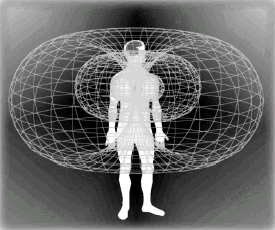
PEMF — Pulsed Electromagnetic Field therapy — uses brief, repetitive pulses of electromagnetic energy to penetrate tissue and influence cellular function. Unlike FSM, which delivers current through contact electrodes, PEMF works through a coil or mat that generates a magnetic field, and that field passes through the body non-invasively. It has been used in clinical settings since the 1970s, most famously for accelerating bone fracture healing — a use that received FDA clearance in 1979.
For vagus nerve stimulation, PEMF works by influencing the electromagnetic environment of nerve cells. Nerve membranes that have become depolarized or dysfunctional due to chronic stress, inflammation, or illness respond to PEMF by restoring their resting membrane potential. This effectively “recharges” the nerve, improving its ability to transmit signals — including the parasympathetic signals the vagus nerve is responsible for carrying.
The Electromagnetic Pulse That Recharges Nerve Cells
Our Favorite PEMF Therapy Device using Frequency Specific Microcurrent
A “ready-to-go” pocket sized therapy device, with 59+ core protocols all preloaded
Check out The Vibe by Resona Health
Each PEMF pulse induces a mild electrical current in the tissues it passes through — this is governed by Faraday’s Law of Electromagnetic Induction. For nerve tissue, these induced currents help normalize ion channel activity across the cell membrane, particularly sodium, potassium, and calcium channels that regulate nerve firing. In practical terms, this means PEMF can reduce nerve hypersensitivity, lower neuroinflammation, and restore the kind of calm, regulated nerve conduction that healthy vagal tone depends on. Research published in journals including Bioelectromagnetics and Frontiers in Neuroscience has examined PEMF’s effects on autonomic nervous system regulation, with findings pointing toward measurable improvements in HRV — a direct indicator of vagal function.
PEMF vs. FSM: Different Tools, Complementary Results
PEMF and FSM approach vagus nerve stimulation from two different directions, which is exactly why they work so well together. PEMF operates through an electromagnetic field that penetrates tissue without direct contact, influencing cellular charge and nerve membrane potential on a broad level. FSM works through direct conductive contact, delivering precise frequency pairs to specific tissues with surgical accuracy. Where PEMF sets the stage by restoring cellular voltage and reducing neuroinflammation, FSM steps in to address the specific condition — nerve dysfunction, inflammatory cytokines, scar tissue — in the exact tissue that needs it.
How FSM Directly Targets the Vagus Nerve
The vagus nerve isn’t a single target you can reach with one generic frequency. It’s a complex, multi-branching nerve that interfaces with dozens of organs and tissue types from your brainstem to your colon. FSM addresses this complexity by using a two-channel system — one frequency for the condition, one for the tissue — allowing practitioners to speak directly to vagal pathways at multiple points along their anatomical course. This specificity is what separates FSM from broad-spectrum electrical therapies that can’t distinguish between a vagus nerve and a bicep.
The Key Frequency Pairs Used in Vagus Nerve FSM Protocols
FSM frequency pairs used for vagus nerve support are selected based on decades of clinical documentation by practitioners trained in Dr. Carolyn McMakin’s protocols. The most commonly applied combinations target nerve tissue, inflammation, and autonomic dysregulation simultaneously. Each pair consists of a channel A frequency (the condition) and a channel B frequency (the tissue).
|
Channel A (Condition) |
Channel B (Tissue) |
Clinical Target |
|---|---|---|
|
40 Hz — Inflammation |
396 Hz — Nerve tissue |
Reduce vagal nerve inflammation |
|
284 Hz — Trauma/injury |
396 Hz — Nerve tissue |
Nerve repair post-injury or illness |
|
9 Hz — Allergy/sensitivity |
142 Hz — Spinal cord |
Central sensitization reduction |
|
40 Hz — Inflammation |
142 Hz — Spinal cord |
Neuroinflammation along vagal axis |
|
81 Hz — Secretions |
396 Hz — Nerve tissue |
Improve neurotransmitter signaling |
These aren’t random numbers. Each frequency has a corresponding physiological effect that has been observed and documented in clinical practice over years of application. The precision of the pairing is what drives results — using the wrong combination on the right tissue simply doesn’t produce the same outcome, which is why FSM for vagus nerve support should always be guided by a trained practitioner.
How FSM Calms Inflammatory Cytokines Linked to Vagal Dysfunction
One of the most significant ways vagal tone gets disrupted is through systemic inflammation. Elevated pro-inflammatory cytokines — particularly TNF-α, IL-1β, and IL-6 — directly suppress vagal signaling by interfering with the cholinergic anti-inflammatory pathway that the vagus nerve controls. It becomes a destructive loop: inflammation suppresses the vagus nerve, and a suppressed vagus nerve can no longer regulate inflammation effectively. For more on how FSM can address these issues, explore how PEMF using FSM reduces pain and inflammation.
FSM breaks this cycle. Research spearheaded by Dr. McMakin demonstrated that specific FSM protocols reduced inflammatory cytokine levels — including a significant reduction in IL-1 and substance P — in patients with fibromyalgia and chronic pain conditions. When inflammation along the vagal pathway is reduced, the nerve’s ability to conduct parasympathetic signals is restored. This is why many patients report feeling a deep, almost immediate calm during vagus-targeted FSM sessions — the inflammatory brake on their nervous system is being released in real time. For more insights, you can explore how PEMF using FSM reduces pain and inflammation.
Parasympathetic Activation: What Happens During an FSM Session
As the FSM frequencies begin working on vagal tissue, most people experience a recognizable physiological shift. Heart rate slows slightly, breathing deepens and becomes more rhythmic, and a pervasive sense of heaviness or warmth moves through the body — these are direct signs of parasympathetic activation. Some clients report spontaneous emotional release, a sudden urge to sleep, or a feeling of mental clarity they haven’t experienced in months. These aren’t placebo effects. They are measurable autonomic shifts driven by restored vagal signaling, and they often persist well beyond the session itself as cumulative treatments rebuild baseline vagal tone.
Body Areas Targeted in Vagus Nerve FSM Protocols
Because the vagus nerve travels such a long anatomical course, FSM electrodes can be placed at multiple strategic points to access different branches. The most common treatment sites include the posterior cervical region (where the vagus nerve exits the skull via the jugular foramen), the diaphragm (which shares intimate functional ties with vagal breathing regulation), the chest and heart plexus area, and the abdomen where the nerve communicates with the enteric nervous system. Some protocols also address the auricular branch of the vagus nerve — the only peripheral branch that reaches the outer ear — making ear-adjacent placement a useful access point for cranial vagal stimulation.
Conditions That Respond Well to FSM and PEMF Vagus Nerve Therapy
The vagus nerve’s reach across so many body systems means that vagal dysfunction shows up in a remarkably wide range of conditions. FSM and PEMF don’t treat diseases directly — they restore the underlying nervous system regulation that allows the body to heal itself. That distinction matters, because it explains why these therapies often help with conditions that seem completely unrelated on the surface but share vagal dysregulation as a common root. For more insights, explore the enhanced benefits of FSM and PEMF synergy.
Long-COVID Fatigue, Brain Fog, and Breathlessness
Emerging research from the Feinstein Institutes and other institutions has identified vagus nerve damage as a likely mechanism behind several of long-COVID’s most persistent symptoms. The SARS-CoV-2 virus appears to cause direct vagal nerve injury and neuroinflammation, disrupting the autonomic signaling that regulates breathing, heart rate, cognitive function, and fatigue. Patients with long-COVID frequently show measurably reduced HRV — a direct signal of compromised vagal tone.
FSM and PEMF both address this from complementary angles. FSM’s anti-inflammatory frequency pairs work to reduce neuroinflammation along the vagal pathway and support nerve repair, while PEMF helps restore the resting membrane potential of damaged nerve cells. Practitioners working with long-COVID patients using these modalities report improvements in breathlessness, cognitive clarity, and exercise tolerance — outcomes that align with the biological mechanisms these therapies target.
Anxiety, PTSD, and Nervous System Burnout
Anxiety and PTSD are not simply psychological conditions — they are nervous system states. In both, the autonomic nervous system is stuck in a hyperactivated, sympathetically dominant mode, with the vagus nerve unable to apply the parasympathetic braking that would bring the system back to baseline. Polyvagal Theory, developed by Dr. Stephen Porges, describes this as a failure of the social engagement system — the most evolved branch of vagal function — leaving people trapped in fight-or-flight or shutdown states.
FSM’s ability to directly stimulate parasympathetic pathways gives it a unique advantage here. By physically shifting the nervous system toward vagal dominance during a session, it creates a physiological window that makes other therapeutic work — whether somatic therapy, breathwork, or counseling — significantly more effective. PEMF supports this by reducing the neuroinflammation that keeps the limbic system hyperreactive. Together, they help create the biological conditions for genuine nervous system recovery, not just symptom suppression.
Gut Issues Driven by the Gut-Brain Connection
The enteric nervous system — often called the “second brain” — contains over 100 million nerve cells lining the gastrointestinal tract, and the vagus nerve is its primary line of communication with the brain. Roughly 80–90% of the fibers in the vagus nerve carry information from the gut to the brain, meaning gut health is profoundly dependent on healthy vagal signaling in both directions.
When vagal tone drops, gut motility slows, digestive enzyme secretion decreases, and the gut’s ability to regulate its own inflammation is compromised. This is the physiological basis for why IBS, GERD, bloating, and chronic constipation or diarrhea so frequently accompany anxiety, chronic stress, and post-viral illness — they’re all expressions of the same underlying vagal dysfunction.
FSM protocols targeting the abdominal branch of the vagus nerve can help restore gut motility and reduce enteric inflammation. Frequency pairs addressing nerve tissue and secretion function are particularly relevant here, as they support both the structural integrity of the vagal-enteric connection and the neurotransmitter signaling — particularly acetylcholine and serotonin — that gut function depends on. Over 90% of the body’s serotonin is produced in the gut, and vagal health directly influences its availability.
PEMF complements this by reducing intestinal inflammation and supporting the electromagnetic environment of the gut lining. Some PEMF protocols applied to the abdominal region have been studied for their effects on gut motility and intestinal permeability — both of which are compromised in leaky gut syndrome and inflammatory bowel conditions that frequently co-occur with low vagal tone.
- IBS and functional gut disorders — restored vagal signaling improves motility and reduces hypersensitivity
- GERD and reflux — improved lower esophageal sphincter tone via vagal regulation
- Bloating and slow transit constipation — FSM abdominal protocols target vagal-enteric motility pathways
- Gut-driven anxiety — restoring the gut-brain axis reduces both gastrointestinal and psychological symptoms simultaneously
- Post-infectious gut dysfunction — particularly relevant for post-COVID and post-viral gut motility disruption
Fibromyalgia, Chronic Fatigue Syndrome, and POTS
Fibromyalgia, ME/CFS (Myalgic Encephalomyelitis/Chronic Fatigue Syndrome), and POTS (Postural Orthostatic Tachycardia Syndrome) all share a common feature: profound autonomic dysregulation with clear signs of impaired vagal function. In fibromyalgia, low vagal tone is associated with elevated substance P, impaired pain modulation, and the kind of widespread neuroinflammation that FSM’s 40 Hz anti-inflammatory protocols directly target. Dr. McMakin’s own research demonstrated significant reductions in pain and inflammatory markers in fibromyalgia patients using FSM — results that have been difficult to achieve with pharmacological approaches alone.
In POTS, the vagus nerve’s role in regulating heart rate and vascular tone is particularly central. The tachycardia that defines POTS upon standing is, in part, a failure of the vagus nerve to maintain parasympathetic cardiovascular control. PEMF’s ability to improve autonomic balance and HRV makes it a promising adjunct for POTS management, particularly when combined with FSM protocols targeting the cardiac plexus and cervical vagal branches. These are complex, multi-system conditions that require comprehensive care — but FSM and PEMF address the root-level autonomic dysfunction in a way that many conventional treatments simply don’t.
How to Know If Your Vagus Nerve Needs Support
Your body sends clear signals when vagal tone is low — most people just don’t recognize them as connected. The symptoms scatter across so many body systems that they’re usually treated in isolation: a gastroenterologist for the gut issues, a psychiatrist for the anxiety, a cardiologist for the heart rate irregularities. But when you see them together, the pattern points directly to the vagus nerve.
Here are the most telling signs that your vagus nerve may need therapeutic support:
- Resting heart rate that feels consistently elevated or irregular
- Poor heart rate variability on a wearable device
- Chronic digestive complaints — bloating, reflux, slow transit, IBS
- Difficulty recovering from stress (still wired hours after a stressful event)
- Persistent fatigue that sleep doesn’t resolve
- Brain fog, poor concentration, or word-finding difficulty
- Anxiety that feels physical — tight chest, shallow breathing, hypervigilance
- Frequent illness or slow recovery from infections
- A flat or monotone voice, or difficulty swallowing
- Feeling emotionally numb, disconnected, or shut down
None of these symptoms alone confirms vagal dysfunction, but clusters of three or more — especially in someone with a history of chronic stress, trauma, or viral illness — strongly suggest the vagus nerve is a key part of the picture. A trained practitioner can assess HRV, autonomic reflex responses, and clinical history to build a clearer picture of where your vagal tone actually sits.
How FSM and PEMF Work Best Together
Using FSM and PEMF in combination isn’t just additive — it’s synergistic. They access the vagus nerve and the autonomic nervous system through fundamentally different mechanisms, which means they address different layers of dysfunction at the same time. PEMF works at the level of cellular charge and electromagnetic environment, restoring the foundational conditions nerve cells need to function. FSM works at the level of specific tissue pathology — targeting inflammation, nerve damage, or autonomic dysregulation with precision frequency pairs. Together, they create a therapeutic environment where the vagus nerve can both recover structurally and begin functioning more effectively in real time.
Sequencing FSM and PEMF in a Single Treatment Plan
When both modalities are used in the same session or treatment plan, sequencing matters. PEMF is typically applied first — often for 10 to 20 minutes — to reduce cellular inflammation, restore membrane potential, and prepare the nervous system to receive more targeted input. Think of it as priming the tissue. FSM then follows, delivering specific frequency pairs to vagal targets with the tissue now in a more receptive electrochemical state. This sequence mirrors the logic of warming up before precision work: PEMF opens the door, FSM walks through it. Some practitioners also use low-intensity PEMF mats during the FSM session itself, creating a continuous supportive electromagnetic environment while the FSM frequencies do their targeted work.
Combining These Therapies With Manual and Integrative Techniques
FSM and PEMF reach their full potential when embedded in a broader integrative care plan. The vagus nerve doesn’t exist in isolation — it’s physically tethered to fascial tissue in the neck, influenced by diaphragmatic mechanics, and functionally connected to the gut microbiome, the immune system, and the limbic brain. Manual therapies that directly support these connections include craniosacral therapy, which addresses restrictions in the dural tube and cranial bones that can mechanically compress vagal pathways; lymphatic drainage massage, which reduces the systemic inflammatory load the vagus nerve is struggling against; and myofascial release targeting the cervical and thoracic regions where vagal branches travel. Breathwork — particularly slow diaphragmatic breathing at around 5 to 6 breaths per minute — is one of the most evidence-supported self-care tools for vagal tone and works powerfully as a daily practice between FSM and PEMF sessions.
FSM and PEMF Are Powerful, But They Work Best as Part of a Bigger Plan
FSM and PEMF are genuinely remarkable tools for vagus nerve restoration, but they are most effective as part of a comprehensive approach that addresses the full scope of what dysregulated the vagus nerve in the first place — whether that’s unresolved trauma, chronic inflammatory load, post-viral nerve damage, or years of sympathetic overdrive. A practitioner who understands the nervous system as a whole, and who can integrate these technologies with appropriate manual therapies, lifestyle support, and nutritional strategies, will consistently produce better outcomes than any single therapy used in isolation. The vagus nerve heals in layers, and the most sustainable results come from addressing all of them.
Frequently Asked Questions
FSM and PEMF for vagus nerve stimulation sit at the intersection of bioenergetic medicine, neuroscience, and integrative therapy — which naturally generates a lot of questions. Whether you’re brand new to these modalities or have been researching them for a while, the following answers address the most common points of confusion and concern. For those interested in optimizing their sleep, FSM and PEMF therapy can be particularly beneficial.
One question that comes up consistently: are these therapies evidence-based, or are they fringe? The honest answer is that FSM has a growing clinical literature — including peer-reviewed work by Dr. Carolyn McMakin on fibromyalgia and inflammatory cytokines — and PEMF has decades of research behind it, including FDA-cleared applications. Vagus nerve stimulation itself is an established medical intervention; FSM and PEMF simply offer non-invasive, accessible ways to achieve similar autonomic effects without surgery or implanted devices.
Quick Reference: FSM vs. PEMF for Vagus Nerve Support
Feature
FSM
PEMF
Mechanism
Microampere electrical current via contact electrodes
Pulsed electromagnetic field via coil or mat
Sensation
None to minimal warmth
None to mild tingling
Primary target
Specific tissue & condition via frequency pairs
Broad cellular charge & membrane potential
Vagal mechanism
Direct nerve stimulation, cytokine reduction
Nerve membrane restoration, neuroinflammation reduction
Home use
Limited — practitioner guidance required
Yes — consumer PEMF devices available
FDA clearance
Cleared for wound healing and pain
Cleared for bone healing and depression (specific devices)
Best used
In clinical sessions with trained FSM provider
Clinically or as home adjunct therapy
Both therapies are generally well-tolerated and carry minimal side effect profiles when used appropriately. Some people experience a temporary increase in fatigue or mild emotional release after a session — this is a normal detoxification and nervous system recalibration response, not a sign that the treatment is causing harm. Staying well-hydrated before and after sessions supports the body’s ability to process and integrate the therapeutic changes. For more information on the importance of hydration, you can read about it here.
The most important thing to understand is that neither FSM nor PEMF is a one-time fix. The vagus nerve took months or years to reach its current state of dysfunction, and rebuilding genuine, lasting vagal tone takes consistent application over time. Most people begin noticing meaningful changes within a series of sessions — but the real transformation happens over weeks to months of regular treatment combined with supportive lifestyle practices.
Can FSM and PEMF therapy be used at home for vagus nerve stimulation?
PEMF therapy is accessible at home through consumer-grade devices such as the portable coil units. These can be used daily as a supportive adjunct to professional treatment and are safe for most people without practitioner supervision. FSM, however, is significantly more complex — the frequency pairs used for vagus nerve protocols require clinical training to apply correctly, and using the wrong frequencies on the wrong tissue simply won’t produce results. Some practitioners offer FSM home units for established patients with specific guidance, but attempting vagus-targeted FSM protocols without training is not recommended. For home vagal stimulation, PEMF combined with diaphragmatic breathwork and cold water facial immersion provides a practical and evidence-supported daily routine.
How many FSM or PEMF sessions are needed before noticing results?
Most people notice some degree of change — deeper relaxation, improved sleep, reduced pain, or a calmer baseline — within the first two to four FSM sessions. PEMF often produces more subtle cumulative effects, with meaningful shifts in HRV and energy levels typically appearing after two to four weeks of consistent use. For chronic conditions like long-COVID, fibromyalgia, or PTSD-related vagal dysfunction, a realistic initial treatment course is eight to twelve sessions, followed by maintenance as needed. The more chronic and entrenched the dysregulation, the longer the rebuilding process — but the trajectory is typically steady and progressive with consistent treatment.
Is FSM or PEMF safe for people with pacemakers or implanted devices?
Both FSM and PEMF are contraindicated for people with implanted electrical devices including pacemakers, defibrillators, cochlear implants, and spinal cord stimulators. The electromagnetic fields generated by both therapies can interfere with device function, and this is a firm clinical contraindication — not a caution to work around. People with metal implants (joint replacements, surgical screws) are generally safe with FSM and most PEMF devices, though the area directly over the implant may need to be avoided. Always disclose all implanted devices and medical hardware to your practitioner before beginning either therapy.
Can FSM and PEMF therapy replace medication for anxiety or depression?
FSM and PEMF are not replacements for prescribed medication, and any changes to a medication regimen should be made only in consultation with the prescribing physician. What these therapies can do is address the underlying autonomic and neuroinflammatory dysfunction that drives anxiety and depression — which medication often manages but doesn’t resolve. Many people find that as vagal tone improves through consistent FSM and PEMF treatment, their symptoms become less intense and their need for higher medication doses decreases over time. This should always be a medically supervised process, but it represents a genuinely integrative path toward long-term nervous system health rather than indefinite symptom management.
What does a typical FSM vagus nerve session feel like from start to finish?
You’ll begin face-up on a treatment table, fully clothed in most cases. The practitioner will place dampened graphite gloves or electrode contacts at specific anatomical locations — commonly the posterior neck, upper chest, and sometimes the abdomen or outer ear — depending on which vagal branches are being targeted in that session. The current is turned on, and for most people, the first thing they notice is a subtle warmth spreading from the electrode sites.
Within the first ten to fifteen minutes, a significant proportion of people enter a deeply relaxed state — some describe it as the boundary between waking and sleep. Heart rate slows perceptibly, breathing deepens, and the physical tension held in the neck, chest, and jaw begins to release. This isn’t simply relaxation in the ordinary sense — it’s a measurable parasympathetic activation, your vagus nerve responding to the input it’s receiving.
Some people experience emotional responses during or after a session — unexpected sadness, a sense of relief, or even spontaneous tears. This is not unusual and reflects the vagus nerve’s deep connection to emotional regulation and trauma processing. Practitioners trained in somatic approaches understand this response and can support it as part of the healing process rather than something to suppress.
After the session — which typically runs forty-five to ninety minutes — most people report feeling profoundly calm, slightly heavy, and unusually clear-headed. Some feel fatigued for a few hours as the nervous system integrates the shift. Drinking plenty of water, avoiding high stimulation environments, and resting if possible in the hours following a session significantly supports the treatment’s effectiveness and helps the nervous system consolidate the gains made during the session.
If you’re ready to explore FSM, PEMF, and integrative vagus nerve therapy with a practitioner who truly understands the nervous system, Longwell Massage Therapy offers expert-guided sessions combining microcurrent, manual therapy, and nervous system support to help you rebuild lasting vagal tone and whole-body resilience.


Leave a Reply