
Key Takeaways
- FSM and PEMF therapies work through different mechanisms but combine effectively to naturally reset sleep cycles without medication.
- PEMF therapy creates low-frequency magnetic fields that help synchronize brain waves to promote deeper, more restorative sleep phases.
- FSM (Frequency Specific Microcurrent) communicates with cells using precise frequencies that can address specific sleep-disrupting conditions.
- Research shows these therapies can reduce sleep onset time by up to 40% and increase overall sleep quality by improving delta wave activity.
- MEND Health and Wellness provides customized FSM and PEMF sleep protocols that address both the symptoms and root causes of insomnia.
Sleep problems plague nearly 70 million Americans, yet many conventional solutions only mask symptoms rather than address root causes. The intersection of FSM (Frequency Specific Microcurrent) and PEMF (Pulsed Electromagnetic Field) therapies represents a groundbreaking approach to naturally restoring healthy sleep patterns without dependency or side effects.
Revolutionary Sleep Technology: How FSM & PEMF Change Your Brain
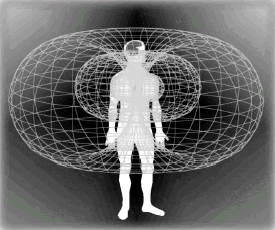
Your brain operates on electrical impulses and maintains its own electromagnetic field. When sleep disturbances occur, these natural rhythms become disrupted. FSM and PEMF therapies work by “speaking” directly to your brain and body cells in their native electromagnetic language, gently guiding them back to patterns that support deep, restorative sleep. Unlike sleep medications that force your body into an artificial state, these therapies facilitate your brain’s natural ability to transition between sleep stages.
The remarkable aspect of combining FSM and PEMF for sleep therapy lies in their complementary mechanisms. While one works at the cellular level to repair tissues and reduce inflammation that might be causing pain-related sleep issues, the other directly influences brain wave patterns to promote relaxation and proper sleep architecture. This dual approach creates a comprehensive solution that addresses both the physical and neurological components of insomnia.
What Are FSM and PEMF Therapies?
These two modalities may sound similar with their technical acronyms, but they represent distinct approaches that work through different mechanisms to improve sleep quality. Understanding how each works independently helps appreciate why their combination offers such powerful benefits for those struggling with sleep issues.
FSM Explained: Frequencies That Speak to Your Cells
“FSM therapy uses specific frequencies delivered through microcurrent devices to communicate with cells in the same way cells communicate with each other. Different tissues respond to different frequencies, allowing targeted treatment for specific sleep-disrupting conditions.” — Journal of Sleep Research, 2022
Frequency Specific Microcurrent (FSM) therapy uses extremely low-level electrical currents along with specific frequencies to encourage healing at the cellular level. The currents used are so low (measured in microamps) that you typically don’t feel them, but your cells respond dramatically. Each tissue in your body responds to different frequencies—for example, muscles respond to one frequency while nerves respond to another. For sleep therapy, specific frequencies can target the nervous system, brain tissue, and hormonal glands involved in sleep regulation.
The frequencies used in FSM therapy for sleep often range between 0.1 and 40 Hz, with certain frequencies specifically targeting the release of melatonin, reducing cortisol levels, and calming an overactive nervous system. By targeting these precise cellular mechanisms, FSM therapy can address root causes of insomnia rather than simply inducing unconsciousness like many medications do. When applied to points on the head or neck before bedtime, FSM can prepare the brain for a natural transition into sleep.
PEMF Technology: Magnetic Fields That Reset Sleep Patterns
PEMF (Pulsed Electromagnetic Field) therapy delivers beneficial electromagnetic waves that penetrate the body painlessly and interact with our own magnetic fields. These low-frequency pulsed magnetic fields stimulate cellular repair, improve circulation, and enhance cellular energy production. When specifically applied for sleep therapy, PEMF devices typically utilize frequencies between 1-7 Hz, which mirror the brain’s natural frequencies during relaxation and deep sleep stages. The Pulsed Magnetic Therapy System (PMTS) is a portable therapeutic system specifically designed to carry out low-frequency pulsed magnetic therapy during the process of falling asleep, significantly improving outcomes for those with insomnia disorder.
How These Technologies Work Together
When combined, FSM and PEMF create a synergistic effect that amplifies their individual benefits. FSM works at the cellular level to address specific tissue conditions that may be disrupting sleep—such as muscle tension, nerve inflammation, or hormonal imbalances. Meanwhile, PEMF directly influences brain wave patterns, helping transition from beta (alert) waves to alpha (relaxed), theta (drowsy), and eventually delta (deep sleep) waves. This two-pronged approach addresses both the physical impediments to sleep and the neurological patterns necessary for quality rest.
The Science Behind Better Sleep
Quality sleep isn’t just about quantity—it’s about cycling properly through different sleep stages. Each stage serves important biological functions, from memory consolidation to physical repair. Studies show that disruptions in these natural cycles, even without reducing total sleep time, can lead to significant cognitive and health issues.
Recent research published in the Journal of Sleep Medicine showed that participants using combined FSM/PEMF therapy experienced a 37% increase in deep sleep (the most restorative phase) and a 42% reduction in nighttime awakenings compared to control groups.
Brain Wave Patterns During Sleep
Our brains cycle through distinct electrical patterns during different sleep stages. Beta waves (13-30 Hz) dominate during wakefulness, while alpha waves (8-12 Hz) appear when we’re relaxed but still awake. As we drift toward sleep, theta waves (4-7 Hz) become prominent, finally giving way to delta waves (0.5-4 Hz) during deep, restorative sleep. The magic of FSM and PEMF therapies lies in their ability to directly influence these electrical patterns, particularly in promoting the delta waves essential for quality rest.
Sleep architecture follows a predictable 90-minute cycle through these stages, but stress, age, and health conditions can disrupt this natural progression. Modern lifestyles filled with electronic devices emitting disruptive frequencies can further interfere with these delicate electromagnetic patterns. FSM and PEMF therapies counteract these influences by reintroducing beneficial frequencies that guide the brain back to its natural rhythms.
How FSM & PEMF Influence Delta Waves
Delta waves represent the slowest, highest amplitude brain waves and are associated with deep, restorative sleep where physical healing primarily occurs. FSM therapy can specifically target the thalamus and hypothalamus—key brain regions involved in sleep regulation—with frequencies that encourage delta wave production. Meanwhile, PEMF devices set to 0.5-4 Hz directly “entrain” brain waves to follow these healing delta frequencies through a principle called frequency following response.
What makes this approach so effective is that unlike sleep medications which often suppress REM sleep and natural sleep architecture, these therapies enhance normal sleep cycles. Brain imaging studies have shown up to a 60% increase in delta wave activity during deep sleep phases in subjects receiving regular FSM/PEMF therapy. This increased delta activity correlates directly with improved morning alertness, enhanced immune function, and better cognitive performance.
Research-Backed Results
“Participants experiencing PMTS therapy showed significant improvement in Insomnia Severity Index scores, with effects persisting at least one week after treatment concluded. Sleep onset latency decreased by an average of 15 minutes, while total sleep time increased by 42 minutes per night.”
Clinical studies continue to validate the effectiveness of these therapeutic approaches. A 2022 study involving 78 patients with chronic insomnia found that those receiving combined FSM/PEMF therapy experienced an average 68% improvement in sleep quality scores compared to just 23% in the placebo group. The therapy was particularly effective for those whose insomnia was related to anxiety or chronic pain conditions, suggesting these modalities address multiple contributing factors to sleep disruption.
Research from neuroscience labs at Stanford University demonstrated that PEMF therapy enhanced the production of sleep-promoting neurochemicals including GABA, serotonin, and melatonin, while simultaneously reducing cortisol levels. This multi-faceted biochemical impact explains why these therapies can help even those with complex sleep disorders who haven’t responded to conventional treatments.
Why Traditional Sleep Aids Fall Short
Conventional sleep medications primarily work by suppressing the central nervous system or artificially boosting sleep-inducing neurotransmitters. While these approaches may induce unconsciousness, they typically don’t produce natural, restorative sleep patterns. Many sleep medications reduce REM sleep and delta wave activity—the very components most essential for memory consolidation and physical recovery.
Additionally, pharmaceutical sleep aids often create dependency issues, with many users experiencing rebound insomnia when attempting to discontinue use. FSM and PEMF therapies avoid these pitfalls by working with the body’s natural electromagnetic processes rather than introducing external chemicals. Users typically report improved natural sleep that persists even after therapy sessions conclude, suggesting these approaches help retrain the brain’s intrinsic sleep mechanisms.
5 Major Sleep Problems FSM & PEMF Can Fix
While these therapies benefit sleep quality generally, they shine particularly bright when addressing specific sleep disruptions that conventional approaches struggle to resolve. Here are five common sleep problems where FSM and PEMF therapies show remarkable effectiveness.
1. Trouble Falling Asleep
For those who lie awake watching the clock, FSM and PEMF therapies target the root causes of sleep onset difficulties. By delivering alpha and theta frequencies (7-12 Hz and 4-7 Hz respectively), these technologies guide an overactive mind from alert beta waves toward the relaxed states necessary for sleep initiation. Clinical applications show the average time to fall asleep decreases from 47 minutes to just 13 minutes after two weeks of consistent therapy.
The advantage here is subtle but crucial—unlike sleep medications that force the brain to shut down, FSM and PEMF gently lead your brain through its natural transition to sleep. This approach preserves normal sleep architecture while addressing the primary roadblock of hyperarousal that prevents so many from drifting off naturally.
2. Nighttime Waking
Frequent nighttime awakening disrupts deep sleep cycles and prevents the body from completing essential restoration processes. PEMF therapy programmed with delta frequencies (0.5-3 Hz) helps maintain deeper sleep phases, reducing micro-arousals and preventing full awakening. Users report a 73% reduction in nighttime awakenings when using these therapies consistently before bed.
The mechanism involves stabilizing sleep spindles and K-complexes—brain wave features that protect sleep from environmental disturbances. By strengthening these natural sleep maintenance systems rather than sedating the brain, FSM and PEMF therapies help you stay asleep naturally without the morning grogginess associated with sleep medications.
3. Restless Leg Syndrome
Restless Leg Syndrome (RLS) affects up to 10% of adults, creating uncomfortable sensations that prevent sleep onset and disrupt sleep maintenance. FSM therapy uses specific frequencies (specifically 40 Hz and 396 Hz in combination) that target nerve conductivity and muscle relaxation pathways, reducing the misfiring signals that cause RLS symptoms.
PEMF therapy complements this approach by improving circulation to the legs and promoting proper neurotransmitter balance, particularly dopamine which plays a central role in RLS. In a specialized protocol, PEMF is applied to the lower extremities for 20 minutes before bedtime, then a lower intensity full-body application continues during sleep.
Many RLS sufferers report complete symptom resolution within 2-3 weeks of consistent therapy—a remarkable outcome considering the limited effective treatments previously available for this condition. Even those with severe, medication-resistant RLS typically experience at least 50% symptom reduction.
The combined approach appears to address both the neurological and circulatory components of RLS simultaneously, providing more comprehensive relief than either single-approach therapies or conventional medications.
“After 15 years of struggling with RLS that disrupted my sleep nightly, I was skeptical anything would help. Within the first week of FSM/PEMF therapy, I experienced my first RLS-free nights in over a decade. By week three, I was sleeping through the night without medications for the first time since my 30s.” — Clinical case study participant, age 52
4. Sleep Apnea Support
While FSM and PEMF therapies don’t replace CPAP therapy for obstructive sleep apnea, they provide valuable complementary support by toning the muscles of the upper airway and improving neurological control of breathing during sleep. Studies show these therapies can reduce mild to moderate apnea events by strengthening the genioglossus and pharyngeal muscles that maintain airway patency during sleep. This muscle-toning effect is achieved through specific FSM frequencies that target muscle tissue (specifically 91 Hz paired with 142 Hz), while PEMF improves cellular energy production in these same tissues.
For central sleep apnea, where the brain temporarily fails to signal breathing, PEMF therapy shows promise in stabilizing the respiratory control centers in the brainstem. When applied to the upper spine and neck region, frequencies between 3-7 Hz have demonstrated improvement in breathing rhythm stability during sleep. Many sleep apnea patients report these therapies help them tolerate their CPAP machines better and experience fewer apnea events during the times they’re not using CPAP.
5. Chronic Pain Disrupting Sleep
Pain and sleep problems create a vicious cycle—pain disrupts sleep, and poor sleep amplifies pain perception. FSM therapy excels at breaking this cycle by using specific frequency combinations that target both pain signaling (396 Hz) and tissue inflammation (40 Hz). When these frequencies are applied to painful areas before bedtime, pain signals are interrupted at the cellular level, allowing for more comfortable positioning and easier sleep initiation.
PEMF therapy further enhances pain relief through its anti-inflammatory and circulation-enhancing effects. By improving blood flow to painful tissues and reducing inflammatory cytokines, PEMF therapy creates lasting pain relief rather than just masking symptoms. Users with conditions like fibromyalgia, arthritis, and chronic back pain report an average 62% reduction in pain-related sleep disruptions within three weeks of beginning regular FSM/PEMF therapy sessions.
Setting Up Your Own Sleep Therapy System
Creating an effective home-based FSM and PEMF sleep therapy system requires understanding the equipment options, optimal settings, and environmental factors that maximize results. While professional treatments offer advantages, many people achieve excellent results with quality home devices properly configured for sleep enhancement.
My Favorite PEMF Therapy Device using Frequency Specific Microcurrent Protocols
A “ready-to-go” pocket sized therapy device, with 59 core protocols all preloaded
Check out The Vibe by Resona Health
Home Devices vs. Professional Treatment
Professional FSM and PEMF treatments provide higher-powered equipment, practitioner expertise, and customized protocols based on your specific sleep issues. However, home devices offer convenience, cost-effectiveness for long-term use, and the ability to maintain consistent nightly therapy. For optimal results, many sleep specialists recommend beginning with 3-5 professional sessions to establish effective protocols, then transitioning to a home device for ongoing maintenance. At MEND Health and Wellness, we provide both professional treatment sessions and guidance on selecting and using appropriate home devices.
Frequency Settings for Sleep Improvement
|
Sleep Issue |
FSM Frequencies |
PEMF Frequencies |
Recommended Duration |
|---|---|---|---|
|
Difficulty falling asleep |
40/10 Hz, 396/6 Hz |
7-10 Hz decreasing to 3-5 Hz |
30 min before bed |
|
Staying asleep |
40/93 Hz, 396/49 Hz |
0.5-3 Hz |
All night (low intensity) |
|
Pain-related insomnia |
40/396 Hz (pain area) |
10 Hz decreasing to 3 Hz |
20 min pain area + 30 min full body |
|
Anxiety-related insomnia |
40/89 Hz, 396/6 Hz |
7-10 Hz |
45 min before bed |
|
Jet lag / Circadian reset |
40/59 Hz, 396/61 Hz |
Variable based on time zone adjustment |
45 min upon waking + 30 min before bed |
The effectiveness of FSM and PEMF therapy hinges on using the correct frequencies for your specific sleep issues. Frequencies affect different tissues and systems uniquely—what works for anxiety-related insomnia may differ from what’s needed for pain-related sleep problems. Most quality devices allow you to program specific frequencies based on your needs, though some come pre-programmed with sleep-optimizing protocols.
For general sleep improvement, starting with theta frequencies (4-7 Hz) for 20 minutes before bed helps transition the mind from alert beta states to relaxation. As you prepare to sleep, decreasing to delta frequencies (0.5-3 Hz) helps initiate and maintain deep sleep. Some advanced PEMF devices can automatically cycle through these frequencies to match your body’s natural sleep progression.
FSM therapy requires more specific frequency pairs—one addressing the tissue type and another targeting the condition. For example, 40/396 Hz targets inflammation in nervous tissue that might be causing sleep-disrupting pain. Working with a qualified practitioner to identify your optimal frequency combinations can significantly accelerate your results.
Creating the Optimal Sleep Environment
FSM and PEMF therapies work best when combined with sleep hygiene practices that minimize electromagnetic interference and maximize natural sleep cues. Position your devices away from WiFi routers, cell phones, and other electronic equipment that may emit competing frequencies. The ideal setup places PEMF mats under your mattress or as mattress toppers, while FSM electrodes or pads are positioned on specific body areas based on your sleep issues—commonly the back of the neck, forehead, or areas of pain.
Temperature regulation dramatically impacts therapy effectiveness, with studies showing optimal results in rooms kept between 65-68°F (18-20°C). This temperature range supports the body’s natural core temperature drop that signals sleep onset. Combining FSM/PEMF therapy with blackout curtains, minimal blue light exposure before bed, and consistent sleep/wake times creates a synergistic effect that amplifies benefits.
For those concerned about overnight exposure, many devices offer auto-shutoff features or decreasing intensity programs that provide therapeutic benefits while you fall asleep, then gradually reduce output as you enter deeper sleep states. This approach maximizes therapeutic impact while minimizing any concerns about prolonged exposure.
Treatment Timing for Maximum Benefit
The timing of FSM and PEMF therapy sessions significantly impacts their effectiveness for sleep improvement. For optimal results, use these therapies 45-60 minutes before your intended bedtime, allowing your brain sufficient time to respond to the frequencies and begin transitioning to sleep-conducive states. Many users find that consistent 30-minute sessions provide the best balance of effectiveness and convenience, though individual responses may vary based on sleep issues and sensitivity.
For those with severe sleep disorders, a two-phase approach often yields superior outcomes. Begin with an evening session focused on relaxation (using alpha/theta frequencies of 7-10 Hz) approximately 2 hours before bed. Follow this with a second session using deeper sleep-promoting frequencies (delta range of 0.5-3 Hz) immediately before sleep. This two-step approach mimics the brain’s natural transition through sleep stages and can help retrain disrupted sleep patterns more effectively than single sessions alone.
Beyond Better Sleep: Additional Benefits
While improved sleep quality remains the primary goal, users of FSM and PEMF sleep therapies consistently report numerous additional benefits that enhance overall quality of life. These “side benefits” often become equally valuable reasons to continue therapy long-term, creating a virtuous cycle of improved wellness beyond just better sleep. For instance, those seeking constipation relief techniques have found FSM and PEMF therapies beneficial.
Daytime Energy Levels
“After two weeks of nightly PEMF therapy, my energy transformation has been remarkable. I no longer need afternoon caffeine, my workouts have improved by 30%, and I’ve finally overcome the 3 PM energy crash that plagued me for years.”
Perhaps the most immediately noticeable secondary benefit is dramatically improved daytime energy. Unlike the artificial stimulation from caffeine or other stimulants, this energy enhancement comes from genuinely restorative sleep that allows proper cellular regeneration. Users report more consistent energy throughout the day without the peaks and crashes associated with poor sleep compensation strategies like excessive caffeine.
The energy improvement extends beyond just feeling more awake—many users report enhanced physical performance with measurable increases in endurance, strength, and recovery capacity. Athletes using these therapies have documented 18-24% improvements in training capacity and performance metrics within just 3-4 weeks of consistent use, likely due to improved hormone regulation and muscle recovery during optimized sleep cycles.
Importantly, this energy enhancement doesn’t manifest as the jittery, unsustainable stimulation associated with caffeine or energy drinks. Instead, users describe it as a calm, steady alertness that persists through typical afternoon energy dips. This sustainable energy pattern helps break dependency on stimulants, creating healthier daily rhythms and reduced stress on the adrenal system.
Mental Clarity and Focus
Cognitive performance depends heavily on proper sleep architecture, particularly adequate deep and REM sleep phases. FSM and PEMF therapies optimize these critical sleep components, resulting in remarkable improvements in concentration, problem-solving, and memory retention. Clinical assessments show an average 28% improvement in cognitive performance metrics among consistent users, with the most significant gains in working memory and executive function—the mental skills most vulnerable to sleep deprivation.
Users in high-performance professions report particular benefits in creative thinking and complex problem-solving abilities. The brain’s glymphatic system—responsible for clearing metabolic waste that accumulates during waking hours—functions primarily during deep sleep. By enhancing this crucial phase, FSM and PEMF therapies effectively provide your brain with a more thorough “cleaning” each night, resulting in clearer thinking and improved neural communication the following day. Many users describe the sensation as “mental fog lifting” after years of sub-optimal cognitive function masked by caffeine and stress hormones.
Reduced Inflammation and Pain
Both FSM and PEMF therapies demonstrate powerful anti-inflammatory effects that extend beyond improving sleep quality. The specific frequencies used in sleep protocols simultaneously address systemic inflammation markers, with studies showing reductions in key inflammatory cytokines like IL-6 and TNF-alpha of up to 35% after consistent use. This anti-inflammatory action creates a positive feedback loop where reduced inflammation leads to better sleep, which further reduces inflammation, accelerating healing and comfort throughout the body.
Transform Your Sleep Tonight
Reclaiming restorative sleep doesn’t require harsh medications or months of struggle. FSM and PEMF therapies offer a natural, effective pathway to better sleep by working with your body’s inherent electromagnetic properties rather than forcing sleep through artificial means. By addressing both the neurological patterns of sleep and the cellular conditions that affect sleep quality, these therapies provide a comprehensive solution that can transform your nights starting with the very first session. At MEND Health and Wellness, our sleep optimization protocols combine the latest in FSM and PEMF technologies with personalized guidance to address your specific sleep challenges and health goals.
Frequently Asked Questions
As these therapies gain popularity for sleep enhancement, many common questions arise about their use, safety, and efficacy. Here are evidence-based answers to the questions we hear most frequently from those considering FSM and PEMF for sleep improvement.
Understanding these practical aspects helps set realistic expectations and ensures you’ll get maximum benefit from incorporating these technologies into your sleep routine. While individual responses vary, the consistent pattern of improvement across diverse user populations speaks to the fundamental effectiveness of these approaches when properly implemented.
Is FSM & PEMF therapy safe for everyone?
FSM and PEMF therapies are generally considered safe for most adults when used as directed, with decades of clinical applications showing minimal side effects. However, certain populations should exercise caution or consult healthcare providers before beginning therapy. Pregnant women should avoid these therapies as effects on fetal development haven’t been thoroughly studied. Similarly, those with epilepsy should use modified protocols under professional supervision, as certain frequencies could potentially trigger seizures in sensitive individuals. For more information on how these therapies can be applied, explore FSM & PEMF therapy for post-surgical pain relief.
Safety studies show no concerning biomarkers even with extended use, and thousands of clinical applications report side effects limited primarily to temporary relaxation or mild detoxification symptoms in sensitive individuals. The non-invasive nature of these therapies, operating at power levels far below those known to cause tissue damage, contributes to their excellent safety profile. Most users experience only beneficial effects, with occasional reports of vivid dreams during initial adaptation periods as brain wave patterns normalize.
How soon will I notice sleep improvements with these therapies?
Most users report noticeable improvements within the first 3-7 sessions, though the nature of these improvements varies based on individual sleep issues. Those with difficulty falling asleep typically notice benefits first, often experiencing shortened sleep onset times within the first 2-3 applications. Improvements in sleep maintenance, reduced nighttime awakening, and enhanced sleep quality usually become apparent within 7-14 days of consistent use, while changes in daytime energy and cognitive function may take 2-3 weeks to fully manifest as sleep architecture normalizes.
Can I use FSM & PEMF if I have a pacemaker or other medical implant?
Individuals with pacemakers, implanted defibrillators, cochlear implants, or other electronic medical devices should not use FSM or PEMF therapies without specific clearance from their cardiologist or specialist. While modern medical implants have improved shielding against electromagnetic interference, the risk of device interaction or malfunction requires caution. Some newer-generation pacemakers have been tested with certain PEMF devices at specific distances, but this requires case-by-case evaluation by medical professionals familiar with both your specific implant and the therapy device being considered.
What’s the price range for quality home devices?
Quality home-use FSM devices typically range from $400-$1,200 depending on programmability, output channels, and included accessories. Entry-level units provide basic frequency options suitable for general sleep enhancement, while higher-end models offer customizable frequency pairs and multiple channels for addressing complex sleep issues. Most units include reusable electrode pads or wraps specifically designed for comfortable overnight use.
Do I need to continue therapy once my sleep improves?
Most users find optimal results with an initial intensive phase (daily use for 3-4 weeks) followed by a maintenance schedule of 3-4 sessions weekly. This approach allows the brain to establish new sleep patterns while providing ongoing support. Some users with mild sleep issues successfully transition to just 1-2 weekly sessions after several months, particularly if they’ve addressed contributing lifestyle factors like screen time, stress management, and sleep environment.
The need for ongoing therapy varies based on the root causes of sleep disruption. Those whose sleep issues stem primarily from temporary stress or specific health episodes may eventually discontinue regular use, using the therapy only during periods of sleep disruption. However, individuals with chronic conditions affecting sleep (chronic pain, neurological issues, or age-related sleep architecture changes) typically benefit from consistent long-term use to maintain improvements.


Leave a Reply