
Key Takeaways
- PEMF therapy combined with Frequency-Specific Microcurrent offers a non-invasive, drug-free approach to back pain relief by enhancing cellular repair at the source of pain
- This therapeutic approach increases ATP production by up to 500%, accelerating the body’s natural healing mechanisms for faster back pain recovery
- Unlike medications that mask symptoms, FSM/PEMF therapy addresses the root causes of back pain including inflammation, tissue damage, and nerve dysfunction
- Frequency-Specific PEMF can be particularly effective for disc injuries, muscle strains, and nerve-related back pain that haven’t responded to conventional treatments
- Back pain doesn’t have to control your life. When conventional treatments fall short, advanced modalities like Pulsed Electromagnetic Field (PEMF) therapy combined with Frequency-Specific Microcurrent (FSM) are changing how we approach persistent back pain. This revolutionary approach works with your body’s natural electromagnetic field rather than against it, stimulating healing at the cellular level where pain begins.
What Makes PEMF and FSM Revolutionary for Back Pain
Traditional back pain treatments often focus on symptom management rather than addressing root causes. Pills mask pain temporarily, injections wear off, and surgery carries significant risks with no guarantee of success. PEMF therapy with FSM takes a fundamentally different approach by supporting your body’s innate healing mechanisms.
This therapy uses gentle, precisely calibrated electromagnetic pulses that penetrate deep into damaged tissues. These pulses are delivered at specific frequencies that correspond to different tissue types and pain conditions. When the correct frequency meets the targeted tissue, it creates a resonance effect that can dramatically accelerate healing and pain relief. Unlike other treatments that work from the outside in, PEMF works from the inside out—at the cellular level where healing truly begins.
What makes Frequency-Specific PEMF particularly groundbreaking is its precision. Rather than applying a one-size-fits-all approach, treatment can be customized to your specific back condition, whether it’s a herniated disc, muscle strain, or nerve impingement. Each tissue type responds to different frequencies, and when properly matched, the results can be remarkable even for chronic back pain that hasn’t responded to other interventions.
“The beauty of Frequency-Specific PEMF therapy lies in its ability to speak directly to the body’s cells in their own electromagnetic language. By delivering the precise frequencies needed by injured tissues, we’re essentially providing the perfect environment for natural healing to occur.” – Resonant Frequency Medicine
The Science Behind PEMF Therapy for Back Pain Relief
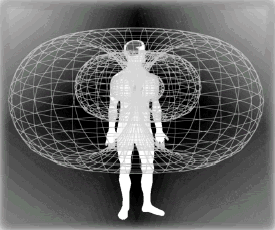
Your body is fundamentally electrical in nature. Every cell maintains a slight electrical charge, and proper cellular function depends on maintaining appropriate electromagnetic balance. When back injury or degeneration occurs, this delicate balance is disrupted, resulting in pain, inflammation, and impaired healing. PEMF therapy works by restoring proper electromagnetic signaling at the cellular level.
Research has shown that PEMF therapy can significantly reduce pain intensity in patients with chronic back pain. A clinical study published in the Journal of Pain Research demonstrated that patients receiving PEMF therapy experienced a 40% reduction in pain scores compared to control groups. More importantly, these improvements weren’t just temporary—many patients continued to report reduced pain levels months after treatment concluded.
How Pulsed Electromagnetic Fields Target Pain at the Cellular Level
PEMF therapy delivers targeted electromagnetic pulses that penetrate all layers of human tissue, reaching deep into the spine where many back problems originate. These pulses stimulate cellular activity in multiple ways: increasing blood flow to damaged areas, reducing inflammatory markers, and enhancing the cell membrane’s ability to transport nutrients and expel waste products. The cell membrane becomes more permeable, allowing for better nutrient absorption and more efficient removal of pain-causing inflammatory compounds. Additionally, PEMF therapy has been shown to stimulate the release of endorphins, your body’s natural painkillers, providing immediate relief while the deeper healing processes are activated.
ATP Production Increase: The 500% Energy Boost for Healing
One of the most remarkable effects of PEMF therapy is its ability to increase ATP (adenosine triphosphate) production by up to 500%. ATP is essentially your body’s cellular energy currency—the fuel that powers all healing processes. When back tissues are injured, they require significantly more energy to repair themselves. By dramatically boosting ATP production, PEMF therapy provides cells with the energy reserves they need to accelerate healing and tissue regeneration.
This energy boost is particularly beneficial for back injuries, where damaged tissues often struggle to receive adequate blood flow and nutrients. Intervertebral discs, which have notoriously poor blood supply, especially benefit from this enhanced cellular energy production. With more ATP available, cells can better execute their repair functions, synthesize new proteins, and eliminate accumulated toxins that contribute to pain and inflammation.
Breaking Down FSM: Frequency-Specific Microcurrent Explained
Frequency-Specific Microcurrent (FSM) takes PEMF therapy to the next level by incorporating precise frequencies that target specific tissues and conditions. FSM operates on the principle that different tissues and conditions respond to different electrical frequencies. For example, inflamed muscle tissue might respond to one frequency, while damaged nerve tissue responds to another entirely.
When integrated with PEMF therapy, FSM allows for extraordinary precision in treatment. The microcurrent used in FSM is so gentle that it’s subsensory—you won’t feel it working, but your cells will. This current matches the body’s natural electrical frequencies, making it particularly effective for deep-seated back pain that has been resistant to other treatments. The frequencies used in FSM have been meticulously mapped through decades of clinical research, creating a comprehensive approach for addressing various back pain conditions.
Our Favorite PEMF Therapy Device using Frequency Specific Microcurrent
A “ready-to-go” pocket sized therapy device, with 59 core protocols all preloaded
Check out The Vibe by Resona Health
5 Major Benefits of PEMF with FSM for Chronic Back Pain
For those suffering from persistent back pain, the combination of PEMF therapy with Frequency-Specific Microcurrent offers multiple pathways to relief. Unlike single-approach treatments, this comprehensive therapy addresses pain from multiple angles simultaneously, creating a synergistic healing effect that often succeeds where other treatments have failed.
1. Non-Invasive Alternative to Surgery
For many back pain sufferers, surgery is presented as the final option when other treatments fail. However, PEMF with FSM therapy offers a compelling non-invasive alternative that carries none of the risks associated with surgical intervention. There’s no recovery time, no risk of infection, no anesthesia complications, and no possibility of failed back surgery syndrome—a devastating condition where surgery actually worsens pain.
Many patients who were told surgery was their only option have found significant relief through consistent PEMF therapy, avoiding the operating room altogether. The therapy works by naturally enhancing the body’s healing capabilities rather than artificially altering anatomy, which often creates its own set of problems down the road.
2. Reduced Inflammation Without Medications
Chronic inflammation is a primary driver of back pain, yet long-term use of anti-inflammatory medications comes with serious risks including gastrointestinal bleeding, kidney damage, and cardiovascular problems. PEMF therapy reduces inflammation through natural cellular mechanisms, without the side effects associated with pharmaceutical interventions.
The electromagnetic pulses specifically target inflammatory markers like cytokines and interleukins, reducing their production while simultaneously enhancing anti-inflammatory processes. This dual action creates a powerful anti-inflammatory effect that addresses both the symptoms and causes of inflammation. Many patients report being able to reduce or eliminate their dependence on pain medications after consistent PEMF therapy.
3. Tissue Repair and Regeneration
Back injuries often involve damage to multiple tissue types—muscle, ligament, tendon, cartilage, and even bone. PEMF therapy enhances the repair process across all these tissues by improving cellular metabolism and increasing the production of growth factors necessary for healing. The therapy has been shown to accelerate collagen production, which is essential for repairing damaged structural tissues in the back.
Even more impressive is PEMF’s ability to enhance stem cell activity. These regenerative cells are critical for serious tissue repair, and PEMF therapy has been shown to increase their proliferation and activity. For degenerative back conditions, this regenerative capability offers hope for actual improvement rather than just symptom management.
4. Breaking Down Scar Tissue and Adhesions
Many chronic back pain conditions are perpetuated by the formation of scar tissue and adhesions that restrict movement and irritate surrounding structures. PEMF therapy helps break down this restrictive tissue by improving circulation to the area and enhancing the body’s natural remodeling processes. The specific frequencies used in FSM can target fibrotic tissue directly, helping to restore normal tissue architecture and function.
This benefit is particularly valuable for those who have undergone back surgery in the past, as post-surgical scarring is a common cause of persistent pain. By gradually breaking down these adhesions, PEMF therapy can restore mobility and reduce pain even years after the original injury or surgery.
5. Immediate Pain Relief with Long-Term Results
Perhaps the most welcome benefit for back pain sufferers is that PEMF therapy can provide immediate relief while simultaneously working on long-term healing. Many patients report feeling significant pain reduction even after their first session, as the therapy stimulates endorphin release and blocks pain signal transmission. This immediate relief provides the psychological boost needed to continue with treatment, unlike many therapies where benefits take weeks or months to manifest.
While the immediate pain relief is valuable, the true power of PEMF lies in its cumulative effects. With consistent treatment, the therapy creates progressive improvements in tissue health, gradually resolving the underlying causes of pain rather than just masking symptoms. This dual action—providing both immediate comfort and addressing root causes—makes PEMF therapy uniquely valuable in the treatment of persistent back pain.
Back Pain Conditions That Respond Best to PEMF Therapy
While PEMF with FSM can benefit many types of back pain, certain conditions show particularly strong responses to this therapy. Understanding which conditions respond best can help set realistic expectations for treatment outcomes.
Disc Injuries and Herniation
Intervertebral disc problems, including herniation, bulging, and degeneration, respond remarkably well to PEMF therapy. The discs between vertebrae have minimal blood supply, making them slow to heal through conventional means. PEMF therapy enhances cellular metabolism and nutrient delivery to these avascular structures, promoting repair in tissues that would otherwise struggle to heal.
Frequency-Specific PEMF can target both the damaged disc tissue and the surrounding inflammation that creates much of the pain. By reducing inflammation around nerve roots while simultaneously supporting disc repair, this therapy addresses both the immediate pain and the underlying structural problem. Many patients with disc herniations have avoided surgery through consistent PEMF therapy, even when other conservative treatments failed.
Muscle Strains and Spasms
Back muscle strains and chronic spasms are another condition that responds exceptionally well to PEMF therapy. The electromagnetic pulses help relax muscle tissue, breaking the cycle of spasm-pain-spasm that characterizes many back problems. This muscle relaxation effect happens quickly, often providing immediate relief during the treatment session itself.
Beyond simple relaxation, PEMF therapy enhances blood flow to strained muscles, speeding the removal of inflammatory compounds and lactic acid that contribute to pain. The improved circulation also delivers more oxygen and nutrients to the healing tissues, accelerating recovery from both acute injuries and chronic strain patterns.
Nerve-Related Back Pain
Nerve pain conditions like sciatica, radiculopathy, and neuropathy are particularly responsive to Frequency-Specific PEMF. The therapy reduces inflammation around compressed nerves while simultaneously supporting nerve cell repair and regeneration. For many patients with nerve pain that hasn’t responded to other treatments, PEMF provides the first real relief they’ve experienced.
The therapy works through multiple mechanisms to address nerve pain: reducing pressure on nerves from surrounding inflammation, improving nerve cell metabolism and repair functions, and modulating pain signal transmission. This multi-faceted approach makes it effective even for complex nerve pain conditions that have been resistant to conventional treatments. Learn more about the benefits of FSM and PEMF therapy.
What to Expect During a PEMF with FSM Treatment
If you’re considering PEMF therapy for back pain, understanding the treatment experience can help alleviate concerns and set appropriate expectations. The process is comfortable, non-invasive, and typically quite relaxing for most patients.
Step-by-Step Treatment Experience
During a typical treatment session, you’ll lie comfortably on a treatment table while PEMF applicators are positioned over your area of pain. These applicators might include pads, mats, or coil systems that deliver the electromagnetic pulses to targeted areas. For Frequency-Specific Microcurrent, additional electrodes may be placed on specific points related to your condition. A trained practitioner will select the appropriate frequencies and intensity levels based on your specific diagnosis and pain patterns.
The treatment itself is gentle and typically lasts between 30-60 minutes. Many patients report feeling a pleasant warmth or subtle pulsing sensation, though the microcurrent component is usually subsensory (below the threshold of feeling). Most people find the sessions deeply relaxing, with some even falling asleep during treatment. This relaxation response is actually beneficial, as it allows your body to shift into a parasympathetic state that supports healing.
Typical Treatment Protocols and Frequency
For most back pain conditions, practitioners recommend an initial series of 8-12 treatments administered 2-3 times per week. This intensive initial phase helps to break the pain cycle and initiate healing processes. Following this initial series, treatments are typically spaced out to weekly, then monthly sessions for maintenance. The exact protocol will be tailored to your specific condition and response to treatment.
Many patients notice improvements within the first 3-4 sessions, though more severe or chronic conditions may require more treatments before significant relief is experienced. Consistency is key—regular treatments produce cumulative benefits that build upon each other for progressive improvement.
Real Patient Experience: Scott’s Story
“After a workplace injury left me with a herniated L4-L5 disc, I was told surgery was my only option. The pain was so severe I couldn’t work or even play with my kids. After just six PEMF with FSM treatments at Resonant Frequency Medicine, I experienced a 70% reduction in pain. By the twelfth session, I was back at work part-time and could finally participate in family activities again. One year later, I maintain my improvement with monthly maintenance sessions and have completely avoided surgery.”
PEMF vs. Traditional Back Pain Treatments
To understand the unique advantages of PEMF therapy, it’s helpful to compare it with conventional approaches to back pain management. While traditional treatments certainly have their place, they often come with significant limitations that PEMF therapy can address.
Why Medications Often Fall Short
Pharmaceutical approaches to back pain typically focus on symptom suppression rather than addressing underlying causes. Pain medications may provide temporary relief, but they don’t facilitate actual healing of damaged tissues. Additionally, long-term use of pain medications comes with serious risks including dependency, tolerance (requiring ever-increasing doses), and organ damage.
PEMF therapy takes a fundamentally different approach by enhancing the body’s natural healing mechanisms rather than masking symptoms. It addresses the root causes of pain—inflammation, tissue damage, and cellular dysfunction—leading to more sustainable improvements. Many patients are able to reduce or eliminate their dependence on pain medications after consistent PEMF therapy, avoiding the side effects and risks associated with long-term pharmaceutical use.
The Limitations of Physical Therapy
While physical therapy is an essential component of back pain recovery, it relies on the body’s ability to respond to mechanical stimulus, which is often compromised in chronic pain conditions. When tissues are inflamed or damaged, exercise can sometimes exacerbate symptoms, creating a frustrating catch-22 where the very treatment needed becomes difficult to tolerate.
Avoiding the Risks of Surgery
Back surgery, while sometimes necessary, comes with significant risks including infection, nerve damage, failed back surgery syndrome, and lengthy recovery periods. The success rates for many back surgeries are surprisingly low, with a significant percentage of patients experiencing no improvement or even worsening of symptoms. For those seeking alternatives, Frequency Specific Microcurrent (FSM) therapy offers a non-invasive option with promising results.
PEMF therapy offers a non-invasive alternative that can either help patients avoid surgery altogether or, in cases where surgery is unavoidable, speed recovery and reduce post-surgical pain. By improving tissue health and reducing inflammation pre-surgically, PEMF can also help improve surgical outcomes for those who do require intervention.
How to Get Started with PEMF and FSM Therapy
If you’re interested in exploring PEMF with FSM therapy for your back pain, the first step is finding a qualified practitioner who specializes in Frequency-Specific PEMF. Resonant Frequency Medicine offers comprehensive evaluations and customized treatment protocols designed specifically for your back condition. Their practitioners have advanced training in both PEMF and FSM therapies, ensuring you receive the most effective frequencies for your specific diagnosis.
During your initial consultation, the practitioner will review your medical history, imaging studies, and previous treatments to develop a targeted approach for your back pain. They’ll explain the specific frequencies and protocols that will be used for your condition and establish realistic expectations for your treatment timeline. Most importantly, they’ll create a comprehensive plan that integrates PEMF therapy with other beneficial approaches to maximize your results.
Frequently Asked Questions
As you consider PEMF therapy for back pain relief, you likely have questions about what to expect. Here are answers to some of the most common questions patients ask before starting treatment.
- How quickly will I feel results from PEMF therapy?
- Is this therapy approved by medical authorities?
- Can I continue my current treatments while using PEMF?
- How long do the benefits last after treatment?
- What’s the difference between clinical PEMF and home devices?
The timeline for experiencing results varies based on your specific condition and its severity. Many patients report noticeable improvements after 3-4 sessions, though chronic conditions may require 8-12 treatments before significant changes occur. The key is consistency—each treatment builds upon the previous ones for cumulative benefits.
PEMF devices are FDA-cleared for several applications, including bone healing, pain management, and post-surgical recovery. The therapy has decades of clinical research supporting its safety and efficacy for various conditions, including back pain. Frequency-Specific Microcurrent is also recognized as a safe, non-invasive treatment modality with minimal risks.
Most patients can continue their current treatments while adding PEMF therapy to their regimen. In fact, PEMF often enhances the effectiveness of other approaches like physical therapy by reducing pain and inflammation that might otherwise limit participation. Your practitioner will discuss potential interactions with your current treatments during your initial consultation.
Is PEMF therapy with FSM painful?
No, PEMF therapy with FSM is completely painless. In fact, most patients find the treatments deeply relaxing. The electromagnetic pulses used in PEMF therapy are gentle and non-invasive, while the microcurrent component of FSM is subsensory, meaning it’s below the threshold of feeling. You might experience a gentle warming sensation or subtle pulsing feeling, but there should never be pain during treatment. For those interested in understanding more about the benefits, you can explore PEMF with FSM therapy benefits.
Many patients actually report an immediate reduction in their back pain during the session itself. This pain relief comes from several mechanisms: the release of endorphins, relaxation of muscle tension, increased blood flow to painful areas, and temporary interruption of pain signaling. The relaxation response triggered during treatment also contributes to pain relief by reducing stress hormones that can amplify pain perception.
How many sessions will I need for back pain relief?
The number of sessions required varies based on your specific condition, its severity, and how long you’ve been experiencing symptoms. For acute back injuries, 6-8 sessions may be sufficient to resolve pain and support healing. For chronic conditions that have persisted for months or years, an initial series of 10-12 sessions is typically recommended, followed by maintenance treatments as needed. Your practitioner will develop a customized treatment plan based on your initial evaluation and adjust it according to your response to therapy.
Can PEMF with FSM replace my current back pain treatment?
PEMF with FSM therapy works best as part of a comprehensive approach to back pain management. While some patients find they can reduce or eliminate medications after consistent PEMF therapy, it’s important to make these changes under medical supervision. PEMF therapy complements other conservative approaches like physical therapy, appropriate exercise, and proper ergonomics.
The therapy addresses underlying tissue damage and inflammation that may be limiting your response to other treatments. By improving tissue health and reducing pain, PEMF often enables patients to participate more fully in rehabilitative exercises that further support recovery. Think of it as creating the optimal conditions for other therapies to work more effectively, such as osteoarthritis relief with FSM therapy.
For many patients, PEMF therapy becomes the cornerstone of their pain management strategy, with other approaches playing supporting roles. The goal is always to reduce dependence on passive treatments over time as your back health improves.
|
Back Condition |
Typical Treatment Protocol |
Expected Timeline for Results |
|---|---|---|
|
Acute Muscle Strain |
6-8 sessions, 2-3x weekly |
Noticeable improvment within 1-2 sessions |
|
Herniated Disc |
10-12 sessions, 2-3x weekly |
Initial relief within 3-4 sessions, progressive improvement over 4-6 weeks |
|
Sciatica/Nerve Pain |
8-12 sessions, 2-3x weekly |
Gradual improvement beginning around session 3-5 |
|
Chronic Back Pain (>6 months) |
12-15 sessions, then maintenance |
Gradual improvement beginning around session 5-7 |
Are there any side effects of PEMF therapy?
PEMF therapy with FSM is remarkably free of side effects when properly administered. The most common response is a temporary increase in fatigue after initial treatments as the body begins its healing processes. Some patients may experience a temporary increase in symptoms during the first few sessions, known as a healing crisis, which typically resolves quickly and is followed by improvement. These responses are actually positive signs that the body is responding to treatment and beginning cellular repair processes.
Is PEMF with FSM covered by insurance?
Insurance coverage for PEMF and FSM therapy varies by provider and plan. Some insurance companies recognize these therapies under physical medicine codes, particularly when administered by licensed healthcare practitioners like physical therapists or chiropractors. Many practitioners offer superbills that you can submit to your insurance for possible reimbursement. Even without insurance coverage, many patients find the therapy to be cost-effective compared to ongoing medication costs, lost work time, and the potential expense of surgery.
If you’re struggling with persistent back pain that hasn’t responded to conventional treatments, PEMF therapy with FSM offers a promising alternative that addresses pain at its cellular source. By enhancing your body’s natural healing capabilities rather than masking symptoms, this therapy provides both immediate relief and long-term improvement for many back pain conditions.
Resonant Frequency Medicine specializes in customized PEMF protocols designed specifically for complex back pain conditions. Contact them today to schedule a consultation and discover how Frequency-Specific PEMF therapy can help you reclaim a pain-free, active life.


Leave a Reply