

Key Takeaways
- PEMF therapy uses electromagnetic fields to stimulate cellular repair and improve brain function, offering a non-invasive treatment for PTSD.
- Consistent use of PEMF therapy can enhance mood and reduce stress, complementing other PTSD treatments.
- Combining PEMF therapy with exercise, mindfulness, and nutrition can enhance its benefits for PTSD relief.
Introduction to PTSD and its Impact
Post-Traumatic Stress Disorder (PTSD) is a mental health condition that arises after experiencing or witnessing a traumatic event. It can affect anyone, from soldiers returning from war to individuals who have experienced personal trauma. The impact of PTSD is profound, affecting not just the individual, but also their relationships, work, and overall quality of life.
Understanding PTSD and its symptoms is the first step in managing this condition. While traditional treatments include therapy and medication, emerging therapies like Pulsed Electromagnetic Field (PEMF) therapy offer promising alternatives. Let’s explore how PEMF therapy can provide relief for those struggling with PTSD.
Understanding PTSD Symptoms
PTSD manifests through a variety of symptoms that can be debilitating.
1. Re-experiencing Symptoms
These symptoms involve reliving the traumatic event through:
- Flashbacks: Feeling as if the trauma is happening again.
- Nightmares: Distressing dreams related to the traumatic experience.
- Intrusive memories: Unwanted, recurrent memories of the trauma.
- Emotional distress: Severe reactions to reminders of the traumatic event, such as sweating or rapid heartbeat
2. Avoidance Symptoms
Individuals may try to avoid reminders of the trauma, which can include:
- Steering clear of places, activities, or people that trigger memories.
- Avoiding thoughts or conversations about the traumatic event
3. Negative Changes in Thinking and Mood
This category includes:
- Persistent negative thoughts about oneself or others.
- Feelings of guilt, shame, or blame.
- Emotional numbness or detachment from friends and family.
- Loss of interest in previously enjoyed activities.
- Difficulty experiencing positive emotions
4. Changes in Physical and Emotional Reactions (Arousal Symptoms)
These symptoms can manifest as:
- Being easily startled or feeling tense.
- Difficulty sleeping and concentrating.
- Irritability or angry outbursts.
- Engaging in self-destructive behaviors, such as excessive drinking
Besides that, PTSD can lead to other mental health issues such as depression, substance abuse, and suicidal thoughts. Therefore, addressing these symptoms promptly and effectively is crucial for recovery and healing.
Effects on Daily Life
Most importantly, PTSD affects social interactions and relationships. The inability to trust, communicate, or feel safe can lead to isolation and loneliness. Therefore, finding effective treatments that address both the psychological and physical aspects of PTSD is essential for comprehensive healing.
Exploring PEMF Therapy
PEMF therapy is an innovative approach that uses electromagnetic fields to promote healing and improve cellular function. It is a non-invasive treatment that has gained popularity for its potential to treat various conditions, including PTSD. But what exactly is PEMF therapy, and how does it work?
What is PEMF Therapy?
Pulsed Electromagnetic Field (PEMF) therapy involves the use of electromagnetic fields to stimulate and repair damaged cells. This therapy has been used for decades to treat various medical conditions, such as bone fractures and chronic pain. Recently, it has gained attention for its potential benefits in mental health, particularly for PTSD.
How it Works on the Body
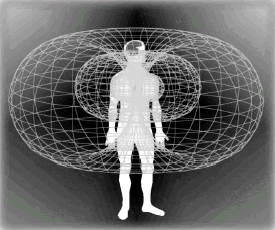
When the body is exposed to PEMF therapy, the electromagnetic fields interact with the body’s natural magnetic field. This interaction stimulates electrical activity within the cells, promoting cellular repair and regeneration. As a result, PEMF therapy can help balance neurotransmitter levels, improve brain function, and reduce symptoms of PTSD. For more information on managing pain, consider reading about PEMF therapy: Benefits, Uses, & Effects.
Moreover, PEMF therapy enhances the body’s natural healing processes by improving blood flow and oxygenation. This increased circulation helps deliver essential nutrients to cells, supporting overall health and well-being. The calming effect of PEMF therapy on the nervous system also contributes to stress reduction and relaxation, making it a valuable tool for managing PTSD symptoms.
Enhancing Overall Mood
One of the standout benefits of PEMF therapy is its ability to enhance overall mood. By stimulating brain regions associated with mood regulation, PEMF therapy can help alleviate feelings of anxiety and depression commonly experienced by those with PTSD. This improvement in mood is often one of the first noticeable effects of regular PEMF sessions.
Most importantly, the calming effect of PEMF therapy helps individuals feel more at ease, reducing irritability and emotional distress. This sense of calm can lead to improved interactions with others and a more positive outlook on life. As mood improves, individuals often find themselves more motivated to engage in activities and pursue their interests. For more information on managing depression, consider reading about PEMF therapy for depression.
Steps to Implement PEMF Therapy
Implementing PEMF therapy into your routine requires careful planning and consideration. To maximize the benefits, it’s essential to follow a structured approach that includes selecting the right device, understanding session frequency, and incorporating it into a broader wellness plan. For instance, PEMF therapy benefits for injured athletes can provide insights into how to effectively integrate it into your lifestyle. Here’s how you can get started:
- Research different PEMF devices to find one that suits your needs and budget.
- Consult with a healthcare provider to determine the appropriate frequency and duration of sessions.
- Create a comfortable and quiet space for your therapy sessions.
- Track your symptoms and progress to adjust the therapy as needed.
By following these steps, you can ensure that PEMF therapy becomes an effective part of your PTSD management strategy. Remember, consistency is key to experiencing the full benefits of this therapy.
Finding the Right Device
Choosing the right PEMF device is crucial for effective therapy. Devices vary in intensity, frequency range, and application methods. Some are designed for professional use, while others are suitable for home use. Consider factors such as ease of use, portability, and price when making your decision.
Additionally, reading reviews and testimonials from other users can provide valuable insights into the effectiveness and reliability of different devices. It’s also beneficial to consult with a healthcare provider or therapist who is knowledgeable about PEMF therapy to guide your choice.
Our Favorite PEMF Therapy Device using Frequency Specific Microcurrent
A “ready-to-go” pocket sized therapy device, with 59 core protocols all preloaded
Check out The Vibe by Resona Health
Additional Natural Remedies Complementing PEMF Therapy
While PEMF therapy is a powerful tool for managing PTSD, combining it with other natural remedies can enhance its effectiveness. Integrating physical activity, mindfulness practices, and nutritional support can create a comprehensive approach to healing and recovery.
1. Exercise and Physical Activity
Exercise is a well-known remedy for improving mental health. Engaging in regular physical activity releases endorphins, which are natural mood lifters. Exercise also helps reduce stress and anxiety, making it a perfect complement to PEMF therapy.
Consider activities like walking, swimming, or yoga, which are gentle on the body but effective in boosting mood and energy levels. Aim for at least 30 minutes of moderate exercise most days of the week to experience these benefits. For those dealing with sleep issues, PEMF therapy for insomnia can also be a beneficial addition to your routine.
2. Mindfulness and Meditation Practices
Mindfulness and meditation practices are powerful tools for calming the mind and reducing stress. These practices teach individuals to focus on the present moment, helping to break the cycle of negative thoughts often associated with migraines and headaches.
Incorporating mindfulness exercises, such as deep breathing, progressive muscle relaxation, or guided meditation, can enhance the calming effects of PEMF therapy. Regular practice can lead to improved emotional regulation and a greater sense of inner peace.
3. Nutritional Support
A balanced diet plays a crucial role in mental health. Consuming nutrient-rich foods can support brain function and improve mood. Focus on a diet rich in fruits, vegetables, whole grains, lean proteins, and healthy fats to provide the nutrients your body needs.
Research and Case Studies
Research into PEMF therapy for PTSD is ongoing, with promising results emerging from various studies. These studies highlight the potential of PEMF therapy as a viable treatment option for managing PTSD symptoms.
A home clinical trial found 92% of study participants achieved a reduction in PTSD symptoms using the Resona Health PEMF device (Pulsar XO) in a 30-day test period, by running the therapy 3-4 times per week on average. There were no drugs or chemicals used in this study.
This study highlights the potential of PEMF as a safe and effective alternative therapy for anxiety disorders, including PTSD. PEMFs have shown promise in reducing symptoms, particularly with home-based, portable devices that stimulate alpha brainwaves and enhance sleep. While PEMFs offer long-term benefits, combining them with traditional treatments like cognitive behavioral therapy and medications may yield the best outcomes.
Conclusion
PEMF therapy offers a non-invasive, drug-free alternative to traditional PTSD treatments. While it may not replace conventional therapies, it can complement them by enhancing overall outcomes and providing additional symptom relief.
Frequently Asked Questions (FAQ)
As with any therapy, questions and concerns about PEMF therapy are common. Here, we address some frequently asked questions to provide clarity and guidance for those considering this treatment option.
Can everyone use PEMF Therapy?
PEMF therapy is generally safe for most individuals, but it’s essential to consult with a healthcare provider before starting treatment. Certain conditions, such as pregnancy or having an implanted electronic device, may require special consideration or alternative therapies.
Healthcare providers can assess individual health status and determine if PEMF therapy is appropriate, ensuring a safe and effective treatment experience.
How soon can improvements be noticed?
Improvements with PEMF therapy can vary based on individual circumstances and the severity of PTSD symptoms. Some individuals report feeling more relaxed and experiencing better sleep after just a few sessions, while others may require several weeks to notice significant changes.
Consistency is key, and tracking progress can help individuals determine the effectiveness of the therapy and make necessary adjustments.
Are there any side effects?
PEMF therapy is generally well-tolerated, with few reported side effects. Some individuals may experience mild sensations during treatment, such as tingling or warmth, but these effects are usually temporary and subside after the session.
Is PEMF Therapy a standalone solution?
While PEMF therapy offers significant benefits, it is most effective when used as part of a comprehensive treatment plan. Combining PEMF therapy with other therapies, such as counseling or medication, can provide a holistic approach to PTSD management.
References:
- Hossain, M., et al. (2013). Pulsed electromagnetic field attenuated PTSD-induced failure of conditioned fear extinction in rats. PMC6570745.
- CTV Veeva (2021). Pulsed ElectroMagnetic Field (PEMF) Therapy in Treating Post Traumatic Stress Disorder (PTSD). ClinicalTrials.gov.
- GetPulsed.org (2022). PEMF Therapy in Treating Post-Traumatic Stress Disorder (PTSD).
- NCET (2022). Results of Our Pilot Study on PEMF Therapy for PTSD & Trauma.


Leave a Reply