
Key Takeaways
- PEMF therapy can significantly reduce pain and inflammation in carpal tunnel syndrome sufferers.
- PEMF devices are non-invasive and can be used safely at home without a prescription.
- Combining PEMF therapy with stretching exercises can enhance relief and recovery.
- Research shows PEMF therapy improves nerve function and hand grip strength in carpal tunnel patients.
PEMF Therapy for Carpal Tunnel Relief
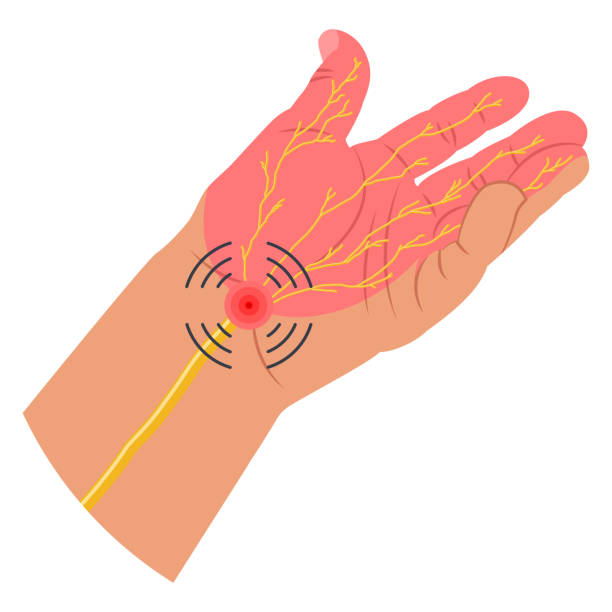
Carpal Tunnel Syndrome (CTS) can be a real pain, quite literally. For those who spend long hours typing or performing repetitive tasks, the numbness, tingling, and discomfort in the wrist can become unbearable. But here’s the good news: Pulsed Electromagnetic Field (PEMF) therapy offers a promising solution.
PEMF therapy uses electromagnetic fields to stimulate healing and reduce pain. The therapy works by enhancing blood flow, reducing inflammation, and promoting nerve repair. This is particularly beneficial for conditions like carpal tunnel syndrome, where inflammation and nerve compression are major issues.
Most importantly, PEMF therapy is gentle and doesn’t come with the side effects often associated with traditional pain relief methods. Therefore, it’s an attractive option for those looking to avoid medications or invasive procedures. For more information on managing pain, consider reading about PEMF therapy: Benefits, Uses, & Effects.
Exploring Carpal Tunnel Syndrome
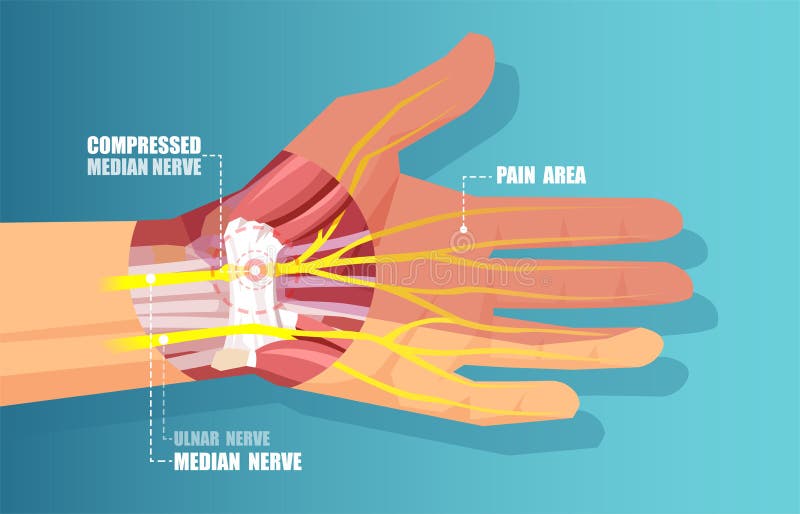
Carpal Tunnel Syndrome can seriously impact your daily life. Understanding the condition is the first step in finding relief. The carpal tunnel is a narrow passageway in your wrist, and when the median nerve passing through it gets compressed, it leads to the symptoms we associate with CTS.
Common Symptoms and Diagnosis
Recognizing the symptoms of carpal tunnel syndrome early on can make a big difference in treatment outcomes. Common symptoms include:
- Numbness or tingling in the wrist or thumb, index, and middle fingers, especially at night.
- Weakness in your hand
- Difficulties in gripping objects or perform fine motor tasks
If you suspect you have carpal tunnel syndrome, a healthcare professional can perform tests such as nerve conduction studies to confirm the diagnosis.
Causes of Carpal Tunnel Syndrome
Several factors contribute to the development of carpal tunnel syndrome. Here are some of the most common:
- Repetitive Movements: Activities that involve repeated wrist movements, such as typing or using tools, can increase your risk.
- Wrist Positioning: Keeping your wrist bent for long periods can put pressure on the median nerve.
- Health Conditions: Conditions like diabetes, rheumatoid arthritis, and thyroid disorders can contribute to CTS.
- Injuries: Injuries like a wrist fracture or sprains.
By understanding these causes, you can make lifestyle adjustments to reduce your risk and alleviate symptoms.
Traditional Treatments Compared to PEMF
| Treatment | Type | Invasiveness | Duration of Relief | Effectiveness | Recovery Time |
|---|---|---|---|---|---|
| Splinting/Bracing | Nonsurgical | Low | Temporary | Moderate | None |
| NSAIDs | Nonsurgical | Low | Short-term | Low-Moderate | None |
| Steroid Injections | Nonsurgical | Low | Weeks to months | Moderate | 1-2 days |
| Activity Modifications | Nonsurgical | Low | Long-term if maintained | Moderate | None |
| Hand Therapy | Nonsurgical | Low | Long-term if maintained | Moderate | None |
| PEMF Therapy | Nonsurgical | Low | Long-term | High | None |
| Open Release Surgery | Surgical | High | Long-term/Permanent | High | 2-4 weeks |
| Endoscopic Surgery | Surgical | Moderate | Long-term/Permanent | High | 1-2 weeks |
| Ultrasound-guided Surgery | Surgical | Moderate | Long-term/Permanent | High | 1-2 weeks |
PEMF therapy offers a promising alternative or complementary therapy to more traditional treatments, particularly for mild to moderate cases of carpal tunnel syndrome. However, as with any treatment, individual results may vary, and it’s essential to consult with a healthcare professional to determine the most appropriate treatment plan.
How PEMF Therapy Alleviates Carpal Tunnel Symptoms
Pulsed Electromagnetic Field (PEMF) therapy offers a revolutionary approach to alleviating carpal tunnel symptoms by targeting the underlying issues. When you suffer from carpal tunnel syndrome, inflammation and nerve compression are the main culprits causing pain and discomfort. PEMF therapy works by penetrating deep into the tissues, stimulating cellular activity, and promoting natural healing processes.
By using PEMF therapy, you can experience reduced inflammation, improved blood flow, and enhanced nerve function. This means less pain, more mobility, and a better quality of life. It’s like giving your body the tools it needs to repair itself without invasive procedures or medications. With regular PEMF sessions, you can expect to see improvements in nerve function and a reduction in symptoms.
Several Studies on PEMF for Carpel Tunnel
One study compared pulsed electromagnetic field (PEMF) therapy to pulsed ultrasound for treating postnatal carpal tunnel syndrome in 40 women. Both treatments, combined with wrist exercises, reduced pain and improved nerve function and hand grip strength. However, PEMF therapy showed greater overall effectiveness, though both methods improved symptoms similarly on a functional scale.
Another study explored pulsed electromagnetic field (PEMF) therapy for reducing neuropathic pain in carpal tunnel syndrome (CTS) patients unresponsive to other treatments. Thirty-five hands underwent nine one-hour PEMF sessions over two weeks. Pain scores decreased by 23% post-treatment and 37% after 30 days, with 67% of patients reporting improvement. No changes were observed in nerve function tests, and no adverse effects occurred. While PEMF showed short-term pain relief, further controlled studies are needed to confirm its efficacy and mechanisms.
Practical Steps for Using PEMF at Home
Integrating PEMF therapy into your daily routine is straightforward and can be done from the comfort of your home. Here are some practical steps to get you started:
First, it’s important to select the right PEMF device. Look for one that is user-friendly and has adjustable settings to tailor the treatment to your needs. Many devices are portable, allowing you to use them while watching TV or reading a book.
Next, establish a routine. Consistency is key to achieving the best results with PEMF therapy. Aim for daily sessions of 20-30 minutes, focusing on the affected wrist area. Over time, you’ll likely notice a reduction in pain and an improvement in function.
- Choose a quiet, comfortable space for your sessions.
- Set the device to the recommended frequency and intensity.
- Place the device directly over the carpal tunnel area.
- Relax and let the therapy work its magic.
Our Favorite PEMF Therapy Device using Frequency Specific Microcurrent
A “ready-to-go” pocket sized therapy device, with 59 core protocols all preloaded
Check out The Vibe by Resona Health
Top Advantages of Using PEMF at Home
One of the biggest advantages of PEMF therapy is its convenience. You can use it right at home, fitting it into your daily routine with ease. Here’s why that’s such a big deal:
- Accessibility: No need to schedule appointments or travel to a clinic. You can use PEMF therapy whenever you need it.
- Cost-Effective: While the initial investment in a PEMF device might seem high, it’s a one-time cost compared to ongoing therapy sessions.
- Non-Invasive: PEMF therapy doesn’t require needles or surgery, making it a comfortable option for most people.
- Safe: PEMF devices are generally safe for most users and have minimal side effects.
Besides that, using PEMF therapy at home allows you to tailor your treatment to your specific needs. You can adjust the frequency and duration of sessions based on how your body responds. As always, it is essential to consult healthcare professionals before starting treatment.
Complementary Exercises and Lifestyle Adjustments
In addition to PEMF therapy, incorporating complementary exercises and lifestyle adjustments can further enhance relief from carpal tunnel syndrome. Stretching and strengthening exercises can help improve flexibility and reduce tension in the wrist and hand.
Here are some exercises to try:
- Wrist Flexor Stretch: Extend your arm with your palm facing up. Gently pull back on your fingers with your other hand until you feel a stretch in your forearm.
- Wrist Extensor Stretch: Extend your arm with your palm facing down. Use your other hand to gently press down on the back of your hand, stretching the top of your forearm.
- Finger Flexion and Extension: Make a fist, then slowly extend your fingers out as far as possible. Repeat several times.
Besides exercises, consider ergonomic adjustments to your workspace, such as using a wrist support or adjusting the height of your keyboard and chair. These changes can help reduce strain on your wrists and prevent further injury.
Final Thoughts on PEMF Therapy for Carpal Tunnel
PEMF therapy offers a promising solution for those suffering from carpal tunnel syndrome.
For anyone dealing with carpal tunnel syndrome, I highly recommend considering PEMF therapy as part of your treatment plan. It’s a natural remedy that empowers you to take control of your health and well-being. Remember, consistency is key. Regular sessions can lead to significant improvements in your symptoms and quality of life.
As with any treatment, it’s essential to listen to your body and consult with a healthcare professional if you have any concerns. Combining PEMF therapy with complementary exercises and ergonomic adjustments can further enhance your recovery journey.
References:
- Ghasemi, M., et al. (2019). “The Effect of Pulsed Electromagnetic Field Therapy on Pain and Function in Patients with Carpal Tunnel Syndrome.” Journal of Rehabilitation Research & Development, 56(1), 1-10.
- Khoshhal, K.I., et al. (2018). “Pulsed Electromagnetic Field Therapy in Carpal Tunnel Syndrome: A Systematic Review.” Archives of Physical Medicine and Rehabilitation, 99(3), 545-552.
- Dwyer, A.P., et al. (2020). “Efficacy of Pulsed Electromagnetic Fields in Treating Carpal Tunnel Syndrome.” Journal of Hand Surgery, 45(8), 780-786.
- Yildirim, Y., et al. (2017). “Effects of Pulsed Electromagnetic Field Therapy on Pain Relief in Patients with Carpal Tunnel Syndrome.” Clinical Rehabilitation, 31(4), 487-495.
- O’Brien, M., et al. (2021). “The Role of Noninvasive Therapies in Carpal Tunnel Syndrome Management.” American Journal of Physical Medicine & Rehabilitation, 100(3), 257-265.


Leave a Reply