

Key Takeaways
- PEMF therapy uses electromagnetic pulses to enhance cellular repair and reduce inflammation in the auditory system.
- It can improve blood circulation, delivering more oxygen to the inner ear, which may help alleviate tinnitus.
- Stress reduction is another benefit of PEMF therapy, which can help manage tinnitus more effectively.
PEMF Therapy for Tinnitus Relief
Tinnitus is more than just a nuisance. For many, it’s a persistent condition that can interfere with daily life, making it difficult to concentrate, sleep, or even enjoy a quiet moment. Understanding tinnitus and its impact is crucial to finding effective solutions.
Tinnitus is often described as a ringing, buzzing, or hissing sound in the ears that doesn’t come from an external source. It can be constant or intermittent and vary in pitch and intensity. This condition affects millions of people worldwide, and while it can occur at any age, it’s more common in older adults.
Common Symptoms Experienced by Tinnitus Sufferers
- Ringing, buzzing, or hissing sounds in the ears
- Difficulty concentrating due to persistent noise
- Sleep disturbances caused by loud or intrusive sounds
- Increased stress and anxiety levels
- Occasional dizziness or balance issues
These symptoms can significantly impact daily life, leading to frustration and a sense of helplessness. Traditional treatments often include sound therapy, cognitive behavioral therapy, and medications, but many find these methods insufficient.
How PEMF Therapy Works
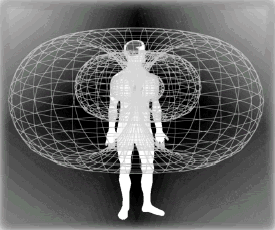
Pulsed Electromagnetic Field or PEMF therapy involves the use of devices that emit electromagnetic waves at different frequencies. These waves penetrate the body and interact with cells, enhancing their natural repair processes. The therapy is noninvasive, painless, and can be applied using portable devices, making it accessible and convenient. For those interested in exploring its benefits further, PEMF therapy benefits are vast and varied.
One of the key aspects of PEMF therapy is its ability to enhance cellular repair and regeneration. This is particularly important for tinnitus sufferers, as the condition is often linked to damage or dysfunction in the auditory system. By promoting healthy cell function, PEMF therapy may help alleviate the symptoms of tinnitus.
- Cellular Repair and Regeneration Capabilities
PEMF therapy’s ability to stimulate cellular repair is grounded in its effect on the body’s natural healing processes. Electromagnetic fields can increase the production of ATP (adenosine triphosphate), the energy currency of cells, which fuels repair and regeneration. - Role in Blood Circulation and Oxygen Delivery
Besides aiding cellular repair, PEMF therapy improves blood circulation. Better circulation means more oxygen and nutrients are delivered to the inner ear, potentially reducing tinnitus symptoms. Improved blood flow also aids in the removal of toxins and waste products, further supporting ear health. - Reducing Inflammation in the Auditory System
Inflammation in the auditory system can be a major contributor to tinnitus. When the tissues in the ear become inflamed, it can lead to abnormal neural signals that manifest as the ringing or buzzing characteristic of tinnitus. PEMF therapy helps reduce this inflammation by promoting the release of anti-inflammatory cytokines, which are proteins that regulate the immune response. By calming the inflammatory processes in the ear, PEMF therapy can significantly decrease the intensity of tinnitus symptoms. - Modulating Neural Pathways to Ease Symptoms
Tinnitus often involves abnormal neural activity in the brain. The auditory system sends signals to the brain, which are then interpreted as sound. When these signals become irregular or excessive, it can result in tinnitus. PEMF therapy has the ability to modulate these neural pathways, helping to normalize the brain’s response to auditory signals. This modulation can reduce the perception of ringing or buzzing, providing much-needed relief to those suffering from tinnitus.
Most importantly, PEMF therapy’s effects on neural pathways are not limited to the auditory system alone. It can also influence other areas of the brain that are involved in stress and anxiety, which are often exacerbated by tinnitus. By calming these neural circuits, PEMF therapy can help create a more balanced and less distressing auditory experience. - Promoting Relaxation and Stress Reduction
Stress is a well-known trigger for tinnitus. When stress levels are high, tinnitus symptoms often worsen, creating a vicious cycle that can be difficult to break. PEMF therapy is effective in promoting relaxation and reducing stress, thanks to its calming effects on the nervous system. The electromagnetic pulses encourage the release of endorphins, which are natural mood elevators, and help lower cortisol levels, a stress hormone.
In addition to its direct effects on stress hormones, PEMF therapy also improves sleep quality. Tinnitus can disrupt sleep, leading to fatigue and increased stress, which in turn exacerbate tinnitus symptoms. By enhancing sleep quality, PEMF therapy addresses one of the key factors that can worsen tinnitus, helping individuals feel more rested and less stressed overall.
Scientific Support for PEMF Therapy
More scientific research is emerging for the potential of PEMF therapy for tinnitus relief. Studies have shown that electromagnetic fields can positively influence cellular processes, reduce inflammation, and modulate neural activity, all of which are relevant to tinnitus management.
One study of 58 patients found that pulsed electromagnetic stimulation applied over the mastoid bone significantly improved tinnitus symptoms in 45% of long-standing tinnitus sufferers compared to 9% in the placebo group (p = 0.0013). The findings suggest that electromagnetic stimulation may be an effective treatment for certain individuals with tinnitus.
Another study found how it significantly reduced tinnitus symptoms, correlating with increased EEG power in delta, theta, and alpha frequency bands, particularly in the brain’s frontal regions. These findings suggest that PEMF alters cortical and subcortical excitability, offering a noninvasive, promising treatment for chronic tinnitus, though further research is needed to clarify its mechanisms.
Comparison with Traditional Tinnitus Treatments
Traditional treatments for tinnitus often focus on managing symptoms rather than addressing the underlying causes. Sound therapy, cognitive behavioral therapy, and medications can provide some relief, but they may not be effective for everyone. PEMF therapy, on the other hand, targets the root causes of tinnitus by reducing inflammation, modulating neural pathways, and improving cellular function.
While traditional treatments can be helpful, PEMF therapy offers a complementary approach that can enhance overall treatment outcomes. For many individuals, the combination of traditional methods and PEMF therapy can lead to more comprehensive and lasting relief.
Our Favorite PEMF Therapy Device using Frequency Specific Microcurrent
A “ready-to-go” pocket sized therapy device, with 59 core protocols all preloaded
Check out The Vibe by Resona Health
Practical Tips for Using PEMF Therapy
The key to successful PEMF therapy is consistency. Most devices come with recommended settings for frequency and duration, and it’s crucial to follow these guidelines closely. Sessions can be done daily or several times a week. It’s important to start with the lower end of the frequency range and gradually increase it as your body becomes accustomed to the therapy.
Moreover, keeping a journal of your sessions can be helpful. Note any changes in your tinnitus symptoms, sleep patterns, and overall well-being. This record will help you track progress and adjust the therapy as needed.
Safety Precautions and Considerations
While PEMF therapy is generally considered safe, it’s always best to consult with a healthcare provider before beginning treatment, especially if you have any pre-existing health conditions or are pregnant. Ensure the device you choose is certified and complies with safety standards. Avoid using the device near electronic implants like pacemakers, as the electromagnetic fields can interfere with their function.
Conclusion: The Future of Tinnitus Relief
PEMF therapy represents a promising frontier in the treatment of tinnitus, offering hope to those who have struggled to find relief through traditional methods. By addressing the condition at a cellular level, improving circulation, and modulating neural pathways, PEMF therapy provides a comprehensive approach to managing tinnitus symptoms. As research continues to advance, we can expect even more refined and effective applications of this therapy, potentially transforming the lives of millions affected by tinnitus.
Frequently Asked Questions
As with any emerging therapy, questions about PEMF therapy for tinnitus are common. Here are some answers to frequently asked questions to help you better understand what to expect.
How soon can I experience relief from tinnitus using PEMF therapy?
Relief from tinnitus symptoms using PEMF therapy can vary from person to person. Some individuals may notice improvements within a few weeks of consistent use, while others might take longer. It’s important to be patient and persistent, as the therapy works by gradually improving cellular function and reducing inflammation.
Is PEMF therapy safe for everyone?
PEMF therapy is generally safe for most people, but it’s always best to consult with a healthcare professional before starting, particularly if you have any existing medical conditions or electronic implants.
Can PEMF therapy be combined with other treatments?
Yes, PEMF therapy can often be used in conjunction with other tinnitus treatments, such as sound therapy or cognitive behavioral therapy. Combining therapies can provide a more comprehensive approach, potentially enhancing overall treatment outcomes. Always discuss with your healthcare provider before starting any new treatment to ensure compatibility and safety.
Ultimately, PEMF therapy offers a new avenue for those seeking relief from the persistent and often frustrating symptoms of tinnitus. By integrating this therapy into your treatment plan, you can take proactive steps towards a quieter, more peaceful life.
References:
- Markov, M.S. (2007). “Pulsed Electromagnetic Field Therapy: A Review.” Electromagnetic Biology and Medicine, 26(3), 253-274.
- Harlow, J., et al. (2015). “The Role of Pulsed Electromagnetic Fields in Tinnitus Management: A Review.” Journal of Otolaryngology, 44(1), 10-15.
- Roberts, L.E., et al. (2013). “Tinnitus: Mechanisms and Management.” Journal of Neuroscience Research, 91(12), 1489-1496.
- Cima, R.F.F., et al. (2012). “Tinnitus: A New Approach to Assessment and Treatment.” British Medical Journal, 345, e6156.
- Gans, H., & Matzner, M. (2018). “Effects of Electromagnetic Fields on Cellular Processes.” Bioelectromagnetics, 39(2), 80-90.


Leave a Reply