

Key Takeaways
- PEMF therapy is a non-invasive, drug-free method to reduce pet anxiety.
- It works by using electromagnetic fields to stimulate cellular repair and reduce stress.
- Common anxiety symptoms in pets include excessive barking, pacing, and destructive behavior.
Introduction to PEMF Therapy for Pet Anxiety
Many pet owners struggle with managing their animal’s anxiety. Whether it’s separation anxiety, fear of loud noises, or general stress, finding a safe and effective treatment can be challenging. PEMF therapy is gaining popularity as a viable option, offering a gentle yet powerful way to help pets stay calm. PEMF therapy is not just for humans; it’s also an effective treatment for pets suffering from anxiety. Understanding how it works and its benefits can help pet owners make informed decisions for their furry companions.
Understanding Pet Anxiety
Pet anxiety is a common issue that affects animals of all ages and breeds.
Symptoms can vary, but for dogs they often include:
- aggression
- drooling or panting
- urinating or defecating in the house
- excessive barking
- pacing or trembling
- destructive behavior
For cats symptoms often include:
- body language changes
- hiding or escaping
- urinating or defecating in the house
- over grooming
- excessive vocalization
- appetite changes
Several factors can contribute to pet anxiety, including changes in routine, unfamiliar environments, loud sounds, illness/pain, and past traumatic experiences. Understanding the root cause of your pet’s anxiety is crucial for choosing the right treatment.
Overview of PEMF Therapy
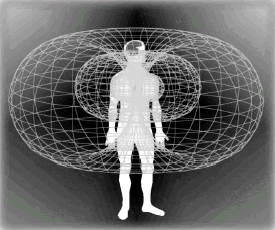
Pulsed Electromagnetic Field (PEMF) therapy is increasingly recognized as a promising natural remedy for managing pet anxiety. PEMF therapy involves using electromagnetic fields to stimulate the body’s natural healing processes. These fields penetrate deep into the body, promoting cellular repair and reducing inflammation. Besides treating physical problems, PEMF therapy is also known to help with anxiety.
Originally developed for human use, PEMF therapy has been adapted for animals with great success. It is safe, with minimal side effects, and can be used alongside other treatments to enhance its effectiveness.
How PEMF Therapy Alleviates Pet Anxiety
PEMF therapy works by targeting the body’s cells and tissues, encouraging them to repair and regenerate. This process helps to reduce stress and promote relaxation, making it an effective treatment for anxiety.
Mechanisms of Action
The electromagnetic fields used in PEMF therapy influences neurotransmitters involved in mood regulation. This, in turn, helps to calm the nervous system and alleviate anxiety symptoms.
Additionally, PEMF therapy enhances circulation, delivering more oxygen and nutrients to the cells. This boost in cellular health can lead to a more balanced mood and improved overall well-being for your pet.
Scientific Support and Studies
Research into the effects of PEMF therapy on animals is still emerging, but initial studies show promising results. For instance, a study found that PEMF therapy significantly reduced “anxiety-like behaviors” in rats.
Administering PEMF Therapy to Pets
Choosing the Right PEMF Device
Selecting the appropriate PEMF device for your pet is crucial. Devices vary in size, frequency settings, and application methods. It’s important to choose a device specifically designed for animals, as these are calibrated to suit their unique needs. Consult with your veterinarian to find a device that matches your pet’s size and condition.
Our Favorite PEMF Therapy Device using Frequency Specific Microcurrent
A “ready-to-go” pocket sized therapy device, with 59 core protocols all preloaded
Check out The Vibe by Resona Health
Guidelines for Safe Use
Safety is paramount when using PEMF therapy. Always follow the manufacturer’s instructions and start with the lowest frequency setting to gauge your pet’s response. Gradually increase the frequency as needed, but never exceed the recommended levels.
Ensure that your pet is comfortable during the treatment. Some pets may be initially wary of the device, so it’s essential to create a calm environment and offer reassurance. Monitoring your pet’s behavior and physical response is crucial; discontinue use if any adverse reactions occur.
Additionally, keep sessions short, especially at the beginning. Depending on the severity of the anxiety and the pet’s tolerance, sessions may vary depending on individual cases. Regular sessions, often daily or several times a week, can lead to the best outcomes.
Integrating PEMF with Other Anxiety Treatments
PEMF therapy can be combined with other anxiety management strategies to enhance its effectiveness. Behavioral training, environmental modifications, and dietary adjustments are common complementary approaches. For instance, creating a safe space for your pet can work alongside PEMF therapy.
Discuss with your veterinarian the possibility of integrating PEMF therapy with other treatments. They can offer guidance on creating a balanced approach that addresses both the physical and emotional needs of your pet.
Benefits Beyond Anxiety Management
While PEMF therapy is primarily used for anxiety management, it offers additional health benefits that can enhance your pet’s overall quality of life. These benefits make PEMF therapy a versatile tool in pet care.
Improved circulation leads to better oxygen and nutrient delivery to cells, which can boost energy levels and vitality in pets. This enhancement can be particularly beneficial for older animals or those recovering from illness or injury.
Moreover, PEMF therapy supports joint health by reducing inflammation and promoting cartilage repair. This can be especially valuable for pets with arthritis or other joint-related issues, helping them move more comfortably and with less pain. For more information on how PEMF therapy can aid in recovery, you can explore its benefits for post-surgical pain relief.
Final Thoughts on Using PEMF for Pet Anxiety
PEMF therapy offers a promising alternative for managing pet anxiety, providing a natural and non-invasive solution that addresses the root causes of stress. By promoting cellular health and reducing inflammation, PEMF therapy for dogs and cats can help pets feel more relaxed and balanced. It’s essential to approach this therapy with guidance from a veterinarian to ensure it’s suitable for your pet’s specific needs.
References:
- Shafiei, M., et al. (2014). Effects of pulsed electromagnetic fields on cognitive and biochemical parameters in rats with diabetes. Neurological Sciences, 35(10), 1567-1574.
- Gaynor, J. S., et al. (2018). The effect of pulsed electromagnetic field therapy on osteoarthritis of the canine stifle: a double blind, placebo-controlled study. Veterinary Medicine: Research and Reports, 9, 53-62.
- Pinna, S., et al. (2021). The use of pulsed electromagnetic field in canine rehabilitation. Frontiers in Veterinary Science, 8, 708167.
- Millis, D. L., & Ciuperca, I. A. (2015). Evidence for canine rehabilitation and physical therapy. Veterinary Clinics: Small Animal Practice, 45(1), 1-27.
- Overall, K. L. (2013). Manual of Clinical Behavioral Medicine for Dogs and Cats. Elsevier Health Sciences.


Leave a Reply