
Key Takeaways
- PEMF therapy is a non-invasive treatment that uses electromagnetic fields to promote healing and improve wellness in pets.
- It is beneficial for pets suffering from arthritis, chronic pain, and post-surgical recovery.
- PEMF therapy is safe for both cats and dogs and does not cause pain or discomfort.
- Regular PEMF sessions can lead to long-term improvements in mobility and pain management.

PEMF Therapy for Pet Wellness
In the world of pet care, ensuring our furry friends live healthy and happy lives is paramount. One of the most groundbreaking methods emerging in veterinary medicine is Pulsed Electromagnetic Field (PEMF) therapy. This innovative approach provides a non-invasive solution to many common pet ailments, enhancing their quality of life significantly.
- Non-invasive and drug-free treatment
- Improves circulation and cellular health
- Supports recovery from injuries and surgeries
- Reduces inflammation and pain
- Enhances mobility in senior pets
PEMF therapy is not just a fleeting trend. It has proven to be a reliable and effective treatment for pets across various conditions. By stimulating cellular repair and growth, this therapy can make a world of difference in your pet’s health journey.
Helping Pets with Non-Invasive Solutions
Many pet owners are turning to PEMF therapy because it offers a gentle yet effective solution to their pets’ health issues. Unlike traditional treatments that might involve medication or surgery, PEMF therapy is entirely non-invasive. This means no needles, no drugs, and no stress for your beloved pet.
Enhanced Quality of Life for Aging Pets
As pets age, they often face challenges like arthritis and decreased mobility. PEMF therapy has shown remarkable results in improving the quality of life for senior pets. By targeting the root of the problem—cellular dysfunction—it helps reduce pain and enhance joint health.
Understanding PEMF Therapy
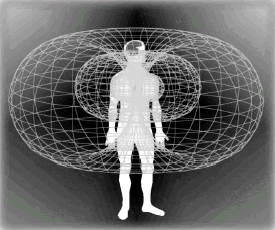
PEMF or Pulsed Electromagnetic Field therapy might sound complex, but at its core, it’s a straightforward concept. It utilizes electromagnetic fields to stimulate and heal the body’s cells. These fields are not only safe but also incredibly effective in promoting cellular repair and regeneration.
The therapy works by delivering low-frequency electromagnetic waves to the affected area. These waves penetrate deep into the tissues, promoting blood flow, reducing inflammation, and accelerating the healing process. It’s a holistic approach that addresses the underlying issues rather than just the symptoms. For more information on the benefits and uses of PEMF therapy, you can explore further resources.
Originally developed for human use, it has gained popularity in veterinary medicine due to its success in treating various conditions in pets.
Safety and Efficacy in Cats and Dogs
One of the most compelling aspects of PEMF therapy is its safety profile. It is suitable for both cats and dogs and has been used successfully in veterinary practices worldwide. The treatment is non-thermal, meaning it doesn’t produce harmful heat or radiation, making it a safe option for pets of all sizes and ages.
Practical Applications of PEMF Therapy
PEMF therapy is versatile, making it an excellent option for a wide range of conditions. Whether your pet is recovering from surgery or dealing with chronic pain, PEMF can be a valuable addition to their care plan.
Most importantly, it is crucial to consult with your veterinarian before starting any new treatment. They can help determine the best course of action for your pet’s specific needs and conditions.
PEMF therapy is particularly beneficial for pets suffering from:
- Osteoarthritis and joint pain
- Post-surgical recovery
- Chronic pain and inflammation
- Soft tissue injuries
- Fractures and bone healing
Each of these conditions can significantly impact your pet’s quality of life. By incorporating PEMF therapy, you can help alleviate pain, speed up recovery, and promote overall wellness.
Osteoarthritis and Joint Health
Osteoarthritis is a common ailment in pets, especially as they age. This degenerative joint disease causes stiffness, pain, and reduced mobility. PEMF therapy can be a game-changer for pets suffering from osteoarthritis. By improving blood circulation and reducing inflammation, it helps alleviate pain and enhances joint health. The therapy also stimulates cartilage repair, offering a comprehensive approach to managing this chronic condition.
Post-Surgical Recovery Support
After surgery, pets need time to heal and recover. PEMF therapy accelerates the healing process by promoting cell regeneration and reducing swelling. It helps pets get back on their feet faster, minimizing the risk of complications and enhancing overall recovery outcomes. Regular sessions can make a significant difference in how quickly and comfortably your pet recovers from surgical procedures.
Managing Chronic Pain
Chronic pain can be debilitating for pets, affecting their quality of life and emotional well-being. PEMF therapy offers a natural and effective way to manage chronic pain. By targeting the root cause of the pain, it provides long-lasting relief without the side effects associated with medications. This makes it an excellent option for pets who may not tolerate traditional pain management methods.

Administering PEMF Therapy to Pets
Administering PEMF therapy to your pet is straightforward and can be done in a veterinary clinic or at home with the right equipment. It’s essential to follow a treatment plan tailored to your pet’s specific needs to ensure optimal results.
Frequency and Duration of Treatment
The frequency and duration of PEMF therapy sessions can vary depending on the condition being treated and your pet’s individual response. Consistency is key, as regular sessions can lead to cumulative benefits, improving your pet’s health over time.
For chronic conditions, long-term treatment plans may be necessary. It’s important to work closely with your veterinarian to determine the best schedule for your pet, ensuring they receive the full benefits of the therapy.
Monitoring Your Pet’s Response
Monitoring your pet’s response to PEMF therapy is crucial to assess its effectiveness. Keep an eye on changes in their mobility, pain levels, and overall behavior. Positive signs include increased activity, improved mood, and reduced signs of discomfort. If you notice any adverse reactions or if the therapy doesn’t seem to be working, consult with your veterinarian to adjust the treatment plan as needed.
Choosing PEMF Products for Your Pet
Selecting the right PEMF device for your pet is crucial to ensure effective treatment. Consider factors such as your pet’s size, the condition being treated, and any specific recommendations from your veterinarian. Look for devices that are easy to use, portable, and designed specifically for pets.
It’s also essential to consider the device’s features, such as adjustable intensity levels and treatment programs. Investing in a high-quality PEMF device can make a significant difference in your pet’s health and well-being, providing them with the best possible care.
Our Favorite PEMF Therapy Device using Frequency Specific Microcurrent
A “ready-to-go” pocket sized therapy device, with 59 core protocols all preloaded
Check out The Vibe by Resona Health
Choosing the right PEMF device can make a significant difference in your pet’s treatment outcomes. It’s essential to select a device that suits your pet’s specific needs and the condition being treated. Always consult with your veterinarian to ensure you’re making the best choice for your furry friend.
When selecting a PEMF device, consider factors such as the size of the device, ease of use, and whether it’s suitable for home use. Many devices come with different settings, allowing you to tailor the treatment to your pet’s specific needs.
Investing in a high-quality PEMF device ensures your pet receives the best care possible, leading to improved health and well-being.
Conclusion: The Future of Pet Wellness with PEMF
PEMF therapy represents a promising future for pet wellness, offering a natural and effective way to address a variety of health issues. As more pet owners and veterinarians recognize its benefits, PEMF therapy is set to become a staple in holistic pet care. By providing a non-invasive, drug-free solution, it empowers pet owners to take an active role in their pet’s health and well-being.
Frequently Asked Questions (FAQ)
Many pet owners have questions about PEMF therapy and its applications. Here, we’ll address some of the most common inquiries to help you make informed decisions about your pet’s care.
Is PEMF Therapy Safe for All Pets?
Yes, PEMF therapy is generally considered safe for most pets. It’s non-invasive and does not produce harmful heat or radiation. However, it’s always best to consult with your veterinarian before starting any new treatment to ensure it’s appropriate for your pet’s specific health needs.
While rare, some pets may experience mild discomfort during treatment. If this occurs, discontinue use and consult with your veterinarian for further guidance.
How Quickly Do Pets Show Improvements with PEMF?
The timeline for improvements can vary depending on the condition being treated and the individual pet. Some pets may show signs of improvement after just a few sessions, while others may require several weeks of consistent treatment to see noticeable changes.
Can PEMF Therapy Replace Medications?
While PEMF therapy can be a powerful tool in managing certain conditions, it should not be used as a replacement for prescribed medications without consulting your veterinarian. In many cases, PEMF therapy is used in conjunction with other treatments to enhance overall effectiveness.
Always work closely with your veterinarian to develop a comprehensive treatment plan that addresses all aspects of your pet’s health. For more information on innovative treatments, explore PEMF therapy for dogs.
Are There Any Side Effects of PEMF Therapy?
PEMF therapy is well-tolerated by most pets and has a low risk of side effects. Some pets may experience mild discomfort or fatigue after a session, but these effects are typically short-lived and resolve on their own.
References:
- Gaynor, J. S., et al. (2018). The effect of pulsed electromagnetic field therapy on osteoarthritis of the canine stifle: a double blind, placebo-controlled study. Veterinary Medicine: Research and Reports, 9, 53-62.
- Ahmadian, S., et al. (2021). Pulsed electromagnetic fields accelerate wound healing in a rodent model of diabetes. Bioelectromagnetics, 42(4), 323-335.
- Pinna, S., et al. (2021). The use of pulsed electromagnetic field in canine rehabilitation. Frontiers in Veterinary Science, 8, 708167.
- Millis, D. L., & Ciuperca, I. A. (2015). Evidence for canine rehabilitation and physical therapy. Veterinary Clinics: Small Animal Practice, 45(1), 1-27.
- Nelson, F. R., et al. (2013). Pulsed electromagnetic field therapy reduces knee osteoarthritis lesion progression in rabbits. Journal of Orthopaedic Research, 31(5), 739-746.


Leave a Reply