

Key Takeaways
- PEMF therapy uses electromagnetic fields to stimulate cellular repair and is often used for chronic pain and inflammation.
- FSM therapy involves low-level electrical currents to reduce inflammation and promote healing, for specific tissues using customized frequencies.
- TENS therapy uses electrical impulses to block pain signals to providing immediate, but temporary relief for pain.
- Choosing the right therapy depends on your specific condition, desired outcomes, and consultation with a healthcare professional.
- Understanding the mechanisms and benefits of each therapy can help make informed decisions for natural pain management.
Introduction to PEMF, FSM, and TENS Therapies
In the realm of alternative therapies, PEMF, FSM, and TENS are therapies that have gained attention for their ability to manage pain and promote healing without medication. Each therapy uses different mechanisms to achieve similar goals, making them a compelling choice for those looking to improve their health.
These therapies are not only non-invasive but also offer a range of benefits that can be tailored to individual needs. Whether you’re dealing with chronic pain, inflammation, or muscle spasms, understanding how each therapy works can empower you to make the best decision for your health journey.
At the core of PEMF, FSM, and TENS therapies is the use of electromagnetic and electrical currents to influence the body’s natural healing processes. While they share some similarities, their differences lie in the application, target areas, and outcomes.
PEMF Therapy
How PEMF Therapy Works
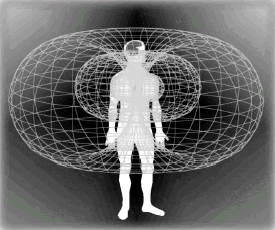
PEMF, or “Pulsed Electromagnetic Field” therapy, is a non-invasive treatment that involves the application of electromagnetic fields to the body, which penetrate deep into tissues to stimulate cellular repair.
Benefits of PEMF
The benefits of PEMF therapy are vast, ranging from pain relief to enhanced cellular function. Some of the key benefits include:
- Reduction in chronic pain and inflammation
- Improved circulation and oxygenation
- Enhanced cellular repair and regeneration
- Increased energy levels and vitality
- Non-invasive and safe for long-term use
Common Applications of PEMF
PEMF therapy is used for a variety of conditions, including:
- Chronic and acute pain management
- Arthritis and joint pain
- Sports injuries and muscle recovery
- Bone healing and osteoporosis
- Depression and anxiety
By targeting the underlying causes of pain and inflammation, PEMF therapy offers a holistic approach to health and wellness. Its ability to improve cellular function makes it a powerful tool for natural healing and recovery.
Our Favorite PEMF Therapy Device using Frequency Specific Microcurrent
A “ready-to-go” pocket sized therapy device, with 59 core protocols all preloaded
Check out The Vibe by Resona Health
FSM Therapy
How FSM Therapy Works
FSM, or “Frequency-Specific Microcurrent” therapy involves the application of microcurrents to the body, which are carefully tuned to match the frequencies of specific tissues. These currents stimulate the body’s natural healing processes.
And while FSM has been approved as a type of TENS device by the FDA due to its use of microamperage, it operates under different principles and applications compared to traditional TENS units.
Benefits of FSM
Much like PEMF, Frequency-Specific Microcurrent (FSM) therapy offers a range of benefits that make it a valuable tool in natural pain management and healing.
Some of the key benefits include:
- Reduce inflammation
- Enhances cellular repair and regeneration
- Stimulate the production of ATP (ATP is essential for healing and tissue repair)
- Non-invasive and safe for long-term use
- Faster recovery times and improved overall health
Common Applications of FSM
FSM therapy is used to treat a variety of conditions, making it a versatile option for natural healing. Some common applications include:
- Nerve pain and neuropathy
- Muscle pain and spasms
- Fibromyalgia and chronic fatigue syndrome
- Headaches and migraines
- Sports injuries and recovery
By addressing the underlying causes of pain and inflammation, FSM therapy offers a holistic approach to health and wellness. Its ability to target specific tissues makes it an effective tool for those seeking natural and long-lasting relief.
TENS Therapy:
How TENS Therapy Works
TENS or “Transcutaneous Electrical Nerve Stimulation” therapy uses electrical impulses to block pain signals from reaching the brain, providing immediate relief for a variety of conditions. This results in a reduction in pain perception and provides temporary relief for acute and chronic pain. For more information, you can explore the difference between PEMF and TENS.
The electrical impulses used in TENS therapy can also stimulate the release of endorphins, the body’s natural painkillers. This can enhance the overall pain-relieving effects of the therapy and promote a sense of well-being.
Benefits of TENS
TENS therapy offers several benefits that make it a popular choice for natural pain management. Some of the key benefits include:
- Immediate pain relief for acute pain
- Non-invasive and easy to use at home
- Can be used alongside other therapies for enhanced effects
- Helps improve circulation and reduce muscle tension
- Safe and well-tolerated with minimal side effects
Common Applications of TENS
TENS therapy is used to treat a wide range of conditions, making it a versatile option for natural pain management. Some common applications include:
- Menstrual cramps
- Back pain and sciatica
- Arthritis and joint pain
- Muscle strains and sprains
- Post-surgical pain
By blocking pain signals and promoting the release of endorphins, TENS therapy offers a powerful tool for managing pain naturally and effectively.
Comparative Analysis: PEMF, FSM, and TENS
When comparing PEMF, FSM, and TENS therapies, it’s important to consider their unique mechanisms and benefits. Each therapy offers distinct advantages and can be used for different purposes, making them valuable tools in natural pain management and healing.
|
Key Differences |
PEMF |
FSM |
TENS |
|---|---|---|---|
|
Mechanism of Action |
Uses electromagnetic fields |
Uses specific frequencies of microcurrents |
Uses electrical currents |
|
Depth Effect |
Affects cells |
Affects specific tissues, depending on the frequency used |
Primarily affects nerve endings near the skin surface |
|
Treatment Focus |
Broad tissue stimulation, promoting healing and addressing underlying causes |
Targets specific tissues and conditions based on frequency selection |
Primarily for pain management and symptom relief |
|
Duration of Effect |
Generally longer-lasting, with potential for ongoing healing |
Can provide both immediate and cumulative effects |
Typically short-term relief |
|
Application Method |
No direct skin contact required, can treat larger areas |
Uses electrodes or conductive garments |
Requires electrode placement on the skin |
Cost and Accessibility Considerations
When it comes to choosing between PEMF, FSM, and TENS therapies, cost and accessibility play significant roles.
TENS units are generally the most affordable, with devices ranging from $20 to $100, making them accessible for home use.
PEMF devices, while offering extensive benefits, can be the most costly, ranging from $300 to several thousand dollars depending on the features and intensity of the device. These devices are widely available to the public.
FSM devices can be more expensive, often costing several hundred dollars, due to their advanced technology and specific frequency capabilities. FSM devices are primarily marketed towards healthcare professionals as they may require formal training to operate correctly and safely. While some FSM devices are available for personal use, they are often simplified, with pre-programmed frequency settings.
Choosing the Right Therapy for Your Needs
Choosing the right therapy involves considering several factors, including the type and severity of your condition, desired outcomes, and personal preferences. Consulting with a healthcare professional can provide valuable insights and help tailor a treatment plan that meets your needs.
Factors to Consider when Selecting a Therapy
When selecting a therapy, consider the following factors, such as the differences between various therapies like PEMF and TENS to make an informed decision.
- The specific condition or pain you’re addressing
- Your budget and the cost of the therapy
- The availability and accessibility of the therapy
- Your comfort and familiarity with using the devices
- Potential side effects and contraindications
By evaluating these factors, you can make an informed decision that supports your health and wellness goals.
Consultation with Healthcare Professionals
Consulting with a healthcare professional is crucial when choosing a therapy. They can provide valuable insights into your condition and recommend the most suitable treatment plan. A professional can also guide you on the proper use of devices and monitor your progress to ensure optimal results.
Most importantly, healthcare professionals can help identify any contraindications or potential side effects, ensuring that the chosen therapy is safe and effective for your specific needs.
References:
- Markov, M. S. (2007). Pulsed electromagnetic field therapy history, state of the art and future. The Environmentalist, 27(4), 465-475.
- McMakin, C. R. (2004). Microcurrent therapy: a novel treatment method for chronic low back myofascial pain. Journal of Bodywork and Movement Therapies, 8(2), 143-153.
- Johnson, M. I., Paley, C. A., Howe, T. E., & Sluka, K. A. (2015). Transcutaneous electrical nerve stimulation for acute pain. Cochrane Database of Systematic Reviews, (6).
- Strauch, B., Herman, C., Dabb, R., Ignarro, L. J., & Pilla, A. A. (2009). Evidence-based use of pulsed electromagnetic field therapy in clinical plastic surgery. Aesthetic Surgery Journal, 29(2), 135-143.
- McMakin, C. R., & Oschman, J. L. (2013). Visceral and somatic disorders: tissue softening with frequency-specific microcurrent. Journal of Alternative and Complementary Medicine, 19(2), 170-177.
- Radzik, D., Laszczyńska, M., & Słoniec-Szymańska, R. (2019). The effectiveness of frequency-specific microcurrent therapy on delayed onset muscle soreness. Journal of Human Kinetics, 65, 181-193.


Leave a Reply