
Key Takeaways
- PEMF devices are non-invasive tools that use electromagnetic fields to provide significant pain relief by reducing inflammation and stimulating cellular repair.
- Using PEMF devices can enhance sleep quality, helping users achieve more restful and restorative sleep.
- These devices can improve mental clarity and focus by optimizing brain wave patterns.
- PEMF therapy is versatile, with options for home use or professional sessions, catering to various health needs.
Introduction to PEMF Devices
PEMF stands for “Pulsed Electromagnetic Field”, a technology that uses electromagnetic waves to stimulate and rejuvenate cells. By targeting specific areas of the body, PEMF devices enhance cellular function, which can lead to a variety of health benefits. The technology works by emitting pulses that penetrate deep into tissues, reaching cells and encouraging them to function optimally.
Brief History and Evolution
PEMF therapy isn’t a new concept. Its roots trace back to ancient civilizations that recognized the healing power of magnets. However, it wasn’t until the late 20th century that modern PEMF devices emerged, thanks to advancements in technology. In 1979, the FDA approved PEMF devices for the treatment of non-union bone fractures. This approval marked an important milestone in the medical use of PEMF technology, paving the way for its application in various therapeutic contexts.
Growth in Popularity
The popularity of PEMF devices has soared in recent years, as more people look for non-invasive, drug-free alternatives to traditional medicine. The growing body of research supporting its efficacy has further fueled interest. Today, you can find PEMF devices in homes, clinics, and wellness centers worldwide, each offering unique benefits to users.
5 Benefits of Using PEMF Devices
PEMF devices are celebrated for their wide range of health benefits. From easing chronic pain to boosting mental clarity, these devices offer an alternative therapy for enhancing well-being.
1. Pain Relief and Management
Pain relief, for both chronic and acute, is one of the primary reasons people turn to PEMF devices. These devices work by reducing inflammation, improving circulation, and promoting cellular repair, which can lead to significant pain reduction. Whether you’re dealing with chronic back pain or post-surgical discomfort, PEMF therapy can be a game-changer.
2. Improved Sleep Quality
Struggling with sleep issues? PEMF devices might be the answer. By influencing the brain’s electromagnetic activity, these devices help regulate sleep patterns, leading to more restful and restorative sleep. Many users report falling asleep faster and waking up feeling more refreshed. A study on patients with insomnia found that PEMF leads to substantial or complete relief of the complaints.
Most importantly, consistent use of PEMF therapy can help reset the body’s circadian rhythm, which is crucial for achieving quality sleep. If you’ve been tossing and turning at night, consider incorporating PEMF therapy into your bedtime routine.
3. Reduction of Inflammation
Inflammation is at the root of many health problems, and PEMF devices excel at addressing this issue. By enhancing cellular function and reducing oxidative stress, these devices can significantly decrease inflammation levels. This benefit is particularly valuable for individuals dealing with arthritis, sports injuries, or autoimmune conditions.
4. Enhanced Mental Clarity
In today’s fast-paced world, maintaining mental clarity is essential. PEMF therapy can help by optimizing brain wave patterns and improving blood flow to the brain. This leads to enhanced focus, better memory retention, and increased productivity. If you’re looking to sharpen your mental edge, PEMF devices could be your secret weapon.
Besides that, regular use of PEMF therapy has been linked to a reduction in stress and anxiety levels, which further contributes to improved mental clarity. By calming the mind and promoting relaxation, PEMF devices support a more balanced and focused state of mind.
5. Accelerated Physical Recovery
PEMF devices are renowned for their ability to speed up physical recovery, making them a favorite among athletes and individuals recovering from injuries. By enhancing circulation and promoting efficient cellular repair, these devices help the body heal faster. This can be particularly beneficial after intense workouts or surgeries, where recovery time is crucial.
Our Favorite PEMF Therapy Device using Frequency Specific Microcurrent
A “ready-to-go” pocket sized therapy device, with 59 core protocols all preloaded
Check out The Vibe by Resona Health
How PEMF Devices Work
Understanding how PEMF devices function can help you appreciate their benefits. These devices work by emitting electromagnetic fields that penetrate the body, influencing cellular processes. The goal is to stimulate and energize cells, enabling them to perform their functions more efficiently.
Most importantly, the electromagnetic fields used in PEMF therapy are similar to those naturally produced by the body, making this a safe and non-invasive treatment option. Let’s explore the components that make PEMF therapy effective.
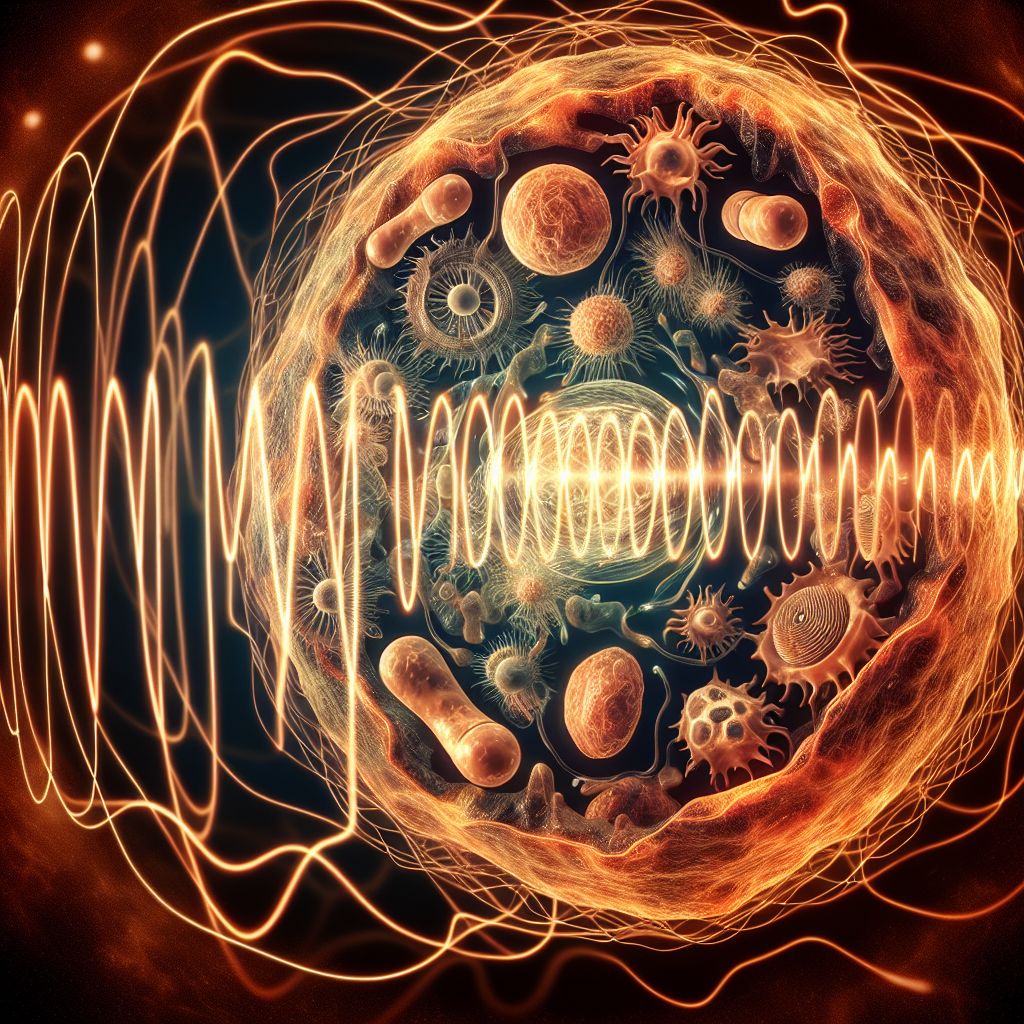
Electromagnetic Fields Explained
Electromagnetic fields are a combination of invisible electric and magnetic fields of force. In PEMF therapy, these fields are harnessed to stimulate and heal the body at a cellular level. The fields generated by PEMF devices are pulsed, meaning they are delivered in short bursts, which makes them more effective for therapeutic use.
Different Frequencies and Their Effects
The frequency and intensity of these fields can be adjusted to target specific health concerns, allowing for personalized treatment plans. This adaptability is one reason why PEMF devices are gaining traction as a versatile wellness tool.
- Low-frequency PEMF is often used for bone healing and chronic pain.
- Higher frequencies can target inflammation and acute injuries.
- Mid-range frequencies are effective for overall wellness and relaxation.
By understanding these parameters, users can tailor their PEMF therapy sessions to suit their individual needs and goals.
The Science Behind Cellular Stimulation
At the core of PEMF therapy is the stimulation of cells. Our bodies are made up of trillions of cells, each with its own electromagnetic charge. When cells become damaged or dysfunctional, their electrical balance is disrupted. PEMF devices help restore this balance, energizing cells and promoting healing.
This process involves the activation of various cellular pathways, enhancing functions such as nutrient absorption, waste removal, and energy production. By optimizing these processes, PEMF therapy supports overall cellular health, which in turn benefits the entire body.
For instance, a study published in the “Journal of Orthopaedic Research” highlighted how PEMF therapy improved cellular repair mechanisms, leading to faster recovery times for patients with musculoskeletal injuries.
Safety and Considerations
While PEMF therapy is generally safe, it’s important to be aware of certain considerations. Following the manufacturer’s guidelines and starting with lower intensity settings can help ensure a safe and effective therapy experience.
Do NOT use PEMF therapy if you are:
- Are pregnant
- Have a pacemaker or other implanted electrical devices (cochlear implants, intrathecal pumps, etc.)
- Are a child
- Have cancer
- Have a heart condition
Those with certain medical conditions should consult with a healthcare professional before using PEMF devices.
Potential Side Effects
Although PEMF therapy is widely regarded as safe, some users may experience mild side effects. These can include temporary discomfort or tingling at the site of application, slight dizziness, or fatigue. Such effects are usually short-lived and subside after a few sessions as the body adjusts to the therapy. And while PEMF is generally considered safe, long-term effects are not yet fully understood, and more research is needed in this area.
Best Practices for Safe Use
To ensure safe use of PEMF devices, start with lower intensity settings and gradually increase them as your body becomes accustomed to the therapy. Follow the manufacturer’s instructions carefully and avoid overuse, as excessive exposure can lead to discomfort.
Most importantly, stay hydrated during your PEMF sessions. Proper hydration supports the body’s ability to respond positively to the therapy, enhancing its effectiveness. If you’re new to PEMF therapy, consider starting with shorter sessions and gradually increasing the duration over time.
Accessing PEMF Therapy
Accessing PEMF therapy is easier than ever, with options for both home use and professional treatment sessions. Whether you prefer the convenience of using a device at home or the expertise of a trained professional, there’s a solution to fit your lifestyle and health needs.
Understanding the differences between these options can help you make an informed decision and optimize your therapy experience.
Home Use Options
Home use PEMF devices offer unparalleled convenience, allowing you to incorporate therapy into your daily routine. These devices are typically user-friendly, with preset programs and adjustable settings to cater to various health concerns.
Professional Treatment Sessions
Professional PEMF therapy sessions are conducted by trained practitioners who can tailor the treatment to your specific needs. These sessions often utilize more advanced equipment, providing a deeper level of therapy than home devices.
If you’re dealing with complex health issues or require intensive therapy, professional sessions may be the best option. They offer the benefit of personalized care and the expertise of a healthcare professional to guide your therapy journey.
Choosing the Right Device
When choosing a PEMF device, consider factors such as frequency range, intensity levels, and ease of use. Research different models and read user reviews to find a device that suits your needs. It’s also helpful to consult with a healthcare provider to ensure the device is appropriate for your health condition.
References:
- Pasche, B., Erman, M., Hayduk, R., Mitler, M. M., Reite, M., Higgs, L., … & Levine, P. H. (1996). Effects of low energy emission therapy in chronic psychophysiological insomnia. Sleep, 19(4), 327-336.
- Markov, M. S. (2007). Pulsed electromagnetic field therapy history, state of the art and future. The Environmentalist, 27(4), 465-475.
- Shupak, N. M., McKay, J. C., Nielson, W. R., Rollman, G. B., Prato, F. S., & Thomas, A. W. (2006). Exposure to a specific pulsed low-frequency magnetic field: A double-blind placebo-controlled study of effects on pain ratings in rheumatoid arthritis and fibromyalgia patients. Pain Research and Management, 11(2), 85-90.
- Strauch, B., Herman, C., Dabb, R., Ignarro, L. J., & Pilla, A. A. (2009). Evidence-based use of pulsed electromagnetic field therapy in clinical plastic surgery. Aesthetic Surgery Journal, 29(2), 135-143.
- Ryang We, S., Koog, Y. H., Jeong, K. I., & Wi, H. (2013). Effects of pulsed electromagnetic field on knee osteoarthritis: a systematic review. Rheumatology, 52(5), 815-824.
- Vadalà, M., Vallelunga, A., Palmieri, L., Palmieri, B., Morales-Medina, J. C., & Iannitti, T. (2015). Mechanisms and therapeutic applications of electromagnetic therapy in Parkinson’s disease. Behavioral and Brain Functions, 11(1), 26.
- Ross, C. L., Ang, D. C., & Almeida-Porada, G. (2019). Targeting mesenchymal stromal cells/pericytes (MSCs) with pulsed electromagnetic field (PEMF) has the potential to treat rheumatoid arthritis. Frontiers in Immunology, 10, 266.
- Hug, K., & Röösli, M. (2012). Therapeutic effects of whole-body devices applying pulsed electromagnetic fields (PEMF): A systematic literature review. Bioelectromagnetics, 33(2), 95-105.
- Funk, R. H., Monsees, T., & Özkucur, N. (2009). Electromagnetic effects–From cell biology to medicine. Progress in Histochemistry and Cytochemistry, 43(4), 177-264.
- Pilla, A. A. (2013). Nonthermal electromagnetic fields: from first messenger to therapeutic applications. Electromagnetic Biology and Medicine, 32(2), 123-136.


Leave a Reply