
Key Takeaways: PEMF & FSM for Senior Living
- PEMF and FSM therapies offer non-medication alternatives for managing chronic pain in seniors, with clinical studies showing significant improvement in mobility and quality of life.
- Research demonstrates these technologies can improve Parkinson’s symptoms, including movement speed and quality of life measures.
- Seniors experiencing arthritis, sleep issues, and circulation problems may benefit from these non-invasive electromagnetic therapies.
- Regular PEMF therapy sessions have been shown to reduce inflammation and support tissue regeneration in clinical settings.
- Implementation of PEMF technology in senior communities can lead to reduced medication dependency and increased independence for residents.
Finding effective, non-pharmaceutical solutions for age-related health challenges remains one of the greatest priorities in senior care today. Pulsed Electromagnetic Field (PEMF) therapy and Frequency Specific Microcurrent (FSM) are emerging as game-changers for older adults seeking relief without the burden of additional medications.
Innovative care providers like WellnessPlus Senior Living are incorporating these technologies into comprehensive wellness programs, offering seniors new hope for managing chronic conditions. As electromagnetic therapies gain clinical validation, more seniors are discovering how these non-invasive approaches can address everything from joint pain to sleep disturbances without unwanted side effects.
For families and caregivers concerned about medication interactions and declining mobility in aging loved ones, understanding these alternative therapies provides valuable options beyond traditional care models. Let’s explore how these technologies work and the specific benefits they offer the senior population.
Revolutionary Pain Relief: How PEMF & FSM Transform Senior Living
The aging process often brings with it a constellation of pain-related conditions that can severely impact quality of life. Arthritis, peripheral neuropathy, and post-surgical pain traditionally lead to increasing medication dependence, bringing unwanted side effects and drug interactions. PEMF and FSM technologies are changing this paradigm by offering effective, non-pharmaceutical pain management that works with the body’s natural healing processes.
Multiple clinical studies, including research by Hochsprung et al., demonstrate significant pain reduction in conditions common among seniors. For instance, their study showed notable improvement in pain scores for adults with multiple sclerosis-related pain using pulsed electromagnetic fields. Many seniors report being able to resume activities they had previously abandoned due to chronic pain, from gardening to playing with grandchildren.
Beyond pain relief, these therapies offer a crucial psychological benefit: restored independence. When seniors can move without pain, they regain confidence in their bodies and reduce fear of falling or injury. This psychological shift alone can dramatically improve overall quality of life and reduce depression that often accompanies chronic pain conditions.
The Science Behind PEMF & FSM Technologies
Understanding how these technologies work helps explain their effectiveness for age-related conditions. Both PEMF and FSM work at the cellular level, but through different mechanisms that complement traditional medical approaches.
PEMF: Pulsed Electromagnetic Field Therapy Explained
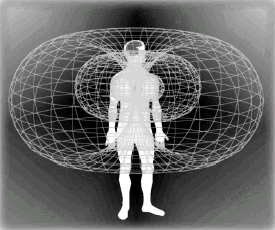
PEMF therapy utilizes electromagnetic fields delivered in specific pulses to penetrate tissues and stimulate cellular activity. These controlled energy waves interact with the body’s natural electrical charges to promote healing at the cellular level. At its core, PEMF works by influencing cell membrane potential and enhancing mitochondrial function—the powerhouses within cells that generate energy.
For seniors, this cellular stimulation is particularly valuable as cellular energy production naturally declines with age. Research by Ross et al. demonstrates that PEMF therapy can modulate inflammation and improve tissue regeneration by influencing cellular pathways involved in the healing process. The therapy effectively recharges cellular batteries, enabling more efficient tissue repair and pain reduction without chemical intervention.
The electromagnetic pulses also enhance circulation at the microvascular level, improving oxygen and nutrient delivery to tissues that may be compromised by age-related vascular changes. This improved circulation creates a domino effect of benefits, from reduced swelling to better wound healing—crucial advantages for seniors with compromised vascular health. For more information on how these therapies can be beneficial, you can explore the anti-aging guide benefits of PEMF and FSM.
FSM: Frequency Specific Microcurrent and How It Works
Frequency Specific Microcurrent operates on the principle that specific electrical frequencies can target particular tissues and conditions. Unlike PEMF, FSM delivers extremely low-level electrical currents—measured in microamperes—that mirror the body’s natural electrical current. These gentle currents are delivered at frequencies believed to resonate with specific tissues or conditions.
FSM works at a current level similar to what the body naturally produces at a cellular level, making it exceptionally gentle yet effective for sensitive senior tissues. The therapy can be precisely calibrated to address specific conditions, from nerve pain to muscle stiffness, using different frequency combinations.
The microcurrent helps restore proper cellular electrical potential in damaged or aging tissues. When cells are injured or degenerating with age, they lose their natural electrical charge—FSM helps restore this optimal cellular charge, supporting the body’s innate repair mechanisms. This makes it particularly valuable for seniors dealing with degenerative conditions where tissue repair has slowed.
Difference Between PEMF and FSM Technologies
While both technologies utilize electromagnetic principles, they differ significantly in application and mechanism. PEMF uses higher-intensity magnetic pulses that can penetrate deeply into tissues without direct contact, making it ideal for treating deep joint pain or bone-related conditions like osteoporosis. FSM, in contrast, uses much lower intensity currents applied directly to the skin, requiring contact electrodes and conductor medium, and works more specifically on soft tissues and nerve-related conditions.
Mood Improvement and Depression Reduction
Depression affects nearly 7 million American adults over 65, yet remains significantly undertreated in senior populations. PEMF therapy has demonstrated remarkable effects on mood regulation by stimulating areas of the brain associated with mood control. Studies like those by Morberg et al. have shown improvement in quality of life measures for Parkinson’s patients, with mood enhancement being a notable secondary benefit.
The electromagnetic pulses appear to influence neurotransmitter activity and neural connectivity in ways that pharmaceutical interventions often cannot achieve without side effects. Many seniors report a general lifting of “mental fog” and improved outlook after just a few weeks of regular PEMF sessions. This mood improvement creates a positive cycle – better mood leads to increased activity, which further enhances physical health and cognitive function.
For seniors in assisted living or nursing facilities, PEMF therapy offers a non-stigmatizing approach to addressing depression. Unlike psychiatric medications which some seniors resist due to perceived stigma, electromagnetic therapy is viewed more as a “wellness treatment,” increasing acceptance and compliance. Facility directors report that residents receiving regular PEMF therapy show more social engagement and participation in community activities.
PEMF & FSM for Specific Senior Conditions
The aging process brings with it a higher risk for certain neurological, musculoskeletal, and cognitive conditions. Traditional management of these conditions often relies heavily on medications with diminishing returns and increasing side effects. PEMF and FSM therapies offer targeted approaches that address the underlying cellular dysfunction in these conditions.
Research is increasingly demonstrating condition-specific protocols that can be tailored to individual needs. For instance, certain frequencies and pulse patterns have shown greater efficacy for neurological conditions like Parkinson’s, while others better address inflammatory conditions like arthritis. This precision approach allows for customized care plans that evolve with seniors’ changing health needs.
A Favorite PEMF Therapy Device using Frequency Specific Microcurrent Protocols
A “ready-to-go” pocket sized therapy device, with 59 core protocols all preloaded
Check out The Vibe by Resona Health
Parkinson’s Disease Management Results
- Improved movement speed and functional force development as demonstrated in a randomized clinical trial by Malling et al. (2018)
- Elevated cerebrospinal erythropoietin levels following long-term T-PEMF treatment (Jensen et al., 2021)
- Enhanced quality of life measures after transcranial PEMF stimulation (Morberg et al., 2018)
- Reduced tremor severity in some patients following consistent therapy
- Improved sleep quality, which often indirectly benefits motor symptoms
The application of transcranial PEMF therapy has shown particularly promising results for Parkinson’s patients. A landmark study by Jensen et al. found that long-term treatment with T-PEMF improved movement speed and elevated cerebrospinal erythropoietin in Parkinson’s patients. This biochemical change correlated with functional improvements that medication alone often cannot achieve.
Seniors with Parkinson’s often struggle with the “on-off” phenomenon of traditional medications like levodopa. PEMF therapy offers a more consistent symptom management approach without the peaks and valleys associated with oral medications. Many patients report that when combined with traditional medication regimens, PEMF therapy extends “on” periods and reduces the severity of “off” periods.
Perhaps most significantly, PEMF therapy addresses aspects of Parkinson’s that medications typically don’t touch – including sleep disturbances, mood disorders, and fatigue. This multi-faceted approach makes it particularly valuable for seniors seeking comprehensive management of their condition while minimizing pharmaceutical dependency.
Alzheimer’s and Cognitive Decline Applications
While still emerging, research into PEMF applications for cognitive conditions shows promise for seniors experiencing memory loss and cognitive decline. The therapy appears to enhance neural connectivity and potentially reduce the accumulation of harmful proteins associated with Alzheimer’s disease. By improving cerebral blood flow and reducing neuroinflammation, PEMF may create more favorable conditions for brain health and function.
Caregivers often report subtle but meaningful improvements in seniors receiving regular PEMF treatments – from better word recall to improved recognition of family members. Some seniors demonstrate better orientation to time and place, reduced agitation, and greater capacity for self-care tasks. These improvements, while sometimes modest, can significantly enhance quality of life and reduce caregiver burden.
For seniors in early stages of cognitive decline, PEMF therapy may offer a complementary approach alongside cognitive training and lifestyle modifications. The technology’s ability to promote neuroplasticity – the brain’s capacity to form new neural connections – may help compensate for areas of damage or degeneration. Some practitioners report that combining cognitive exercises with PEMF therapy yields better results than either approach alone.
Arthritis and Joint Pain Relief
Arthritis affects nearly 50% of adults over 65, making it one of the most common challenges in senior health. PEMF therapy directly addresses the inflammation and pain associated with both rheumatoid and osteoarthritis. The electromagnetic pulses penetrate joint tissues, reducing inflammatory markers and stimulating cartilage cells to produce healthier matrix components.
Clinical applications have shown particularly strong results for knee, hand, and hip arthritis – the joints most commonly affected in seniors. Many patients report being able to reduce anti-inflammatory medications after establishing a regular PEMF routine. The therapy’s ability to improve joint fluid viscosity and circulation within the joint space creates lasting benefits beyond temporary pain relief.
For seniors with arthritis, the most significant benefit often comes from breaking the pain-immobility cycle. When joint pain prevents movement, muscles weaken and joints stiffen further. PEMF therapy can interrupt this downward spiral by providing enough pain relief to enable therapeutic movement and exercise. Many senior living communities have implemented PEMF as part of comprehensive arthritis management programs with impressive mobility outcomes.
Osteoporosis and Bone Health Benefits
The ability of PEMF therapy to influence bone metabolism makes it particularly valuable for seniors facing osteoporosis and fracture risks. Research demonstrates that specific PEMF parameters can stimulate osteoblast activity (cells that build bone) while regulating osteoclasts (cells that break down bone), potentially helping maintain bone mineral density. Some studies suggest improved healing rates for fractures treated with adjunctive PEMF therapy – a significant advantage for seniors who typically face longer recovery times.
Beyond fracture healing, regular PEMF therapy may help strengthen existing bone tissue through improved circulation and cellular metabolism. Seniors using consistent PEMF therapy report better mobility and reduced bone pain, particularly in the spine, hips, and wrists – common fracture sites in osteoporotic patients. When combined with appropriate calcium and vitamin D supplementation, weight-bearing exercise, and conventional treatments, PEMF offers a valuable additional support for skeletal health.
Practical Implementation in Senior Living Communities
The integration of PEMF and FSM technologies into senior living environments requires thoughtful planning and education. Successful implementation models typically begin with staff training and small pilot programs before expanding to community-wide availability. The most effective programs combine the technology with comprehensive wellness approaches, including appropriate exercise, nutrition, and social engagement components.
Leading communities have designated specific wellness areas for PEMF therapy sessions, creating healing environments that seniors look forward to visiting. Some innovators have even developed mobile units that can be brought to residents with limited mobility, ensuring equal access to the technology’s benefits. The key to successful implementation lies in making the therapy routine, convenient, and enjoyable rather than presenting it as another medical treatment.
Equipment Options and Cost Considerations
PEMF and FSM devices range from clinical-grade systems costing upwards of $20,000 to portable personal units starting around $1,500. Senior living communities typically invest in professional-grade systems that offer versatility for multiple conditions. Many facilities find that leasing options make these technologies accessible without large capital expenditures, allowing them to test effectiveness before full investment. For those interested in understanding the enhanced benefits of FSM and PEMF synergy, exploring these options can be particularly enlightening.
Return on investment calculations should consider reduced medication costs, decreased care staff burden, and improved resident satisfaction metrics. Communities implementing these technologies often report higher occupancy rates and improved resident testimonials, creating marketing advantages that offset initial costs. Some innovative facilities have created tiered wellness packages that include PEMF/FSM therapy sessions, creating additional revenue streams while making the technology available to residents.
For budget-conscious communities, starting with a single professional-grade unit and developing protocols for prioritizing resident access can make implementation feasible. Many suppliers offer financing options specifically designed for senior living applications, understanding the unique financial constraints and opportunities in this sector.
Integrating Therapy into Daily Routines
Successful implementation requires thoughtful integration into existing care workflows. Leading communities schedule PEMF sessions alongside other wellness activities like physical therapy, creating comprehensive treatment experiences. The most effective programs train multiple staff members across different departments to administer basic PEMF protocols, ensuring consistent availability and preventing service bottlenecks.
Creating dedicated therapy spaces that feel more spa-like than clinical helps increase resident participation and compliance. Some communities have found success with “PEMF wellness days” where residents can sign up for sessions alongside other health screenings and activities. For residents with mobility limitations, portable units brought directly to apartments remove access barriers and increase participation.
Documentation of sessions, resident responses, and outcomes should be integrated into existing health records systems. This documentation helps track effectiveness, guide protocol adjustments, and provide data for care planning meetings and family updates. Many communities create simple tracking forms that allow residents to self-report their experience and perceived benefits after each session.
Measuring Success and Resident Outcomes
Objective measurement tools help quantify PEMF therapy benefits and justify program continuation. Successful communities implement tracking systems for mobility metrics, pain scores, sleep quality, medication usage, and resident satisfaction. Regular assessments using standardized tools like the Visual Analog Scale for pain or Timed Up and Go (TUG) tests for mobility provide concrete data demonstrating the technology’s impact.
Tracking quality of life measures beyond physical symptoms often reveals the most compelling benefits. Improvements in depression scores, participation in social activities, and independent living skills frequently accompany the physical improvements from PEMF therapy. These holistic outcomes often matter most to residents and their families, though they can be more challenging to quantify.
Regular reporting of aggregate outcomes helps justify program costs while celebrating successes. Many communities create monthly wellness dashboards that include PEMF therapy outcomes alongside other program metrics. These reports build institutional support for continuing and potentially expanding electromagnetic therapy offerings.
Medicare Coverage and Financial Considerations
Currently, Medicare coverage for PEMF therapy is limited to specific applications like non-healing fractures, creating reimbursement challenges for broader applications. However, innovative payment models are emerging as evidence for these therapies grows. Some communities have succeeded with hybrid models where basic PEMF services are included in monthly fees while specialized applications carry additional charges.
Real-World Success Stories
The transformative potential of electromagnetic therapies becomes evident through the experiences of seniors and communities who have embraced these technologies. From dramatic pain reduction to subtle improvements in daily function, these case studies demonstrate the real-world impact beyond clinical trials and theoretical benefits.
Senior Living Facilities Seeing Measurable Results
Windcrest Senior Living in Columbus implemented a PEMF program for residents with chronic pain conditions and documented a 43% reduction in analgesic medication requests within three months. Their wellness director reported that physical therapy participation increased by 36% as residents experienced improved mobility and decreased pain-related fear of movement. The community found that group PEMF sessions created social benefits alongside physical improvements, leading to expanded programming based on initial success.
Sunrise Villages in Arizona integrated PEMF therapy into their memory care programming with notable results for residents with agitation and sleep disturbances. Staff reported that residents receiving regular PEMF treatments exhibited calmer behavior during sundowning hours and required fewer interventions for nighttime wakefulness. Family satisfaction scores increased significantly after implementation, with many families requesting information about continuing similar treatments during home visits.
“We were skeptical about adding another wellness technology, but the results have been undeniable. Our residents using regular PEMF therapy are more engaged, reporting less pain, and participating more fully in community life. The investment has paid for itself in reduced care needs and increased resident satisfaction.” — Executive Director, Magnolia Senior Living
Individual Treatment Outcomes
Margaret, 83, had resigned herself to wheelchair use after years of osteoarthritis pain made walking unbearable despite multiple medications. After eight weeks of regular PEMF therapy sessions, she progressed from wheelchair to walker and eventually to using only a cane for longer distances. Her case exemplifies how PEMF therapy can break the pain-immobility cycle that traps many seniors in declining function.
Robert, 76, a Parkinson’s patient, experienced such significant tremor reduction after beginning PEMF therapy that he resumed his lifelong hobby of watercolor painting. His neurologist documented improved gait patterns and reduced freezing episodes, leading to adjustments in his medication regimen. Robert’s experience highlights how electromagnetic therapies can address symptoms that medication alone often fails to fully control.
Elaine, 79, had suffered from peripheral neuropathy related to diabetes for over a decade. After incorporating FSM therapy into her care plan, she reported a 70% reduction in burning sensations and improved sensation in her feet. This improvement significantly reduced her fall risk and allowed her to discontinue one of her pain medications. Her story demonstrates the potential for these therapies to address neuropathic conditions that typically respond poorly to conventional treatments.
Reduced Medication Dependency
One of the most compelling benefits of PEMF and FSM therapies is the potential for medication reduction. Multiple senior communities implementing these technologies report significant decreases in PRN pain medication requests, particularly for opioid and NSAID class drugs. This reduction carries substantial benefits beyond cost savings—fewer medication side effects, reduced polypharmacy risks, and improved alertness and cognition when pain is managed without sedating medications.
For seniors with renal or hepatic impairment, the option to manage pain without pharmacological agents that require metabolism and excretion provides a substantial health advantage. Family members often report that their loved ones seem “more like themselves” when pain is managed through electromagnetic therapies rather than heavy medication regimens, noting improved alertness, better communication, and more active participation in family visits.
How to Choose the Right PEMF or FSM Solution
With numerous devices on the market making various claims, selecting the right PEMF or FSM solution requires careful evaluation. The most appropriate technology depends on the specific conditions being addressed, the setting where it will be used, and the level of professional oversight available. Professional-grade systems offer greater versatility and power, while personal devices provide convenience for ongoing maintenance therapy.
Consulting with healthcare providers familiar with electromagnetic therapies can help narrow options based on specific health goals. Many manufacturers offer trial periods or demonstration sessions that allow seniors and care providers to assess comfort and initial response before investing. Regardless of the specific technology chosen, consistency of use typically matters more than particular features for achieving long-term benefits.
Key Features to Look For
Intensity range flexibility is crucial when selecting devices for senior applications, as sensitivity often increases with age. Look for systems that offer adjustable settings from very gentle to more therapeutic intensities, allowing personalization based on individual tolerance and condition severity. Pre-programmed protocols specifically designed for common senior conditions simplify use while ensuring appropriate parameters for different applications. For those interested in understanding the synergy of combined therapies, consider exploring FSM and PEMF synergy for enhanced benefits.
Usability features become particularly important in senior care settings where multiple staff may operate the equipment. Intuitive controls, clear displays, and simple programming reduce training requirements and operation errors. The most senior-friendly systems include preset programs with clear labeling (e.g., “Arthritis – Mild” or “Sleep Support”) that allow appropriate protocol selection without extensive technical knowledge.
Safety Considerations for Senior Users
Always verify that devices have appropriate certification from recognized regulatory bodies like FDA, UL, or CE marking. Senior users may have implanted devices, metal implants, or sensitive medical conditions requiring specific precautions, making proper screening protocols essential before beginning therapy.
Portable vs. Stationary Systems
The choice between portable and stationary systems depends largely on implementation goals and setting limitations. Fixed systems typically offer more power and treatment options but require dedicated space. Portable units provide flexibility for treating bed-bound residents or allowing therapies in multiple locations, though they generally offer fewer program options and less power than their stationary counterparts.
Professional Support and Training
The best PEMF and FSM providers offer comprehensive training programs and ongoing support rather than simply selling equipment. Look for companies that provide initial in-person training, refresher courses, protocol updates as research evolves, and responsive technical support. Leading providers also offer implementation consultation to help integrate the technology into existing care workflows.
Communities should consider the availability of local representatives who can provide hands-on assistance and troubleshooting. Some manufacturers have created specialized programs for senior living applications, offering training specifically tailored to geriatric conditions and considerations. These specialized programs often include marketing support to help communities explain the technology’s benefits to residents, families, and referral sources.
Start Your PEMF & FSM Program Today
Implementing PEMF and FSM therapies begins with education—for staff, residents, and families. Many providers offer complimentary informational sessions and demonstrations that introduce the technology without immediate investment. These educational events help build understanding and identify potential champions within the community who can help drive program adoption. For more insights on how these therapies can aid in pain relief, explore our guide on back pain relief via PEMF using FSM.
Most successful implementations start with a defined pilot program targeting specific resident populations, such as those with chronic pain or mobility limitations. This approach allows for measuring results, refining protocols, and building internal expertise before broader implementation. Well-designed pilot programs include clear outcome measures, staff training components, and resident feedback mechanisms to guide future expansion decisions.
Frequently Asked Questions
As interest in electromagnetic therapies grows, senior care providers and residents commonly have questions about safety, effectiveness, and practical implementation. These answers address the most common concerns and misconceptions about PEMF and FSM technologies for senior applications.
Is PEMF therapy safe for seniors with pacemakers or other implanted devices?
Most modern pacemakers and implanted cardiac devices are shielded against electromagnetic interference, but caution remains warranted. Manufacturers generally recommend maintaining a distance of at least 6-10 inches between PEMF applicators and implanted devices. Always consult with the resident’s cardiologist or device manufacturer for specific guidance, as some devices may have greater sensitivity than others.
Low-intensity PEMF devices designed specifically for seniors often include additional safety features and modified field strengths that reduce potential interference risks. For residents with implanted devices who could benefit from PEMF therapy, targeted application to extremities using low-intensity devices may provide benefits while minimizing potential risks. Always document consultations with medical specialists before proceeding with PEMF therapy for residents with implanted devices.
How quickly can seniors expect to see results from PEMF or FSM therapy?
Response timelines vary based on condition, severity, and individual physiology, but many seniors report noticeable improvement after 4-6 sessions. Acute conditions typically respond faster than chronic problems that have developed over many years. For chronic conditions like osteoarthritis or long-standing neuropathy, meaningful improvement may require 8-12 sessions before significant benefits appear. For more insights, explore the enhanced benefits of FSM and PEMF synergy.
Can PEMF and FSM therapies be used together for better results?
Yes, many practitioners find that combining these complementary technologies enhances outcomes for certain conditions. PEMF therapy often works well for deeper tissue treatment, while FSM provides more targeted frequency-specific effects for nerve-related conditions. When used together, practitioners typically apply PEMF first to improve cellular function and circulation, followed by FSM for more specific symptom management. For more insights on the synergy of PEMF and FSM, you can explore further resources.
What’s the typical treatment schedule for seniors using these therapies?
Most protocols begin with more frequent sessions during an initial intensive phase—typically 2-3 sessions weekly for 4-6 weeks. After achieving initial improvement, maintenance schedules usually reduce to once weekly or biweekly sessions to sustain benefits. Some conditions may eventually require only monthly “booster” sessions once stability is achieved.
Home-use systems allow for more frequent, shorter sessions that can be incorporated into daily routines. Many seniors using personal devices find that brief 20-30 minute sessions each morning provide sustained benefits throughout the day. The optimal schedule should be personalized based on individual response, specific conditions being addressed, and practical considerations like transportation and assistance needs.
Are there any side effects seniors should be aware of with PEMF or FSM treatments?
PEMF and FSM therapies are generally well-tolerated by seniors, with minimal side effects compared to pharmaceutical interventions. Some users experience temporary fatigue, mild dizziness, or slight symptom intensification during initial treatments—typically attributed to increased cellular activity and detoxification processes. These reactions usually resolve quickly and diminish with subsequent treatments. For more insights on how these therapies work together, you can explore the synergy between FSM and PEMF.
Proper hydration before and after treatments helps minimize potential detoxification symptoms. Starting with lower intensity settings and gradually increasing as tolerance develops helps prevent sensitivity reactions in the more fragile senior population. Despite these minor considerations, electromagnetic therapies offer remarkable safety profiles compared to pharmaceutical alternatives, particularly for seniors already managing multiple medications.
For seniors interested in exploring the benefits of PEMF or FSM therapy, consulting with healthcare providers familiar with these technologies is the best first step. Many practitioners now offer evaluation appointments specifically focused on determining if electromagnetic therapies might benefit your specific health concerns.
With proper implementation and individualized protocols, PEMF and FSM technologies offer promising solutions for many of the most challenging aspects of senior health. As research continues to expand and technology advances, these approaches will likely become increasingly mainstream components of comprehensive senior wellness programs.
PEMF and FSM therapy are gaining popularity for their potential benefits in managing pain and inflammation. These therapies are particularly beneficial for individuals seeking non-invasive solutions for chronic conditions. Many people have found relief from conditions like fibromyalgia through these methods. For more information on how these therapies can help with fibromyalgia relief, check out this article on using FSM with PEMF for fibromyalgia relief.


Leave a Reply