
Key Takeaways
- FSM (Frequency Specific Microcurrent) combined with PEMF therapy offers targeted relief for lower back pain by addressing inflammation and promoting tissue healing at the cellular level
- Clinical studies show PEMF therapy can reduce lower back pain by up to 42% after just three weeks of consistent use
- Unlike pain medications, PEMF therapy addresses the root causes of back pain without harmful side effects or dependency risks
- Proper placement and frequency settings are crucial for maximizing the effectiveness of PEMF devices for lower back pain
- Combining PEMF therapy with complementary approaches like anti-inflammatory foods and specific stretches can significantly enhance pain relief results
Lower back pain doesn’t have to control your life anymore. If you’re tired of temporary fixes and treatments that just mask the problem, Frequency Specific Microcurrent (FSM) using Pulsed Electromagnetic Field (PEMF) therapy could be the solution you’ve been searching for.
Why Lower Back Pain Is Ruining Your Life (And What To Do About It)
Lower back pain isn’t just physical—it infiltrates every aspect of your existence. It disrupts your sleep, dampens your mood, limits your mobility, and gradually chips away at your quality of life. The constant discomfort lurks in the background of every activity, from bending to pick up your child to simply sitting through a movie. What begins as an inconvenience often spirals into a life-altering condition that dictates what you can and cannot do.
The Hidden Cost of Chronic Back Pain
Beyond the obvious physical suffering, chronic lower back pain carries hidden costs that many sufferers don’t fully recognize until they’re deep in the cycle. Studies show that people with persistent back pain are four times more likely to develop depression and anxiety. The financial burden is equally devastating—Americans spend over $50 billion annually on back pain treatments, with countless work hours lost to disability. The emotional toll extends to relationships too, as partners and family members must adjust to your limited capabilities and sometimes become caregivers rather than equals.
Common Causes That Most Doctors Miss
The frustrating reality is that up to 85% of back pain cases receive no definitive diagnosis. Traditional medical approaches often focus solely on structural issues like herniated discs or spinal stenosis while overlooking crucial contributing factors. Cellular inflammation, disrupted tissue electrical potential, and impaired mitochondrial function rarely appear on standard MRI reports but frequently drive persistent pain. Muscle imbalances, fascia restrictions, and even gut health can significantly influence back pain, yet rarely receive attention in conventional medical settings.
Most concerning is the electrical aspect of pain that standard treatments ignore. Your body’s cells operate on specific electrical frequencies, and when trauma or inflammation disrupts these natural frequencies, pain persists even after structural healing occurs. This explains why so many patients experience ongoing pain despite “normal” test results—the electrical component of healing remains incomplete.
“In my 30 years of practice, I’ve found that addressing the electrical properties of tissues using frequency-specific microcurrent combined with PEMF therapy produces results that medication alone simply cannot achieve.” – Dr. Carolyn McMakin, FSM Pioneer
Why Pills And Surgery Often Make Things Worse
The conventional medical approach to lower back pain typically follows a predictable trajectory: over-the-counter pain relievers, prescription medications, injections, and eventually surgery. This escalating cascade of interventions rarely addresses the root causes of pain and often creates new problems along the way. What starts as a simple attempt to find relief frequently leads to a complex web of side effects, dependency, and sometimes permanent alterations to your spine.
The Dangerous Side Effects of Pain Medications
Pain medications offer tempting quick relief, but they come with serious consequences rarely discussed in those brief TV commercials. NSAIDs like ibuprofen can cause gastrointestinal bleeding, kidney damage, and increased cardiovascular risks with regular use. One alarming study found that even short-term NSAID use increases heart attack risk by 20-50%, with the highest risk occurring within the first month of use.
Opioid medications carry even greater risks. Beyond the well-documented addiction potential, these drugs actually make you more sensitive to pain over time—a phenomenon called hyperalgesia. This means the very medication prescribed for your pain can eventually make that pain worse, leading to increased dosages and dependency. Your body becomes trapped in a vicious cycle where stopping the medication causes withdrawal pain that feels indistinguishable from your original back condition. For alternative solutions, consider exploring PEMF using FSM for pain relief.
Why Surgery Should Be Your Last Resort
Back surgery statistics should give any pain sufferer serious pause. Failed back surgery syndrome affects between 20-40% of patients, leaving them in equal or worse pain after an invasive, expensive procedure. Many surgeries address structural issues visible on imaging without confirming these abnormalities are actually causing your pain. The reality many doctors won’t discuss is that studies consistently show spinal abnormalities in completely pain-free individuals—meaning your herniated disc might not be the actual source of your suffering.
Recovery from back surgery often introduces new complications: muscle weakness from extended inactivity, scar tissue formation that creates new pain patterns, and altered biomechanics that place stress on previously healthy segments of your spine. The complexity of back surgery recovery explains why many patients find themselves caught in a cascade of repeated procedures, each attempting to fix problems created by the last intervention.
The Recovery Trap: When Treatments Create New Problems
The conventional treatment path creates a dangerous recovery trap. Rest and inactivity prescribed after injuries weaken crucial stabilizing muscles. Pain medications mask important warning signals your body uses to prevent further damage. Injections that temporarily numb pain can lead to compensation patterns that create new structural imbalances. Before long, your original back pain evolves into a complex, multi-faceted condition much harder to resolve than the initial problem.
PEMF Therapy: The Natural Solution Your Doctor Isn’t Telling You About
While conventional medicine struggles with diminishing returns and increasing risks, PEMF therapy offers a fundamentally different approach to lower back pain. Rather than masking symptoms or surgically altering structures, PEMF works at the cellular level to restore natural healing processes. This technology uses precise electromagnetic pulses that penetrate deep into tissues, addressing the root causes of pain that pills and procedures often miss.
How Pulsed Electromagnetic Fields Work With Your Body
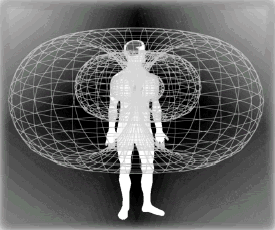
PEMF therapy works by influencing cellular activity through electromagnetic frequencies that match your body’s natural electrical patterns. Every cell in your body maintains a specific electrical charge, with healthy cells operating at approximately -70 millivolts. Injured or inflamed cells drop to -50 millivolts or less, significantly reducing their ability to function and heal. PEMF therapy restores proper cellular voltage, reactivating the natural repair mechanisms that pain and inflammation have suppressed.
The electromagnetic pulses also improve circulation to damaged tissues, a crucial factor in back pain recovery. Enhanced blood flow delivers oxygen and nutrients while removing inflammatory waste products and pain-causing substances. The technology creates a cascade of positive effects: reduced inflammation, accelerated tissue regeneration, and normalized nerve function. Unlike medications that force chemical changes, PEMF therapy simply provides the energetic environment your cells need to heal themselves.
“The most promising aspect of PEMF therapy is that it doesn’t just temporarily block pain signals—it actually creates the conditions necessary for true healing to occur at the cellular level.” – Dr. William Pawluk, PEMF Therapy Expert
Our Favorite PEMF Therapy Device using Frequency Specific Microcurrent
A “ready-to-go” pocket sized therapy device, with 59 core protocols all preloaded
Check out The Vibe by Resona Health
The Science Behind PEMF’s Pain-Relieving Power
The scientific evidence supporting PEMF for back pain is compelling and growing. Research published in the Journal of International Medical Research demonstrated that PEMF therapy reduced chronic lower back pain by 40.2% compared to just 18.6% in the placebo group. More impressively, functional disability scores improved by 42% in the PEMF group, allowing patients to return to normal activities they had previously abandoned. These benefits persisted during follow-up evaluations, suggesting PEMF creates lasting relief rather than temporary masking of symptoms.
2. Simple Stretches That Won’t Hurt Your Back
The right stretches can complement your PEMF therapy by maintaining mobility and releasing tension without aggravating your condition. The gentle cat-cow pose performed on hands and knees allows controlled spinal movement with minimal pressure. Simply alternate between arching and rounding your back while breathing deeply for 1-2 minutes daily to maintain spinal mobility.
Another safe option is the lying knee-to-chest stretch, which decompresses your lower spine without straining injured tissues. While lying on your back, gently pull one knee toward your chest and hold for 30 seconds before switching legs. The key is gentle, pain-free movement that supports rather than overrides your PEMF therapy benefits.
3. Proper Sleep Positions That Prevent Morning Pain
Your sleep position dramatically impacts back pain recovery, particularly during PEMF therapy. Side sleeping with a pillow between your knees maintains proper spinal alignment by preventing your top leg from pulling your pelvis out of position. This simple adjustment reduces nocturnal strain on irritated tissues, allowing your PEMF therapy to work uninterrupted through the night.
Back sleepers should place a pillow under their knees to maintain the natural curve of the lumbar spine and reduce pressure on the sacroiliac joints. This position distributes body weight evenly and minimizes compression on sensitive spinal structures. Stomach sleeping should be avoided entirely as it forces neck rotation and increases lumbar lordosis, potentially undermining your PEMF treatment progress.
Mattress selection is equally important, with medium-firm options providing the best balance of support and comfort for most back pain sufferers. Your mattress should allow your spine to maintain its natural curves while providing enough support to prevent sagging at heavier points like the pelvis. When combined with properly positioned PEMF therapy before sleep, these positioning strategies can dramatically reduce morning pain and stiffness.
“The positions we maintain for 6-8 hours during sleep have profound effects on tissue healing. Optimal positioning during sleep essentially provides a lengthy treatment session that complements daytime PEMF therapy.” – Dr. James Giordano, Neurology Professor, Georgetown University
4. Magnesium Supplementation For Enhanced Effects
Magnesium plays a crucial role in over 300 enzymatic reactions in your body, including many involved in pain perception and muscle function. Research shows that magnesium deficiency increases pain sensitivity and muscle tension – two factors that can diminish PEMF therapy effectiveness. Supplementing with 300-400mg of magnesium glycinate or malate daily enhances muscle relaxation and nerve function, creating an internal environment where PEMF therapy can work more efficiently. Additionally, magnesium helps regulate calcium channels involved in pain signaling, potentially amplifying the pain-relieving effects of your PEMF treatments when used consistently for at least 2-3 weeks.
5. Stress Reduction Techniques That Double Your Relief
Chronic stress triggers inflammatory responses that directly counteract PEMF therapy benefits. When your body remains in “fight-or-flight” mode, it releases cortisol and other stress hormones that increase pain sensitivity and slow tissue healing. Implementing just 10 minutes of diaphragmatic breathing before PEMF sessions can significantly enhance results by activating your parasympathetic nervous system’s “rest and repair” mode.
Progressive muscle relaxation pairs particularly well with PEMF therapy, creating a synergistic effect. This technique involves systematically tensing and releasing muscle groups while your PEMF device delivers healing frequencies. The conscious relaxation amplifies electromagnetic field penetration into tissues by reducing physical resistance and increasing blood flow to targeted areas. Patients who combine these approaches consistently report up to twice the pain relief compared to using either strategy alone.
Start Your Pain-Free Life Today
Living with lower back pain isn’t just about enduring physical discomfort—it’s about missing out on life’s precious moments. Whether it’s playing with your children, enjoying a favorite hobby, or simply having the energy to fully engage with your loved ones, back pain steals these experiences day by day. With FSM PEMF therapy, you’re not just treating symptoms; you’re addressing the root causes of your pain to reclaim the active, fulfilling life you deserve.
The journey to lasting relief begins with a single step: choosing a treatment approach that works with your body instead of against it. While medications mask symptoms and surgeries alter structures, PEMF therapy respects your body’s innate healing wisdom by providing the precise electromagnetic environment your cells need to repair and regenerate. This fundamental difference explains why so many patients find lasting relief through PEMF when other treatments have failed.
Frequently Asked Questions
As you consider incorporating FSM PEMF therapy into your back pain recovery plan, you likely have questions about what to expect. These answers to common questions can help you make an informed decision about this promising approach.
How quickly can I expect results with FSM PEMF therapy?
Most patients report noticeable improvement within 3-5 sessions, though your timeline depends on your specific condition and its severity. Acute lower back pain typically responds more quickly, sometimes with significant relief after the first session. Chronic conditions that have persisted for months or years generally require 8-12 sessions before maximum benefits emerge, as cellular regeneration and neural pathway normalization take time to establish.
The key to success is consistency. Using your device as recommended—typically 20-30 minutes, 1-2 times daily—creates cumulative healing effects that build with each session. Many users report a pattern of gradual improvement: first noticing reduced pain intensity, then experiencing longer pain-free periods, and finally regaining normal function. Your practitioner can provide personalized expectations based on your specific diagnosis and health history.
Is PEMF therapy safe to use with other treatments I’m already trying?
PEMF therapy works exceptionally well as part of an integrated approach and rarely conflicts with other treatments. Unlike medications that can interact negatively with each other, PEMF simply provides electromagnetic information that supports your body’s natural functions. Many practitioners actually recommend combining PEMF with appropriate physical therapy, chiropractic care, or acupuncture to enhance overall outcomes.
If you’re taking medications for back pain or other conditions, you can safely continue these while beginning PEMF therapy. However, many patients find they naturally reduce their medication dosages over time as PEMF benefits accumulate. Always consult with your healthcare provider before adjusting any prescribed medications, and inform all your practitioners about the complete range of treatments you’re receiving for optimal coordination of care.
Can I use FSM PEMF devices if I have metal implants in my back?
Modern PEMF devices are generally safe with metal implants, including spinal fusion hardware, artificial joints, and dental work. Unlike older electromagnetic technologies that could potentially heat metal implants, today’s PEMF therapy uses low-intensity fields that don’t generate significant heat or cause discomfort. In fact, many orthopedic surgeons now recommend PEMF therapy to enhance healing after surgical implantation of metal hardware, as the electromagnetic pulses can improve integration of the implants with surrounding tissues and reduce post-surgical inflammation.
How much do quality FSM PEMF devices cost and are they covered by insurance?
Home-use FSM PEMF devices range from $299 to $3,000 depending on their features, power output, and programmability. Professional-grade devices used in clinical settings typically cost $5,000-$30,000. While this represents a significant investment, many users find the cost comparable to or less than continued pain management through medications, injections, and ongoing conventional treatments over time.
Insurance coverage for PEMF therapy continues to expand as evidence mounts for its effectiveness. Some major insurers now cover treatments provided in clinical settings under specific diagnosis codes, particularly for conditions that haven’t responded to conventional approaches. Medicare coverage remains limited but is gradually expanding for certain applications.
Many patients initially receive treatments at a practitioner’s office to verify effectiveness before investing in a home unit. Others explore rental options or payment plans to make the technology more accessible. When calculating costs, consider the long-term savings from reduced medication needs, fewer doctor visits, and improved productivity that often result from successful PEMF therapy.
What’s the difference between FSM PEMF and regular TENS units?
While both technologies involve electrical stimulation, they work through entirely different mechanisms. TENS (Transcutaneous Electrical Nerve Stimulation) works primarily by overwhelming nerve pathways to block pain signals from reaching your brain—essentially creating a temporary distraction from pain. The electricity in TENS directly stimulates nerve fibers through electrodes placed on your skin, providing relief only while the unit is actively running.
FSM PEMF therapy, by contrast, uses electromagnetic fields that penetrate deep into tissues without direct electrical contact. Rather than simply blocking pain signals, PEMF therapy addresses the underlying cellular dysfunction causing pain by restoring proper electromagnetic balance to damaged cells. This facilitates actual healing by improving cellular metabolism, reducing inflammation, and normalizing tissue function at the fundamental level.
Another crucial difference is longevity of results. TENS typically provides relief only during active use, with benefits fading quickly after the device is turned off. FSM PEMF therapy creates cumulative healing effects that continue developing between sessions, leading to progressively longer periods of relief and eventually addressing the root causes of pain rather than just masking symptoms.
For lower back pain specifically, FSM PEMF offers significant advantages through its ability to penetrate deeper tissues like intervertebral discs, facet joints, and deep stabilizing muscles that TENS cannot effectively reach. The frequency-specific aspect allows precise targeting of specific tissues and pain conditions, making FSM PEMF a more sophisticated and potentially more effective option for complex or persistent back pain conditions.
Frequency Specific Microcurrent (FSM) therapy is an innovative approach to pain management and healing. It utilizes low-level electrical currents to target specific frequencies within the body, promoting natural healing processes. This therapy has shown promising results in treating various conditions, including chronic pain, inflammation, and injuries. For those interested in exploring this method further, FSM therapy offers a non-invasive and drug-free alternative to traditional pain relief methods.


Leave a Reply